
Roof Rat Removal in West Palm Beach, FL
The palm rat in your attic came down a mango branch or a utility line and found a gap under the tile. Removal here means trapping it out and closing the roofline behind it. Licensed contractors handle every job we route.
What roof rat removal in West Palm Beach includes
Roof rat removal in West Palm Beach is a trapping program run alongside sealing, because a roof rat that is trapped out of an attic with the eave still open is replaced from the yard within days. The contractor we route starts at the roofline, works out how the animals are getting in, sets traps where the runways are, and closes the openings so the attic stays empty once the traps stop catching.
The job on a typical single-family house breaks into pieces that should each appear on the quote as a separate line. The office on Clematis Street takes the call, we work out what has happened at the property, and the contractor confirms the scope at the free inspection.
- A roofline, soffit, vent and attic inspection at no charge, described on the rodent inspection page
- Snap traps set inside the attic along the top plates, joists and line-set runs where droppings and rub marks show traffic
- Exterior traps or stations only where the contractor judges them useful and legal for the site
- Return visits to clear traps, reset and read the activity until catches stop
- Sealing of every opening a quarter inch or larger, priced as its own line and covered in full under rodent exclusion
- A written note of what was caught, where, and which openings were closed
Attic sanitizing and insulation work is separate, and the attic cleanup page explains when it is worth doing.

Estimate what this job costs in West Palm Beach
Six questions against the published bands further down the page. The spread is wide on purpose: the roofline decides most of it and nobody can price an eave from a form.
Bands come from HomeGuide 2026 national cost guides, with Angi Tampa figures as the Florida reference. Every number is confirmed at the free inspection.
Signs of roof rats in a West Palm Beach attic
The first sign of roof rats is almost always sound after dark: scratching, a quick run across the ceiling, gnawing at a truss, usually between an hour after sunset and the small hours. Roof rats are night feeders and they move along the highest routes they can find, so the noise is overhead and travels along the length of the house.
Droppings confirm it. UF/IFAS describes roof rat droppings as a quarter to half an inch long, shaped like a small banana with pointed ends, and they collect where the animals run and feed: along the attic top plate, on the garage shelf, behind the water heater, on a soffit ledge. Other evidence stacks up from there.
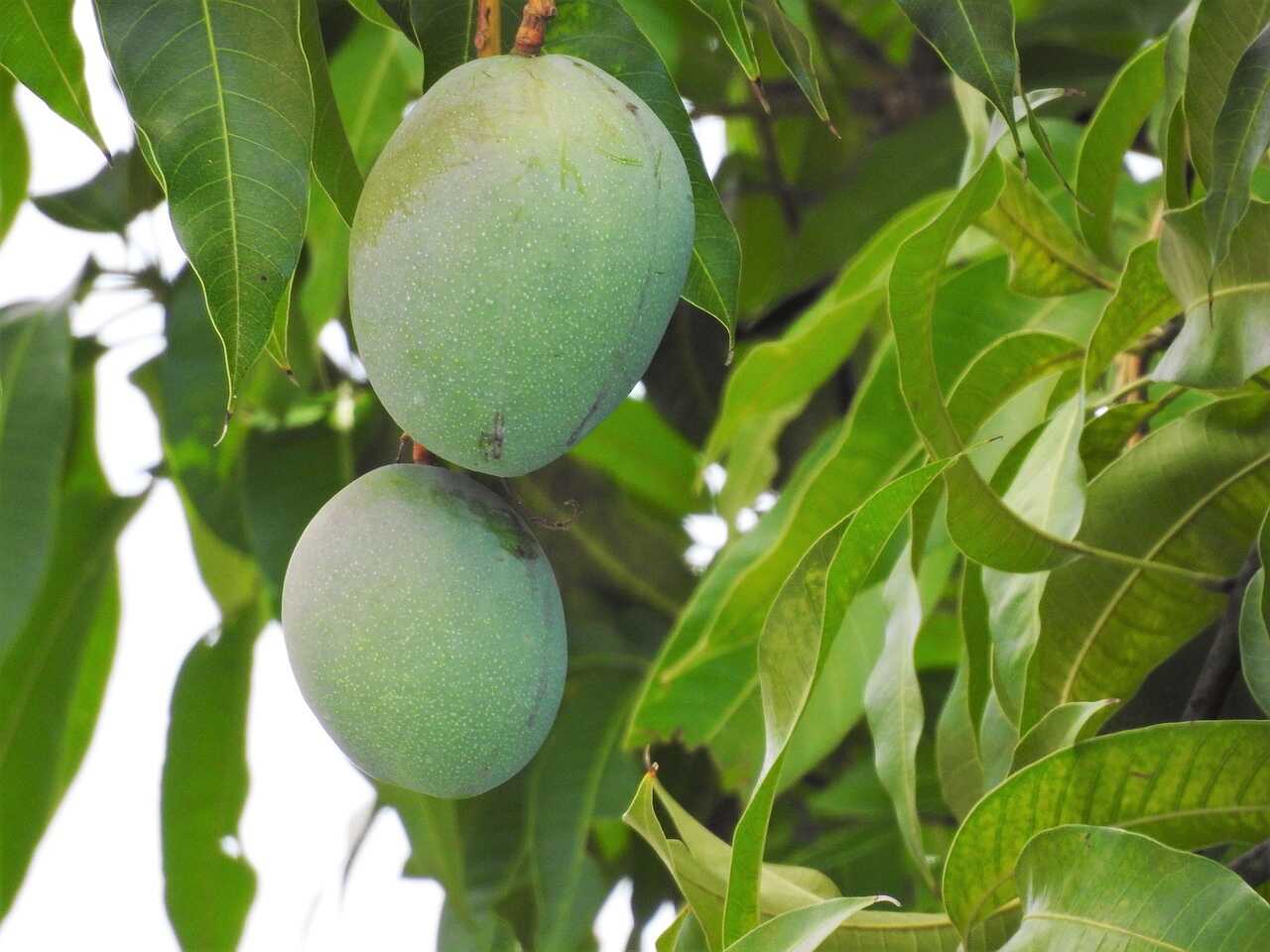
- Hollowed mangoes, oranges or avocados under a yard tree, eaten from the top while still hanging
- Greasy rub marks along a fascia board, a pipe or the AC line set where a rat squeezes through the same gap each night
- Chewed insulation on a line set, a pool pump wire or an attic cable
- Tunnels and flattened runs through blown-in insulation, and a musky odor at the attic hatch
- A cat or dog fixed on one ceiling corner or one section of soffit
People who call have often been awake for weeks and have been told by someone that they are overreacting. The sound is real, the animal is real, and the fix is a known sequence of work.
Roof rat, Norway rat or house mouse: which one is in the house
In West Palm Beach the animal in the attic is a roof rat in the large majority of cases, and the species matters because it decides where the traps go and where the sealing happens. UF/IFAS calls the roof rat Florida's most abundant and significant rodent pest, and locals know it as the palm rat, citrus rat or fruit rat.
Roof rat
The roof rat is a climber that lives above ground. UF/IFAS notes that it travels along branches, wires and palm trunks and can range roughly 150 yards from its den, which is why a mango tree three houses down can feed an attic on your street. It nests in attics, soffits, palm crowns and dense hedges. A sleek body, a tail longer than the body, and large ears are the field marks.
Norway rat
The Norway rat works at ground level and is a distant second here. It burrows under slabs, seawalls, dumpster pads and sheds, and turns up around older waterfront lots and commercial yards more than in a gated subdivision. Heavier body, blunt nose, tail shorter than the body.
House mouse
The house mouse is a minority call in Palm Beach County and nothing about it is local. If the sounds are faint and the droppings are much smaller than a grain of rice, the contractor will say so at the inspection and adjust the trap size.
Trapping, rodenticide and sealing compared
Trapping plus sealing is the method the contractors we route use for a roof rat in an occupied house, and rodenticide is the option they reach for last, for reasons that are practical before they are ethical. A rat that dies in a wall cavity has to be found and cut out, and a rat trapped in the attic is carried out in a bag.
| Method | What it does | Where it falls short |
|---|---|---|
| Snap trapping | Kills the animal in place, gives a body count, shows exactly where the traffic is | Roof rats are wary of new objects; UF/IFAS advises leaving traps a week or more before judging them |
| Anticoagulant bait | Kills over time after repeated feeding | EPA says most rodenticides are anticoagulants and death comes 4 days to 2 weeks after feeding starts, often somewhere inaccessible; second-generation products were pulled from consumer sale |
| Sealing only | Closes the roofline for good | Traps anything already inside, which then chews a new exit or dies in the ceiling |
| Trapping plus sealing | Empties the attic and keeps it empty | Costs more up front than a bait station and takes a couple of visits |
UF/IFAS makes the point directly: trapping reduces the risk of a poisoned rat dying inside the building. The story that poison makes a rat thirsty so it goes outside to die has no basis, and a contractor who leads with it is one to pass on.
How long does it take to get rid of rats?
A few roof rats in a sealed attic are usually trapped out in two to three days of active catching, and a long-running infestation with a family established in the insulation can take one to two months, which are HomeGuide's published figures for the two ends of the range. The single biggest factor is whether the roofline is closed before or during trapping.
West Palm Beach jobs run long when the eave is left open. Fruit trees keep the outdoor population high in every month, so an unsealed tile eave gets a fresh arrival as fast as the traps clear one. They run short when the bird stop and vents are done on the first visit and the traps are then only clearing what is already inside.
Timeline signals the contractor should give you at the start: how many trap checks are included, what a normal fall-off in catches looks like, and when the attic is declared clear. If a company has been returning for four months with no change, the roofline has never been sealed.
What is the cheapest way to get rid of rats?
The cheapest way to get rid of roof rats that stays cheap is to seal the roofline once and trap what is inside, because every other approach has a repeat bill attached. A pack of snap traps and a tube of hardware cloth is the least money a homeowner can spend, and it works at ground level on a garage door seal or a dryer vent.
Where DIY fails here is the roof. The gap under the first course of barrel tile runs the whole length of an eave, the soffit returns on a two-story house need a ladder and a helper, and expanding foam sprayed into a tile eave blocks the roof ventilation and gets chewed back open. Bait stations look cheap until the first rat dies behind the kitchen wall in August, and dead rodent removal is priced at $150 to $500 by HomeGuide.
The real comparison is one paid job with sealing against an open-ended monthly plan. Ask for the sealing quoted as its own line and compare that figure with twelve months of a bait contract.
What roof rat removal costs in West Palm Beach
Trapping and removal for a West Palm Beach house typically lands between $250 and $1,200 as a standalone line, and the sealing that makes it stick adds its own band. Both figures are national bands from HomeGuide 2026, and both are confirmed at the free inspection, which is where the roofline gets measured.
| Line item | Typical band | Source |
|---|---|---|
| Inspection | Free with service ($0 to $175 standalone) | HomeGuide 2026 |
| Trapping and removal | $250 to $1,200 | HomeGuide 2026 |
| Removal per visit, Florida proxy | $441 to $1,716 typical, $1,078 average | Angi, Tampa figures |
| Full-home exclusion sealing | $500 to $2,500 | HomeGuide 2026 |
| Attic cleanup and sanitizing | $600 to $2,500 | HomeGuide 2026 |
What moves a job toward the top of the band on a West Palm Beach house: two stories, a barrel-tile roof with a long open eave, a heavy population that needs several trap checks, and insulation that has to come out. What holds it down: a single-story shingle ranch with two or three obvious openings and a fresh, small problem. Angi publishes no Palm Beach County figures, so the Florida line above is its Tampa data and is labeled that way.
Tile roofs, fruit trees and HOA rules: roof rats in West Palm Beach
Roof rat removal in West Palm Beach is shaped by three local facts: the roofs are tile, the yards grow fruit all year, and a large share of the houses sit inside an association that has a say over the exterior. Each one changes the job.
Barrel tile and the eave gap
Concrete and clay barrel tile covers most of the 1980s to 2000s stock and nearly all of the gated communities on the west side. Curved tile leaves a quarter- to half-inch void under the first course at every eave, and at the hips and ridges, unless a bird stop or mortar closure was fitted. A roof rat needs a hole about the size of a quarter. The metal bird stop is a code-approved part that closes that void along the whole eave, and the Department of Energy puts bird stopping on its own list of tile-roof measures worth fitting.
Mango, citrus and avocado
Northern copy about a fall rodent season does not apply here. Mango fruits from May through September, citrus from November into March, and avocado through summer and fall, so the yard population never crashes. The two local peaks are the summer heat that drives rats into cooled attics between June and September, and the mild stretch from November to February. Hurricane season overlaps the first peak: wind lifts tile and opens soffit lines, and the CDC recommends rodent control as part of post-flood prevention because of the leptospirosis risk it ties to floods.
Who approves the sealing
Roughly 44 percent of West Palm Beach units are in apartment complexes and high-rises, and the 1990s to 2010s gated communities carry architectural review board rules for anything visible from the street. Trapping inside your own attic needs nobody's permission. A bird stop along the eave or a screen over a gable vent may need an ARB application, and the condo and HOA rodent control page walks through what that looks like.
Licensing
Trapping rats in, on or under a structure for hire needs at minimum an FDACS Limited Wildlife Management Certificate under Chapter 482, and applying rodenticide for hire needs a licensed pest control business with a certified operator. Every contractor we route holds the FDACS credential the job needs. FWC does not license rat trappers and no FWC permit is involved.
What to check on the contractor before the traps go in
Four things on paper before work starts tell you whether a roof rat job will end: the FDACS license, an itemized quote, the number of follow-up visits included, and the warranty terms on any sealing. The contractor we route expects to be asked for all four.
- Confirm the license through the FDACS lookup and ask which category it is, since trapping and rodenticide sit under different credentials
- Ask for trapping, sealing, cleanup and any ongoing service as separate lines, so a bundled number can be compared with another bid
- Ask how many trap checks are included and what happens if catches continue past them
- Ask whether the sealing carries a warranty, for how long, what it covers, and whether it renews or ends
- Ask whether the same company does the sealing or subcontracts it
- Ask for the closure list at the end, in writing, with the material used at each opening
Anyone who wants a second opinion on a quote in hand can send it through the contact page and the office will read it against the bands above.
Services that run alongside this one
A West Palm Beach rodent job is rarely one service on its own; these are the steps that usually sit before or after this one.
- Rodent Exclusion: Closing the tile eave with a metal bird stop, then every vent, soffit return and line-set sleeve, to the quarter-inch standard.
- Rodent Inspection: A free walk of the eave course, the attic and the yard trees that sets the order of the job and produces the written quote.
- Attic Cleanup and Decontamination: Droppings, nests and urine-soaked insulation bagged out of a baking attic, and the surfaces beneath them treated.
The about page explains how the line works and which credential to check, and the phone is answered at any hour.
The method that actually ends it
Why trapping alone rarely finishes a rat problem.
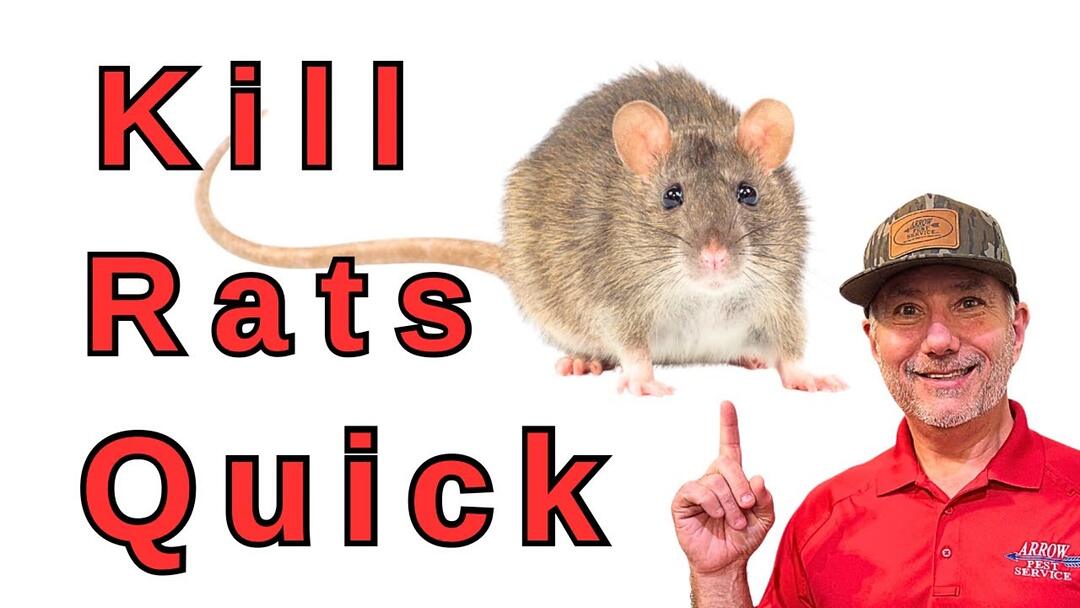
Video: Most Effective Rat Control Method Nobody Talks About, from Arrow Pest Service.
How a roof rat removal job runs
The sequence is fixed: find the openings, close them, trap what is inside, verify the attic is quiet.
-
Roofline and attic inspection
The contractor walks the eave line, soffits, vents and line sets from a ladder, then goes into the attic to read droppings, runs and nesting. The findings come back in writing at no charge.
-
Seal the roofline
Every opening a quarter inch or larger is closed with hardware cloth, sheet metal or a manufactured bird stop on the first working visit, so the traps are clearing a closed attic.
-
Trap along the runways
Snap traps go on the top plates, joists and line-set runs where the traffic is, and stay in place at least a week because roof rats avoid new objects.
-
Check, reset and clear
Return visits remove catches and reset until two checks in a row come up empty. The homeowner gets a count each time.
-
Verify and hand over
A final attic look confirms no fresh droppings or new gnawing, and the closure list and trap record are handed over for the house papers.
What to expect
On the day, this is what a homeowner sees.
- A ladder on the eave and someone in the attic within the first hour
- Photographs of each opening before and after it is closed
- Traps placed out of reach of pets and children
- A trap count reported at every return visit
- A written closure list at the end
Why West Palm Beach homeowners book roof rat removal through this office
Trapping and sealing are quoted as separate lines
A single bundled number tells a homeowner nothing about whether it is fair, and the Reddit threads on rodent work are full of people asking exactly that. Every job we route comes with trapping, sealing and any cleanup priced separately, so the sealing figure can be compared with another bid and the trapping figure can be checked against the published bands. Nobody has to guess which part of the bill they are paying for.
HomeGuide 2026: trapping and removal $250 to $1,200; full-home exclusion $500 to $2,500
The roof rat is handled as a climber
A ground-level trap plan written for a Norway rat misses the palm rat entirely. The contractors we route start on the roof because that is where the animal arrives: along a mango limb, a fence top, a cable drop or a palm trunk, and then under the first course of tile. The traps go where the runs are in the attic and the sealing goes where the daylight shows at the eave.
UF/IFAS: roof rats travel along branches, wires and palm trunks and can range about 150 yards from the den
Poison stays out of an occupied attic
Bait is the fast quote and the slow problem. An anticoagulant takes days to work and the rat picks its own place to die, which in August in a West Palm Beach attic means an odor that fills the house and a wall that has to be opened. Snap trapping gives a body in a bag and a count, and it is the default on every residential job we route. Rodenticide is reserved for sites where the contractor can justify it.
EPA: most rodenticides are anticoagulants and death typically follows 4 days to 2 weeks after feeding begins
What Reddit Says About Roof Rat Removal in West Palm Beach
Homeowners on r/pestcontrol and r/HomeImprovement vet a rat company by collecting two or three bids for the same scope and reading them side by side, because a single quote is treated as impossible to judge. They ask whether the company does the sealing itself or only sets traps, and they prefer a local operator over a national brand often enough that it reads as a rule.
The red flags they warn each other about are consistent. A plan that is bait stations and nothing else. The line that poison makes rats thirsty so they leave to die outside, which the threads call out as a myth. A monthly monitoring contract folded into the removal price without being named. And a company that keeps coming back for months with the noise unchanged, which one thread sums up as harvesting rodents in traps.
The questions they tell newcomers to ask: what exactly is included and what is a separate line item, how many follow-up visits come with the price, whether the sealing is warrantied and whether that warranty renews, and what happens if the rats return. Several threads add a Florida note that the palm fronds and branches touching the roof are the highway in.
Every one of those answers is on the itemized quote the contractor we route hands over at the free inspection.
A typical roof rat call from a west-side gated community
The situation: A 1990s block-and-stucco house with a concrete barrel-tile roof in one of the gated communities off the west side of the city. A mature mango tree in the back yard drops fruit from May on, and by July the owners are hearing running along the ceiling of the master bedroom around midnight. They have found half-eaten mangoes on the pool deck and a line of banana-shaped droppings on the garage shelving. The HOA has an architectural review board and the owners are unsure whether anything on the roof needs its sign-off.
What gets done: The contractor we route walks the eave from a ladder and finds the bird stop missing along the rear slope where the tile meets the fascia, plus an open soffit return at the garage corner and a chewed gap around the pool pump conduit. The attic shows runs through the blown-in insulation toward the bedroom end. The quote separates trapping, sealing and an optional insulation top-up. Because the bird stop is a factory metal part matched to the tile profile and sits under the first course, the contractor writes a one-paragraph description and a product sheet for the owners to file with the ARB as a like-for-like repair, and the board approves it by email. Sealing goes in on the first visit, traps go on the top plates and along the line set, and the mango limbs over the roof are cut back on the contractor's advice.
How it turns out: Six rats come out over ten days, the third check is empty, and the bedroom is silent by the second week. The owners get a closure list naming the bird stop, the mesh at the soffit return and the collar at the conduit, and they keep it with the ARB approval. The attic insulation is reviewed and left in place because the contamination is limited to one run.
Book the free inspection for this service
Describe what you hear and where, and a dispatcher lines up the nearest FDACS-licensed contractor. The phone is answered at every hour and the inspection carries no charge.
Roof rat removal questions from West Palm Beach homeowners
These are the questions that come up on the phone and in the threads, answered for a tile-roof house in Palm Beach County.
Trapping and sealing
Do I really need the chew-ins repaired now, or can I get away with trapping?
The openings need closing now, because trapping alone in West Palm Beach is a treadmill. The yard population is fed by fruit in every month, and a roof rat that is trapped out of an open attic is replaced by another that follows the same rub mark under the same tile. Repairing the chewed fascia and fitting the bird stop on the first visit means the traps are clearing a closed space and the job ends. The sealing is quoted as its own line, so you can see what it costs against the trapping.
Is it safe to do exclusion before trapping?
Sealing first is the professional sequence, with one condition: the traps go in the same day so whatever is inside has a way to die that is not the inside of a wall. A rat sealed into an attic with no traps will chew a new exit through a soffit or die in the insulation. The contractor we route sets the traps on the sealing visit, leaves them a week or more because roof rats distrust new objects, and returns to check them. Done that way, exclusion before trapping is the safe order.
Will poison make the rats go outside to die?
No, and the claim is a warning sign about whoever makes it. An anticoagulant rat dies wherever it happens to be when the bleeding catches up, which the EPA puts at four days to two weeks after it starts feeding. Inside a West Palm Beach attic in summer that means a carcass in a wall or above a ceiling, and a smell that takes weeks to clear. UF/IFAS notes that trapping reduces the risk of a poisoned rat dying inside a building, which is the reason snap traps are the default on residential jobs we route.
Cost and follow-up
How many follow-up visits should be included?
Enough to reach two empty trap checks in a row, and the number should be written on the quote. A small problem on a sealed attic usually takes two or three return visits over a week or two. A large population can need more, and HomeGuide puts a severe infestation at one to two months of trapping. Ask what happens if catches continue past the included visits and whether each extra visit carries a charge. A contractor who cannot say how many visits are included has not planned the job.
Can rats in the attic cause a fire?
Rats chew wiring, and UF/IFAS states that this can potentially start fires. There is no reliable figure for how often it happens, and any company quoting a percentage is repeating something that has no primary source. The practical point stands on its own: chewed insulation on an attic cable, a line-set wire or a pool pump lead is a repair, and the contractor we route notes it on the inspection findings so an electrician can look at it. Getting the animals out and the roofline closed is what stops the chewing.
Does the HOA have to approve trapping in my own attic?
Trapping inside your attic is your business and needs no association approval. Exterior sealing is where the rules start: a bird stop along the eave or a screen on a gable vent is visible work on the outside of the building, and in most of the gated communities on the west side the architectural review board expects an application, even for a like-for-like repair. The contractor we route can describe the part and the finish in writing for the application. In a condo tower the exterior belongs to the association and the manager has to authorize the work.
Still have a question? Call (561) 589-3578 and ask.

Book a free roof rat inspection in West Palm Beach
Call (561) 589-3578 and describe what you are hearing and where. Calls reach someone at any hour, and nothing is charged for the inspection.