Rodent Removal in Downtown West Palm Beach
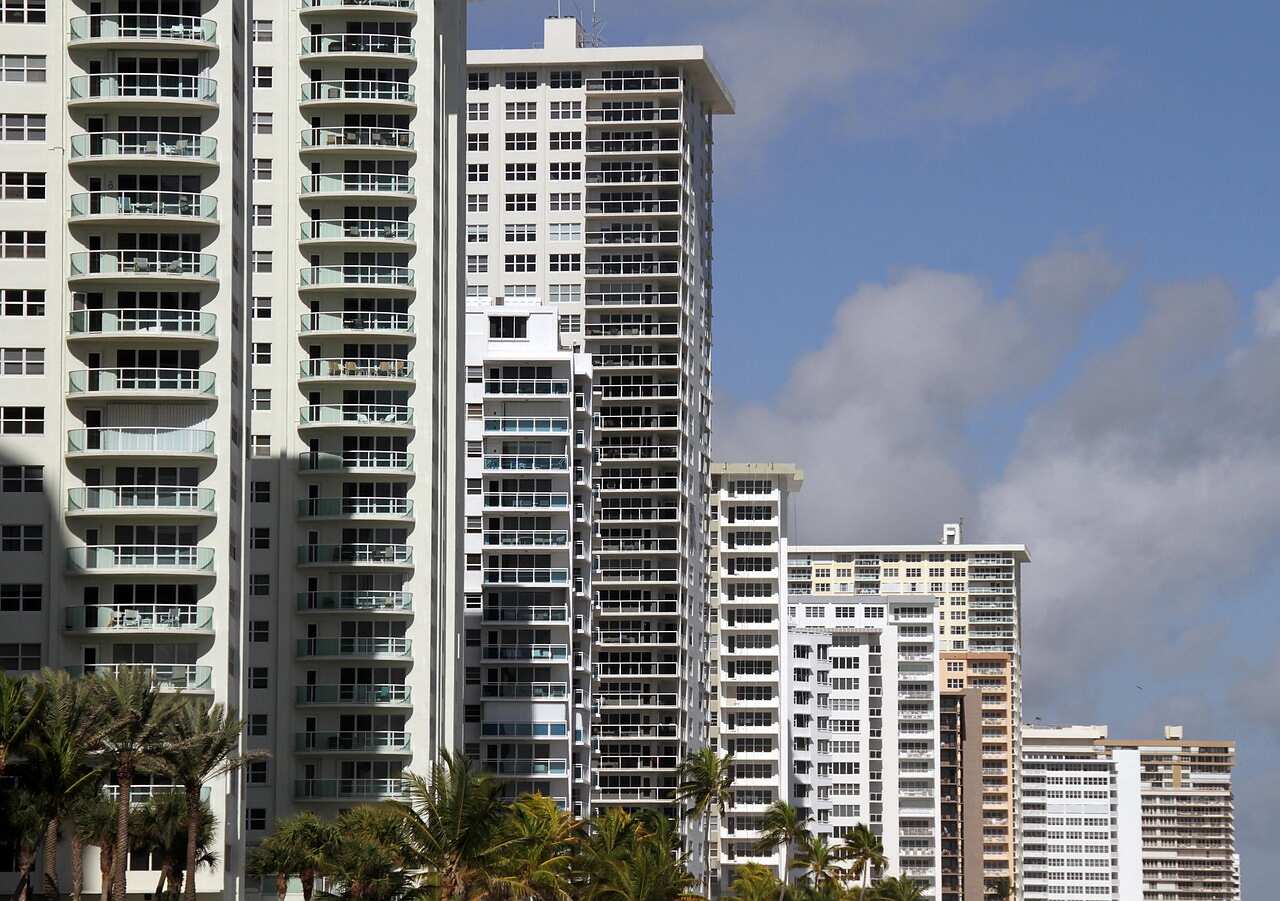
Downtown has almost no attics. The rodent routes here are vertical chases, trash rooms, loading bays and garage podiums, and most of them belong to a building rather than to a resident.
Why a downtown building is a different problem from a house
A tower or a mid-rise has no attic, no eave course and no soffit, so the familiar roofline work does not apply and the routes are internal and vertical instead.
The structures that matter are plumbing and electrical risers running floor to floor, the chases around them, waste and recycling rooms and their chutes, loading bays and service corridors, parking podiums with landscaped terraces above them, and the gaps where a riser passes through a floor slab. An animal that gets into a service level can reach a high floor without ever going outside. This is why activity reported in an upper unit almost always traces back to a service area or a garage level rather than to the roof.
The building stock reflects it. Downtown's median construction year is around 1992 and a wave of condo towers has gone up since about 2015, alongside older mid-rise buildings, converted commercial space and the historic low-rise along Clematis Street. Each type has its own route: a new tower usually fails at the trash room, the loading bay or the podium planting, while an older Clematis Street building fails at a rear door, a utility sleeve or a false ceiling that runs through into the next tenancy.
Who controls the space the rodents are using
In a downtown building nearly every route belongs to the association or to building management, which makes documentation the first piece of real work.
Interior walls, cabinets and the penetrations inside a unit are the resident's. Risers, chases, slab penetrations, trash rooms, loading bays, garages, terraces and landscaping are the building's. That split means a resident who calls a pest company and authorizes only unit-side work is paying for half of a solution, and a manager who puts bait stations in the trash room without closing the slab penetrations is paying for the other half indefinitely.
What moves a building is a written request with a photograph and a location for each finding, plus a plain statement of what closing it requires. Management companies act on a specific item far faster than on a report of noise. The detail of that process, including what a board needs to vote on, is covered under condo and HOA rodent control.
Unit-side work still starts immediately: sink and laundry chases, dryer vent gaps, air handler closets, and traps in any void the resident can open.
Restaurants, bars and ground-floor retail
The ground floor is where downtown rodent problems start, because that is where the food, the waste and the openings are.
On Clematis Street and along the Dixie Highway corridor the buildings are older, service is from the rear or an alley, and false ceilings often run through into the neighboring tenancy. The findings repeat: a rear door sweep worn at one corner, a disused conduit sleeve above a dish area, a grease interceptor lid that no longer seats, shelving stood against a wall so droppings go unseen, and vegetation grown onto a parapet. In newer podium buildings the equivalent is the loading bay, the trash room and the service corridor.
Commercial work carries documentation requirements a residence does not, since a health inspection asks what has been done as well as what is present. The device map, the visit log and photographs of every closure are the deliverable, and the work is scheduled before opening or after close so nothing is in a guest's line of sight. That is the service described under commercial rodent control.
One species note for the ground floor: Norway rats work at ground level around docks, drains, dumpster surrounds and seawalls, and the downtown waterfront and the port to the north are that habitat. Roof rats are still in the picture above, arriving through the canopy and the planting. The droppings identify which, and that identification decides whether the sealing goes up or down.
What the inspection covers downtown
The inspection follows the route rather than the perimeter, starting at the lowest level with activity and working up.
In a residential building that means the garage, the trash room, the service corridor, the riser chases on the affected stack, and then the unit itself. In a commercial space it means the rear service area, the interior voids, the dry store and the false ceiling, plus the exterior shell at the points a tenant does not usually look at. The findings come back as two lists, one for what you can authorize and one for the building, each item photographed with its location.
Trapping downtown happens in the voids and service areas rather than in occupied rooms, and it runs at least a week because roof rats avoid new objects. Where a previous bait program has been running, the contractor will look for carcass evidence as well, which is the situation handled under dead rodent removal. The path for a resident is a free inspection, then unit-side trapping and sealing, and the contact page has the hours and the office address, which is a few doors along Clematis Street.
What is moving inside the walls
How noise in a wall cavity gets traced.
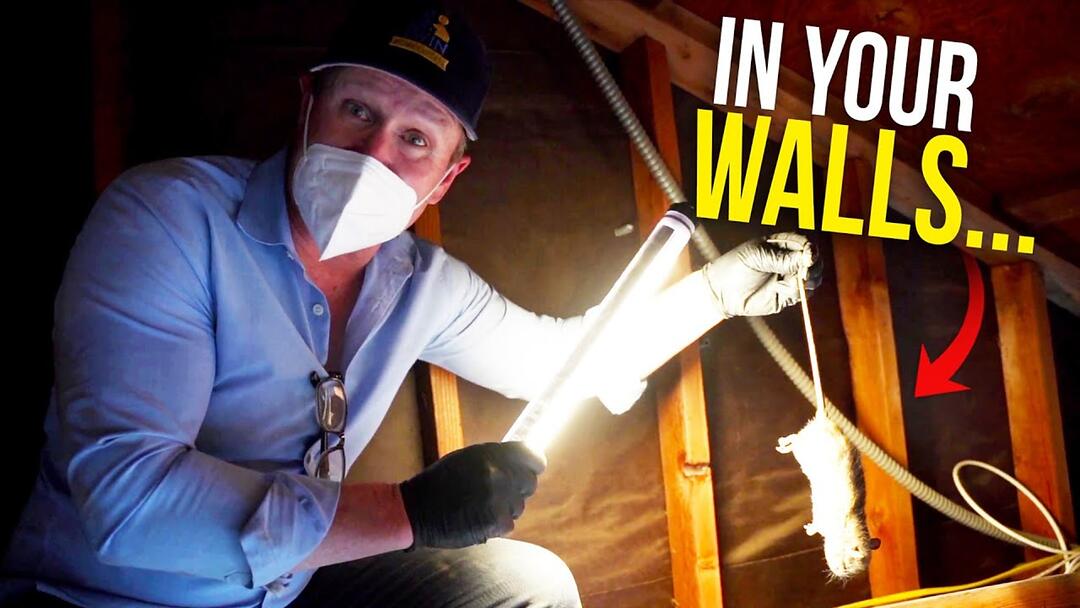
Video: Rodents in your walls? Here's what you do, from Twin Home Experts.
Why downtown buildings use this line
The route gets followed instead of the checklist
There is no eave to seal in a tower, so the work is tracing a riser, a chase, a trash room and a podium terrace back to where the animals are entering the structure. Activity in a tenth-floor unit is a symptom of something at street or garage level, and a report that only describes the unit has not found anything.
Downtown's median construction year is about 1992, with a condo tower wave since roughly 2015, so most buildings have no attic at all
The findings are written for a manager
Each building-side item comes with a photograph, a location and what closing it takes, in a form a property manager can forward and a board can vote on. Without that, a resident is left describing noise to someone who has twenty other emails, and nothing happens for a season.
UF/IFAS: roof rats range about 150 yards from the den, which in a downtown block is several buildings
Commercial ground floors get the documentation they need
A restaurant or retail tenant needs a device map, a dated visit log and photographs of closures as much as it needs the trapping, because an inspection asks for evidence of a program. Visits are scheduled outside trading hours and devices are placed out of sight of guests.
UF/IFAS: a quarter inch opening is the standard, which a worn rear door sweep fails along its whole width
A typical downtown call
The situation: A resident on the eighth floor of a mid-rise condo building a few blocks from the waterfront reports noise in the kitchen wall in the evening and droppings under the sink. The building has no attic, a trash room on each floor feeding a chute, a parking podium with planted terraces, and a management company that has had monthly bait stations in the ground-floor trash room for years.
What gets done: The unit inspection finds the gap around the sink drain chase open into the riser and the dishwasher penetration unsealed, both closed that visit, with a trap set in the cabinet void. The building walk starts at the garage, where a planted terrace drains against an unsealed conduit sleeve, and the ground-floor trash room shows droppings along a wall and a chute door that no longer seals at the bottom. The riser chase on the affected stack has open slab penetrations at three floors. Photographs and locations of all of it go to the manager the same day with a plain list of what each one needs.
How it turns out: The resident's own noise stops within a week once the chase is closed and one animal is caught in the cabinet void. The building items take longer: the chute door seal and the conduit sleeve are done within a month, and the slab penetrations go on the next maintenance cycle with a written quote the board can read. The bait stations stay in the trash room, now alongside closures that cut what is getting in.
A free inspection on your street
The contractor covering this part of West Palm Beach walks the eave course, the attic and the yard trees, then writes an itemized quote. Nothing is owed for the visit.
Downtown questions
What residents, managers and ground-floor tenants ask first.
Buildings and responsibility
How is a rat on the eighth floor even possible?
It walked up inside the building. Plumbing and electrical risers, the chases around them, and open slab penetrations at each floor form a continuous vertical route from a service level to any floor, and trash chutes do the same job with food at the bottom. Nothing had to climb the outside of the building. That is why an inspection starts at the garage and the trash room rather than in the unit, and why the closures that matter are usually several floors below the noise.
My building already pays for monthly pest control. Why is there still a problem?
Because a monitoring program and structural sealing are different things. Bait stations and traps in a trash room catch what comes in; they do not stop it coming in. The items that change the outcome are a chute door that seals, closed slab penetrations at the risers, a loading bay that shuts, sealed conduit sleeves at the podium, and planting kept off the building. Ask the manager what structural work has been done, with photographs, rather than how often a technician visits.
Units and restaurants
What can I seal in my own unit?
More than most residents expect. The chase around sink and dishwasher plumbing, the laundry box penetration, the dryer vent gap at the wall, the air handler closet and its return void, and the cavity around a recessed light where it opens into a shared void. All of those are inside your unit and all of them are larger than the quarter-inch standard when left as a builder finished them. Steel wool with metal over it is the material; foam on its own gets chewed through.
We run a restaurant on Clematis. Can the work happen after close?
Yes, and for food service it normally does. Visits are scheduled before opening or after close, devices are placed out of customer sightlines and away from food-contact surfaces, and each visit leaves a dated record with findings and closures. Put the access window and the key or alarm arrangement in writing, since a missed window is the usual reason a program drifts. The exterior items that belong to the landlord go out as a separate photographed list so the tenant work is never held up.
Still have a question? Call (561) 589-3578 and ask.

Book a free downtown inspection
Someone answers at any hour of the day or night. Tell us the floor, the room and what the building has already tried, and the contractor we route will follow the route and write the findings for your manager.