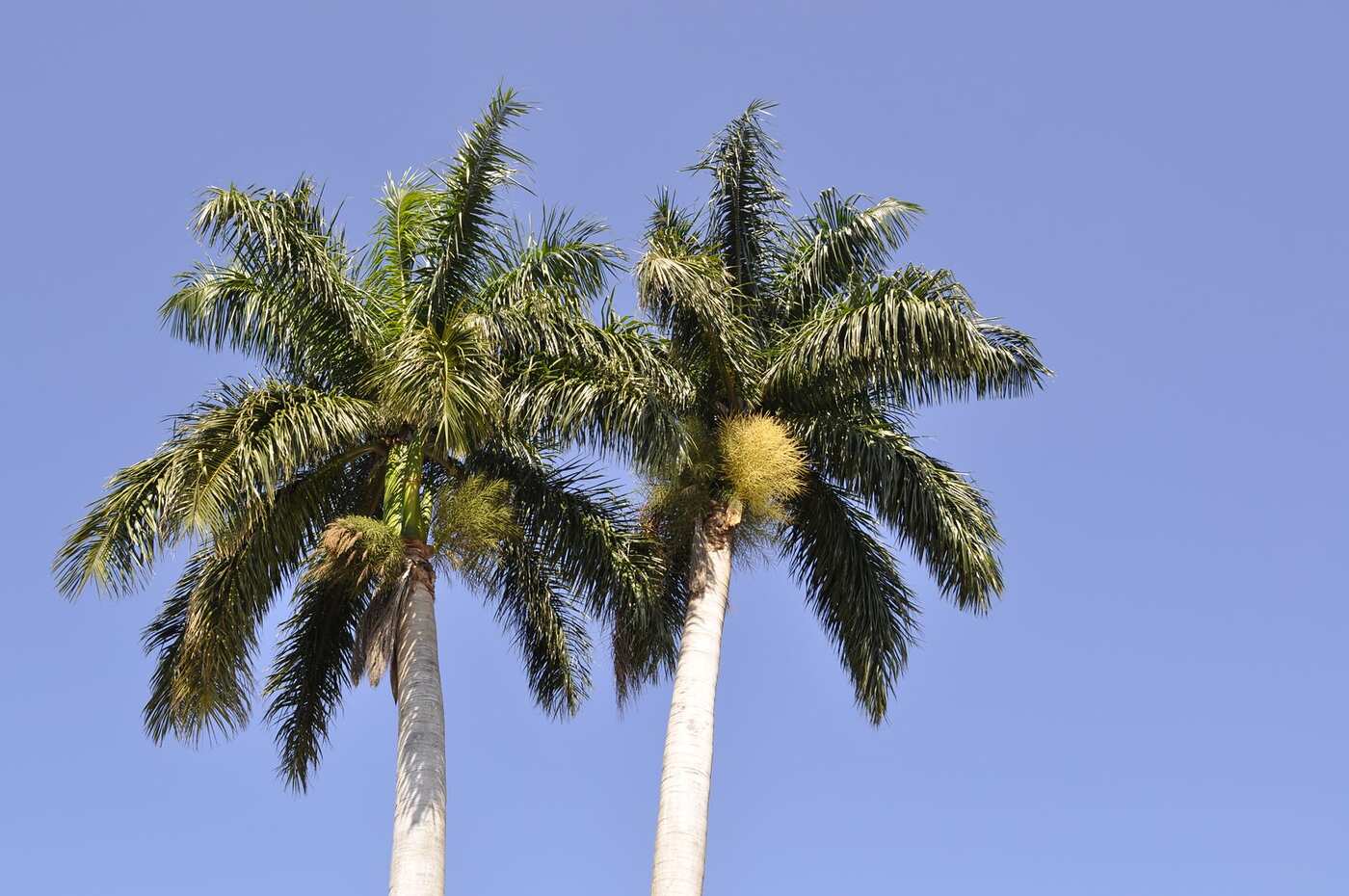
Rodent Removal in Royal Palm Beach, FL
Royal Palm Beach is one of the original western villages, laid out around canals and man-made lakes with decades of tile-roofed subdivision housing. The eave course carries most of the work.
Free Inspection in Royal Palm Beach
The free inspection covers the tile eave and its hips and ridges, the soffits and vents, the attic, the garage, and the lake or canal bank behind the property, recording each opening with a photograph and a location.
The village lies roughly thirteen miles west of downtown West Palm Beach, an easy run out along Okeechobee Boulevard from the Clematis Street office. Calls are taken around the clock and a visit can usually be set within a day or two. Start on the contact page or by phone.
A village built around water management
Royal Palm Beach was laid out in the western part of the county in the late 1950s and built out over the following decades, with a network of canals and man-made lakes running through the neighborhoods.
That layout produces a great deal of bank and waterside edge relative to the number of houses. Canal banks, lake margins, outfall structures and the dense planting along them are ground-level rodent habitat: Norway rats burrow and work there rather than climbing. Roof rats stay the dominant species in the rooflines, arriving through trees, fences and utility lines, so a property backing onto a lake can carry a problem at the slab line and another in the attic with no connection between them.
The inspection therefore covers both elevations of the problem, and the findings identify which species is where before anything is quoted. Roof rat droppings are a quarter to half an inch long, banana shaped with pointed ends. Burrow entrances with worn runs at a bank or a hedge base point at the other species, and the sealing work goes to the slab line rather than the eave.
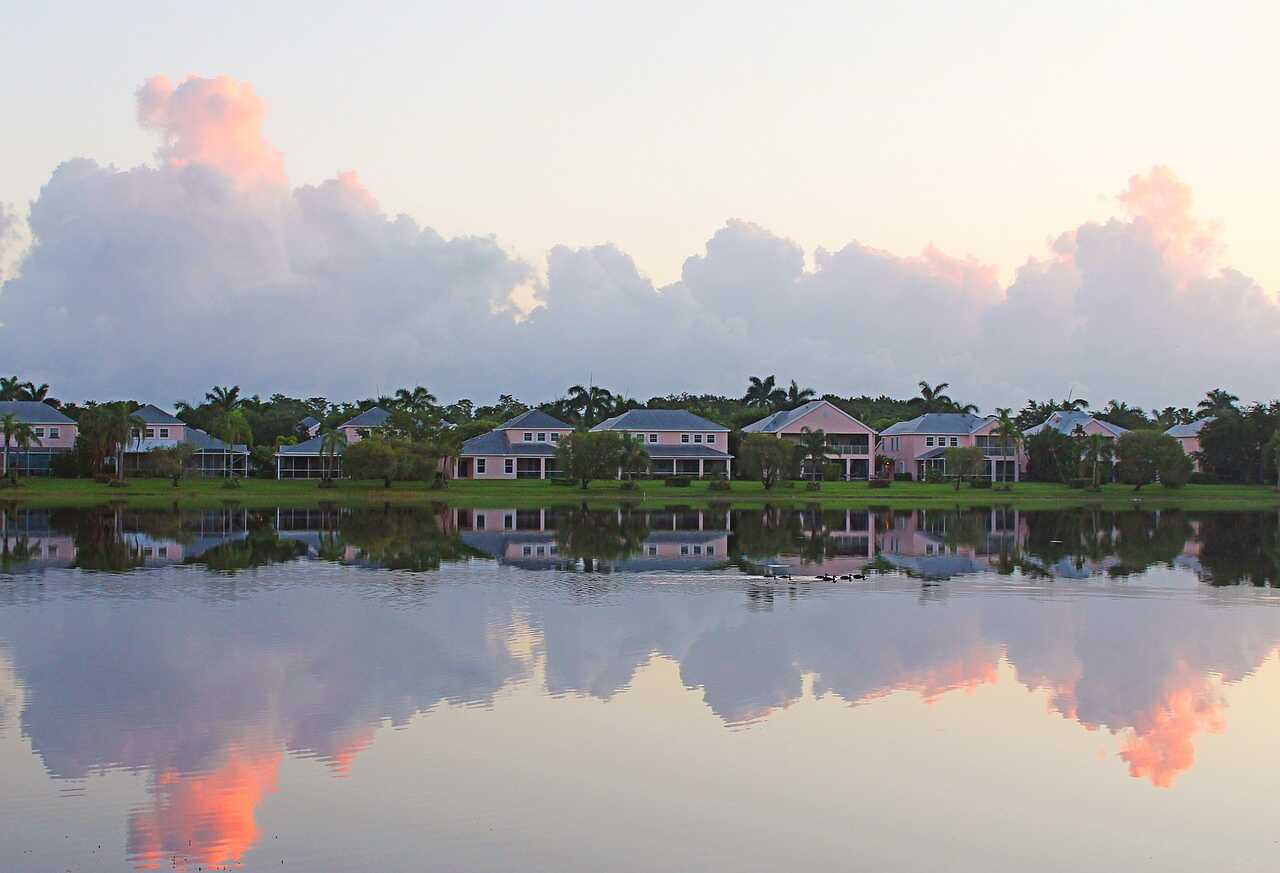
Tile roofs across the subdivision housing
Most of the housing here is block and stucco under barrel or flat concrete tile, built from the 1980s onward, and the tile detail is the dominant finding.
Barrel tile leaves curved openings at the eaves, the hips and the ridges unless a bird stop or a mortar closure is fitted, and those gaps are quarter to half an inch, which is all a roof rat needs. It is common on houses of this era to find the eave course never closed at all, along every elevation, unnoticed from the ground for thirty years. Closing it is the highest-value item on most quotes out here, and the Department of Energy treats bird stopping as a recommended tile-roof measure.
The supporting list is short and consistent: soffit panels lifted from their channels at a return, gable or ridge vents with degraded screening, the air conditioning line set penetration left oversized, and plumbing vent boots that have moved. On a two-story house the closures multiply because the eave runs at two levels and access is harder.
Where the neighborhood has an association with architectural review, the eave closure is exterior work and needs approval. Preparing that application with the inspection, with the bird stop specified as a galvanized or aluminum part in a matching finish, is what keeps the job to weeks.
The western edge, open land and the seasons
West of the village the county opens into agricultural and equestrian land, which puts the outer neighborhoods against a very different landscape from the coastal city.
More open ground, more canals and more native cover mean a larger rodent population in the landscape generally, and sound walls, hedges and landscape beds give a ground-level animal protected routes toward a slab. On the roofline the picture is unchanged: an arboreal roof rat working about 150 yards from its den uses whichever building on a street is open.
Seasonally nothing here eases off. There is no winter die-off, roof rats breed all year, and the two call peaks are the extreme heat of June to September, when animals move into cooled attics and garages, and the mild weather from November to February. Yard fruit runs almost continuously, with mango from roughly May into September and citrus from late fall into spring. Hurricane season from June to November adds opened rooflines and debris-pile harborage, which is the situation covered under post-storm rodent inspection.
What We Handle in Royal Palm Beach
A Royal Palm Beach job is usually a tile eave closure with trapping in front of it, plus ground-level work on a waterside lot.
- Rodent inspection: the eave line by elevation, hips and ridges, vents, attic, garage and bank.
- Roof rat removal: traps along the attic top plates where the runs are, left in place long enough to work.
- Rodent exclusion: bird stop fitted to the open tile course, vents rescreened, line set and plumbing penetrations capped.
- Condo and HOA rodent control: the architectural review application and building-line scope in an association neighborhood.
- Attic insulation replacement: flattened and soiled blown-in material removed and replaced by the square foot.
- Attic cleanup: nests, droppings and treatment once the roofline is shut.
A Typical Royal Palm Beach Job
The situation: A 1992 single-story block and stucco house backing onto a canal, barrel tile roof, blown-in insulation, an HOA that reviews exterior changes, and oaks and palms along the side boundary. The owner hears running above the kitchen in the evening and has separately seen a heavy-bodied rodent on the canal bank at dusk.
What gets done: The inspection finds the eave course open along the front and side elevations, a ridge vent section loose, and the air conditioning line set penetration filled with foam that has been chewed through. At the bank, a burrow entrance sits under dense planting with a worn run to an irrigation valve box and a utility penetration at the slab. The attic shows a flattened run along the side top plate with roof rat droppings. The line set penetration is cut out and rebuilt in steel wool and sheet metal, the ridge vent is secured, traps go on the attic run and in protected positions near the burrow, and the slab penetration is closed in mortar and metal. The architectural review application for a bird stop in a matching finish goes in that week.
How it turns out: Four roof rats out of the attic in ten days and two Norway rats at ground level. Approval comes back inside three weeks and the eave course is closed along both elevations in a day. The planting on the bank is thinned back from the fence line, and one joist bay of insulation is replaced.
What This Costs in Royal Palm Beach
The eave length and the number of elevations decide a tile-roof quote, and the free inspection measures both before a figure is written.
| Line | Band | Published by |
|---|---|---|
| Trapping the animals inside | $250 to $1,200 | HomeGuide 2026, national |
| Exclusion including tile eave closure | $500 to $2,500 | HomeGuide 2026, national |
| Exclusion, nearest Florida published data | $550 to $1,642 | Angi, Tampa figures |
| Insulation removal, then replacement | $600 to $1,200, plus $1,000 to $3,000 | Angi, Tampa figures |
| Attic cleanup and decontamination | $600 to $2,500 | HomeGuide 2026, national |
Tile sits in the upper half of the exclusion band because the eave is closed along its whole length rather than at points, and two stories costs more than one. What brings a figure down is a house where only one elevation is open, which the inspection will say plainly. Ask for the closure priced by elevation or by linear foot, and ask for the ground-level work as its own line where a bank problem exists. Every band is confirmed at the inspection.
Book a free inspection in your town
Palm Beach County is covered end to end. Leave a name and number, or call, and the dispatcher books the nearest licensed contractor for a free roofline and attic walk.
The order an attic job runs in
Five stages, from inspection through to cleanup.
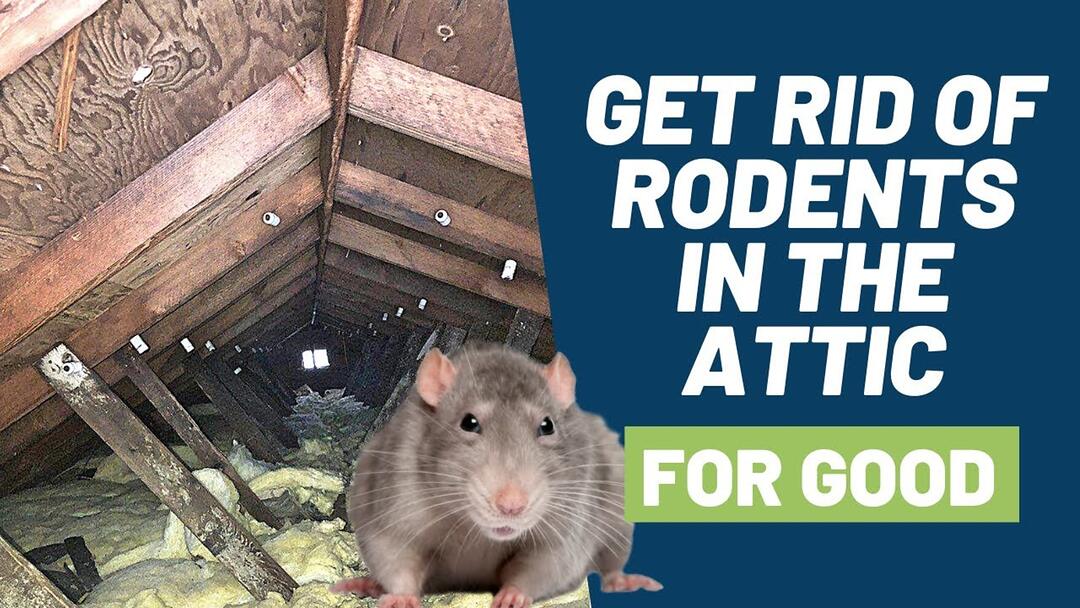
Video: 5 Step Solution to Get Rid of Rodents in Your Attic, from Atticare Construction.
Common Questions in Royal Palm Beach
What village callers ask before booking.
Tile and approvals
My roof has never had anything fitted at the eave. Is that normal?
It is extremely common on houses of this era out here. Barrel and flat concrete tile leave curved openings at the eave that are closed only if a bird stop or a mortar closure was fitted, and on a great many 1980s and 1990s houses it never was. From the ground the roof looks finished. From a ladder the first course is open along the whole edge. Closing it is usually the single most useful thing done to the building, and it is a named, code-recognized component rather than an improvisation.
Will the HOA hold this up for months?
It does not have to. Exterior work needs review in most association neighborhoods, and applications that stall are usually the vague ones. A submission that names the part, the gauge, the finish and the elevations, with a product sheet attached, is straightforward for a board to approve, and that paperwork is prepared alongside the inspection here. Trapping and any interior or unit-side sealing start immediately rather than waiting for the meeting.
Water and seasons
Is the canal behind my house the source?
It is a source of the ground-level species rather than the attic animals. Canal banks, lake margins, outfalls and dense planting are Norway rat habitat, where they burrow and work at grade, while the roofline animals are roof rats arriving from trees, fences and wires. Both can be present with separate entry points, which is why the inspection covers the slab line and the eave. Thinning planting off a bank and closing grade penetrations handles the first; the eave handles the second.
Is there a rodent season here?
There is no off season, which is the part that surprises people who moved from further north. Roof rats breed year-round in this climate with no winter die-off. Two peaks show up locally: extreme heat from June to September pushes animals into cooled attics and garages, and the mild stretch from November to February is the second. Northern fall rodent-season advice does not apply. Yard fruit keeps the population fed almost continuously.
Still have a question? Call (561) 589-3578 and ask.
Nearby Areas We Serve
The contractors dispatched to Royal Palm Beach cover the neighboring towns as well, and the service area runs across the whole of Palm Beach County.
Book a Free Inspection in Royal Palm Beach
The inspection costs nothing and produces the eave measurement, the trapping plan and the association paperwork in one visit.