Rodent Removal in Juno Beach, FL
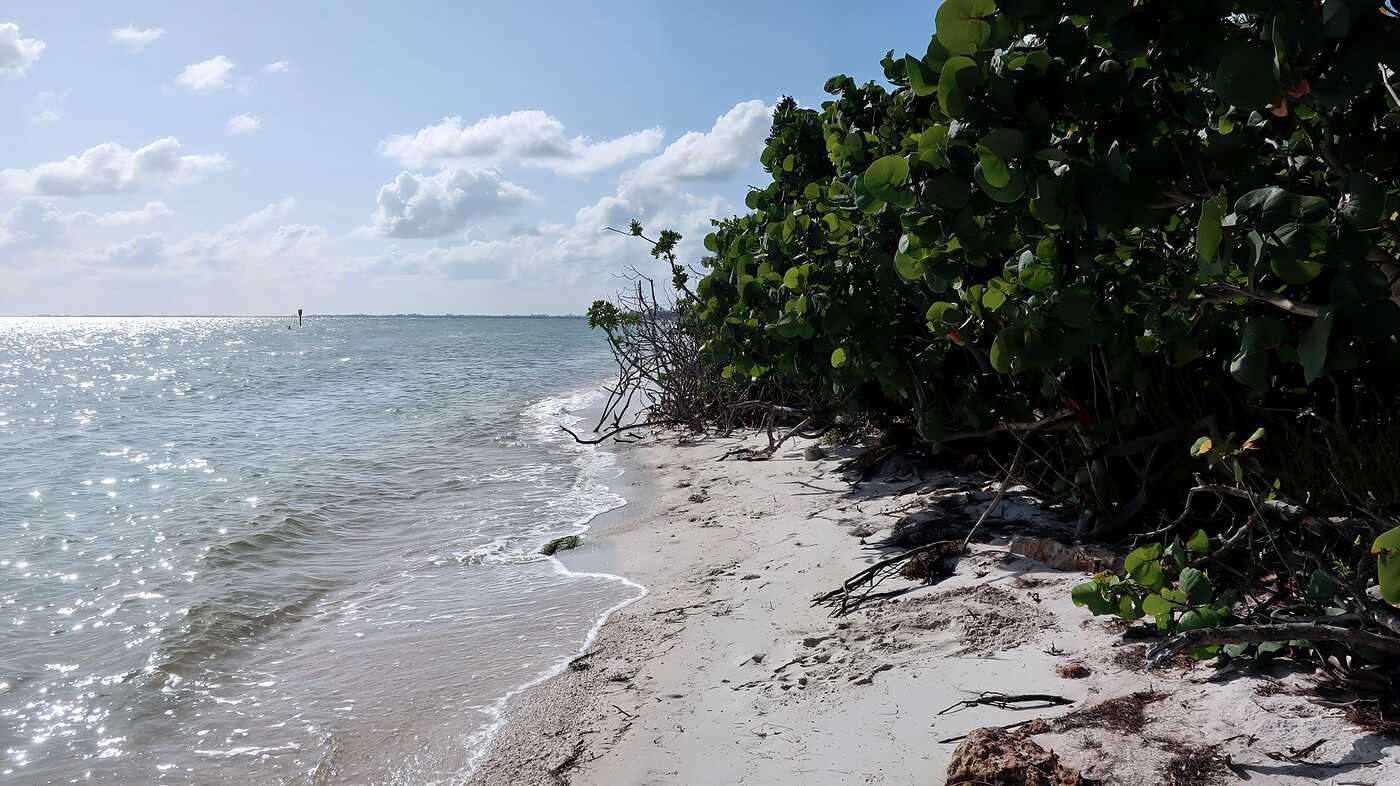
Juno Beach is a small oceanfront town of low-rise condos and single-family streets behind the dune. Salt air, sea grape and association-owned exteriors shape every job here.
Free Inspection in Juno Beach
The free inspection in Juno Beach covers the roofline or the unit and its chases, the attic or ceiling void, the vents and penetrations, and the planting around the building, with photographs and locations for each finding.
The town is about thirteen miles north of downtown West Palm Beach along the coast, an easy run from the Clematis Street office. The line is answered at any time of day or night, and a visit is arranged for a slot that works for you. Start through the contact page or with a call.
A town where most of the exterior belongs to an association
Much of Juno Beach is low-rise and mid-rise condominium, which means the opening a rodent used is usually association property rather than the resident's.
In a Florida condo the roof, the soffits and fascia, the exterior walls, the exterior vents, common ceiling voids and the landscaping are normally the association's responsibility, while the inside of the unit is the owner's. Your own declaration and bylaws are the authority and they vary building to building. The practical effect is the same everywhere: sealing one unit in a building whose ceiling void runs along a line does not end the activity, because the animals move to the next ceiling.
What gets results is a written request to the manager, with a photograph, a location and a plain statement of what each opening needs, while the unit-side work goes ahead immediately. Interior chases under sinks, laundry box penetrations, dryer vent gaps and air handler closets are the owner's to authorize, and trapping in an accessible void can start on the first visit. The detail of the association process is set out under condo and HOA rodent control.
Salt air, sea grape and what the dune side adds
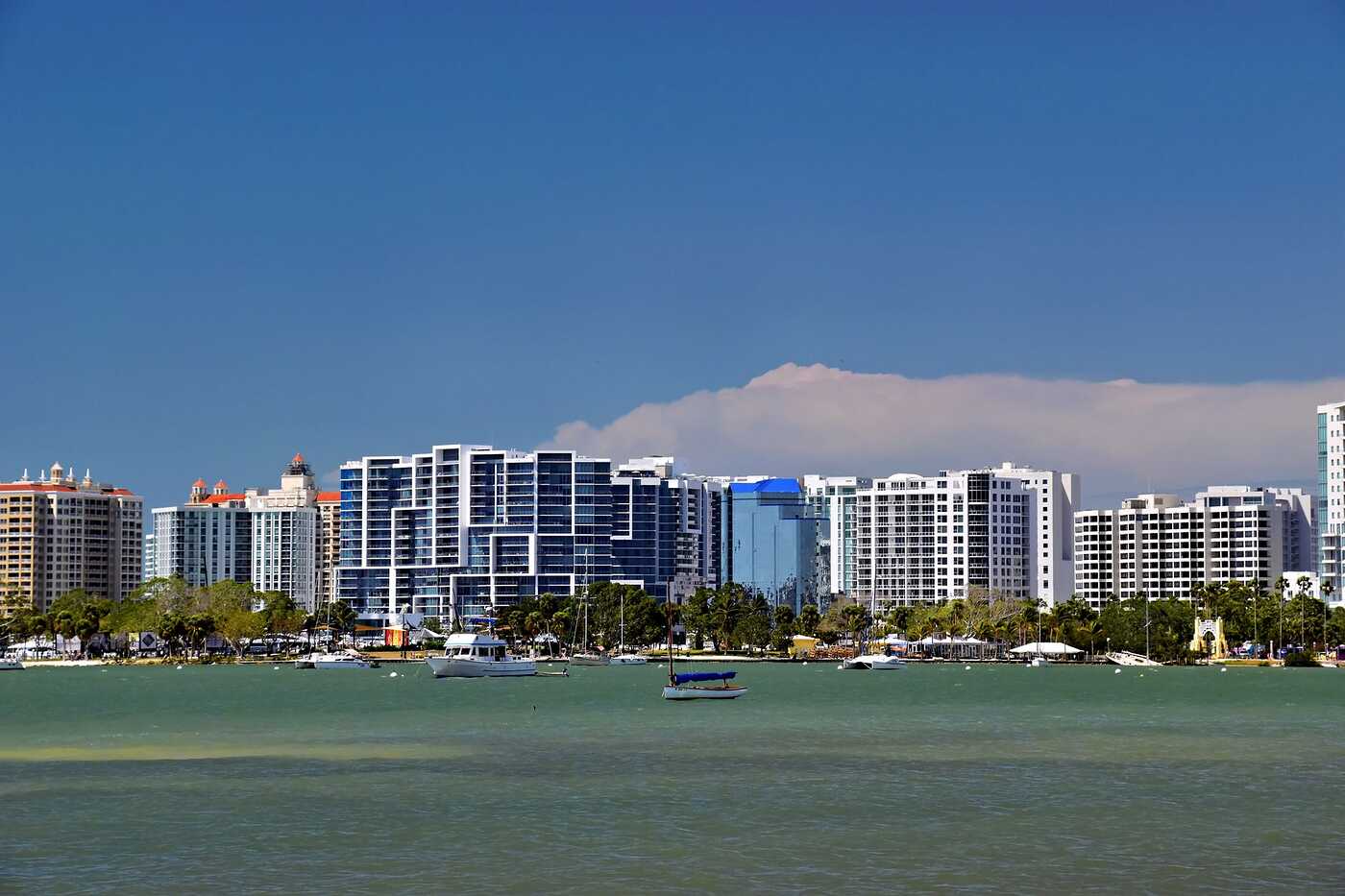
Being on the ocean changes two things: metal corrodes faster, and the planting that holds the dune is also cover for rodents.
Corrosion is the quiet one. Vent screening, soffit fasteners, flashing edges and louver mesh all degrade faster within a few hundred yards of the water, and a screen that has rusted through at its lower edge leaves an opening at exactly the height an animal reaches from a branch or a soffit. The durable repair is stainless or heavy galvanized mesh fitted behind the louver, which is why a closure here should be specified by material rather than by the word screening.
Sea grape, palms and the dense planting along the dune and through the town's streets provide continuous cover at and above ground level. A roof rat is arboreal and ranges about 150 yards from its den, as UF/IFAS describes, and a line of mature sea grape against a building is a covered route with fruit on it. Keeping planting clear of walls and roof edges is part of the work here, and on condo property it is a landscaping instruction to the association rather than something a resident can arrange.
Storm exposure on an oceanfront town
An oceanfront building takes wind directly, and hurricane season here runs from June through November.
Wind lifts soffit panels out of their channels, pulls fascia away from rafter tails, and breaks or displaces roof tiles. The Department of Energy documents that storms break and displace roof tiles and that one broken tile can cascade into others, which opens a tile field into the eave void. The damage does not have to be dramatic to matter: a panel that drops back into place looks undamaged from the ground and is open at one end.
Flooding adds the ground-level half. Surge and heavy rain drive rodents out of burrows, drains and dune harborage, and the CDC links increases in leptospirosis to hurricanes and floods, names rodents among the reservoirs and recommends rodent control as part of post-flood prevention. On association property the useful step after a storm is a documented check of the roofline and the soffit lines, photographed and dated, so the building has a record before repairs hide it and the manager has a specific list rather than a general concern.
What We Handle in Juno Beach
Juno Beach work divides into unit-side items, association items, and single-family houses where one owner controls everything.
- Rodent inspection: the unit and the building exterior, or the full roofline on a house, with photographs and locations.
- Condo and HOA rodent control: the two written lists, the manager request, and building-line scope where a void runs across units.
- Roof rat removal: trapping in attic and void spaces, left in place long enough for wary animals.
- Rodent exclusion: stainless and galvanized mesh at corroded vents, soffit panels reseated, penetrations capped in metal.
- Post-storm rodent inspection: the coastal roofline documented after wind, with temporary closures before the repair.
- Dead rodent removal: for a carcass in a wall or a chase after a bait program.
A Typical Juno Beach Job
The situation: A second-floor unit in a low-rise building a block from the beach, built in the 1980s, flat roof with a parapet, a continuous ceiling void along the building line, and mature sea grape and palms against the east elevation. The owner hears movement in the ceiling in the evening, the association's pest company has had bait stations in the trash area for years, and the property manager has told the owner it is a unit matter.
What gets done: The unit inspection finds the plumbing chase under the kitchen sink open into the void and the dryer vent gap at the wall unsealed, both closed that day, with a trap set in the cabinet void and another at the ceiling access hatch. The building walk finds a roof vent with the screen corroded away at its lower edge, a parapet penetration where an old antenna cable was run, and sea grape growing onto the roof edge at the east elevation. Photographs, locations and what each needs go to the manager the same afternoon, with a note that the ceiling void is continuous along four units.
How it turns out: One animal out of the cabinet void in six days and the noise in that unit stops. The association rescreens the roof vent and seals the parapet penetration within the month, and the landscaper cuts the sea grape back from the roof edge. The owner keeps a copy of the request and the photographs, which is what moved it.
What This Costs in Juno Beach
Unit-side work here is the smallest job in the trade, and building work is quoted per building, read against the published bands.
| Scope | Typical band | Source |
|---|---|---|
| Inspection and written findings | Free on this line | National guides put it at $0 to $175 |
| Trapping in a unit or a void | $250 to $1,200 | HomeGuide 2026, national |
| Exclusion of a building envelope | $500 to $2,500 | HomeGuide 2026, national |
| Exclusion, Florida reference | $550 to $1,642 | Angi, Tampa figures |
| Carcass removal from a wall or chase | $150 to $500 | HomeGuide 2026, national |
A single unit with two interior closures and a week of trapping sits near the bottom of the trapping band. A building-line closure on a low-rise is quoted per building and divided across the units, which costs each owner a fraction of what repeated individual service calls cost the same building over a couple of seasons. For a board, those two figures side by side in writing is the comparison worth asking for, and every band is confirmed at the free inspection.
Book a free inspection in your town
Palm Beach County is covered end to end. Leave a name and number, or call, and the dispatcher books the nearest licensed contractor for a free roofline and attic walk.
Materials that keep rodents out
A comparison of what actually holds at a gap.
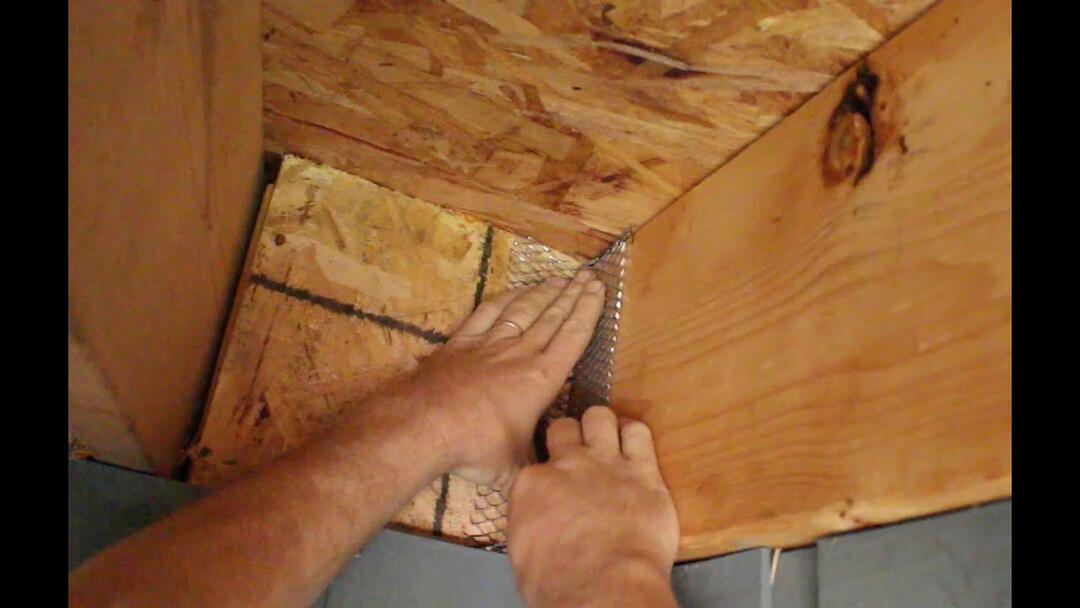
Video: How to keep mice out. Cheaper than hardware cloth, from Ontario Lakeside.
Common Questions in Juno Beach
What owners and boards in this town ask first.
Condo questions
The manager says it is my problem. Is it?
Part of it is and the important part usually is not. The inside of your unit is yours; the roof, soffits, exterior walls, exterior vents, common voids and landscaping are normally the association's under a Florida declaration. Read your own documents, then send the inspection findings in writing with a photograph and a location for each building-side opening and a plain statement of what it needs. A specific maintenance item gets acted on; a report of noise does not. Authorize your unit-side work meanwhile.
Will sealing my unit be enough?
It protects your unit and it does not clear a shared void. Where the ceiling void runs along a building line, the animals use the next ceiling, and a roof rat ranging about 150 yards treats the whole property as one territory. The version that works is the building roofline and the whole void addressed at once, which is also cheaper per unit. Do your own closures and trapping on day one regardless, since they cut what is above your ceiling now.
Coast and method
Why do screens and vents fail so fast here?
Salt air. Within a few hundred yards of the ocean, screening, fasteners and flashing edges corrode much faster than they do inland, and a vent screen almost always fails at its lower edge first. That is why a closure on a coastal building should be specified as stainless or heavy galvanized mesh fitted behind the louver rather than as screening, and why a patch over the face of a corroded vent is a repair you will be doing again in two years.
Is it safe to use bait in a building near the beach?
Inside an occupied building it is the option most likely to create a second problem. The EPA notes that most rodenticides are anticoagulants and that death typically follows four days to two weeks after feeding begins, which in a condo means a carcass in a chase that may cross into a neighboring unit. UF/IFAS makes the point that trapping reduces the risk of a poisoned animal dying inside a building. Mechanical devices in the voids, plus closing the openings, is the approach that avoids it.
Still have a question? Call (561) 589-3578 and ask.
Nearby Areas We Serve
The contractors dispatched to Juno Beach cover the neighboring towns as well, and the service area runs across the whole of Palm Beach County.
Book a Free Inspection in Juno Beach
The inspection is free, and it produces the unit list and the association list you need to get anything moving.