Rodent Removal in Flamingo Park
Flamingo Park is a boom-era bungalow district of low rooflines, deep eaves and ficus hedges grown to the height of a gutter. Rodents use the hedge and the eave, in that order.
What the bungalow stock here means for rodent work
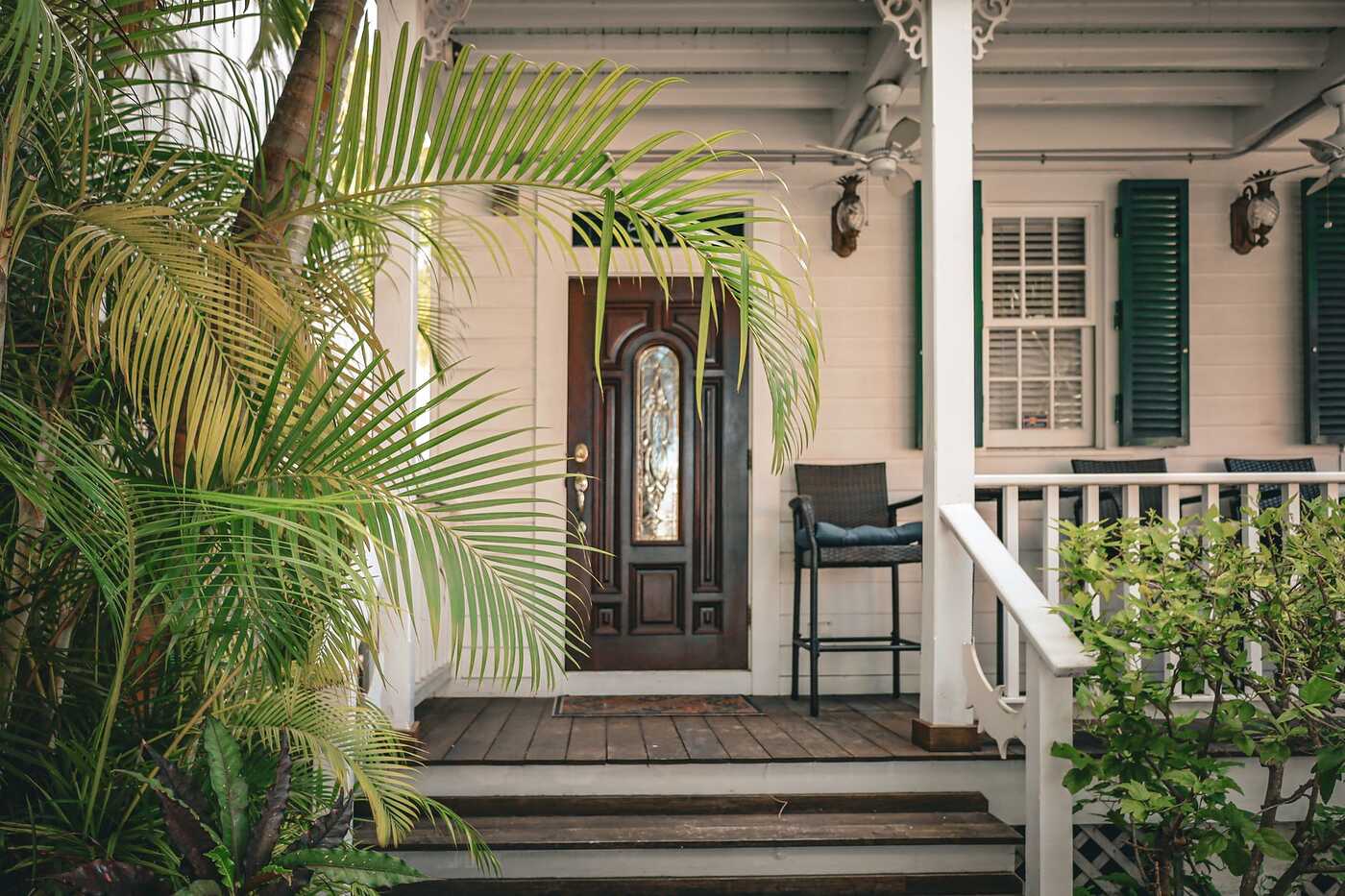
A Flamingo Park house is typically a single-story frame or masonry bungalow from the 1920s land boom, with a low-pitched roof, wide overhanging eaves, exposed rafter tails and a small attic above a flat ceiling.
Each of those features matters on a ladder. Exposed rafter tails mean the space between them at the wall line has to be blocked, and on an unrestored house that blocking is often missing, shrunken or rotten. The wide eave gives an animal a sheltered shelf to work along out of sight from the street. Original wood vents in a gable end or a roof dormer have screening that is a century old where it has not been replaced. Where a house has been reroofed in tile or metal at some point, the junction between the new roof and the old fascia is another place where a half-inch gap goes unnoticed.
The attic is the compensation. These attics are small, mostly uninsulated or thinly insulated, and walkable only in the middle, which makes fresh droppings, urine staining and grease runs along the top plates very easy to read. An inspection here can usually say how many animals are involved and which way they came in, rather than guessing.
Hedges, alleys and the routes rodents use
In this neighborhood the route to the roof is usually a hedge or a fence line rather than a single tree.
Flamingo Park streets carry mature ficus and other privacy hedging clipped to six or eight feet, often growing against a wall or a garage, and the neighborhood's grid includes rear alleys with utility lines, garbage collection and garage structures. A roof rat is arboreal, as UF/IFAS describes, traveling along branches, wires and palm trunks, and a clipped hedge touching a soffit is a continuous covered highway with food and cover along its whole length. Utility lines crossing an alley do the same job at roof height.
The other thing the alley provides is the rest of the ecosystem: trash, recycling, stored material in garages, and the back of a neighbor's fruit tree. One garage with feed, birdseed or pet food in a paper sack supports animals on several properties, and UF/IFAS puts the roof rat's range at about 150 yards from the den, which in this grid is a couple of blocks. This is why the inspection here covers the yard, the hedge line and the garage, and why a good report has a short list of housekeeping items alongside the sealing.
What gets sealed on a Flamingo Park house
The closures are small, numerous and mostly hidden under the eave, which is the opposite of a modern tile house where one long eave run does most of the work.
- Blocking replaced or fitted between exposed rafter tails at the wall line, in timber or sheet metal backed with steel mesh.
- Galvanized or stainless mesh fitted behind original gable and dormer vent louvers, so the louver itself is untouched.
- Soffit and fascia joints packed with steel and capped where boards have shrunk or sprung.
- The junction where a later roof covering meets the old fascia line, which often hides the largest opening on the house.
- Plumbing vent and electrical penetrations at the roof plane, and the gap behind a replaced gutter.
- Garage door corners and the gap under a garage side door, which is where ground-level activity starts.
A point of method: no expanding foam. Rodents chew through it, it is visible under a painted eave, and it does nothing for a roof that needs its ventilation path. Steel mesh, hardware cloth and metal are the materials that hold.
How a job is sequenced here
Sealing comes first on the openings that are not in use, trapping comes next on the ones that are, and the last openings close when the catch stops.
That sequence matters more on a house with eight small openings than on a house with one big one, because closing everything at once leaves animals inside with nowhere to go except down into the living space or into a wall to die. The trapping sits in the attic and along the top plates and runs at least a week, since UF/IFAS notes that roof rats are wary of new objects and will not touch a trap on the first night.
Most Flamingo Park jobs are a free inspection, then roof rat removal, then rodent exclusion across the eave line and the vents. Where a small attic has held a nest for months, insulation replacement sometimes follows, though in an uninsulated bungalow attic the cleanup is usually just droppings on bare decking. The contact page has the hours and the downtown office address.

Rat holes around a building
What a burrow looks like, and where it leads.
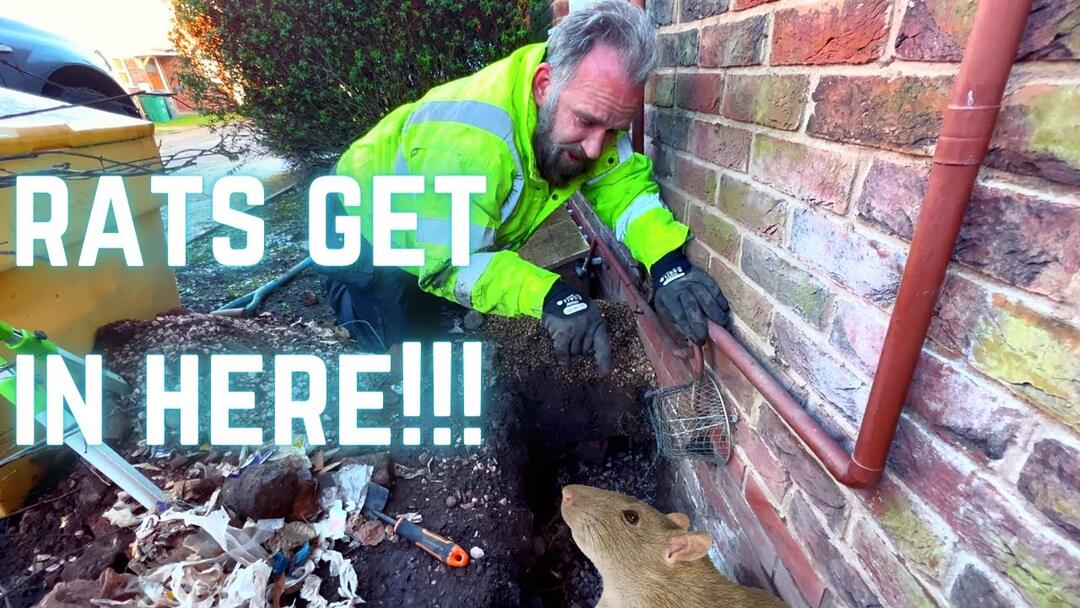
Video: RAT holes around your house? How to stop rats burrowing, from Pest Interceptors.
Why Flamingo Park owners use this line
Small openings get counted one by one
A boom-era bungalow does not have one way in, it has six or eight, spread between rafter tails, vent louvers, sprung boards and a reroof junction. The inspection lists each with a photograph and a location, because a quote that says full-home exclusion without a count is impossible to check and usually misses the one behind the gutter.
UF/IFAS: a quarter inch opening is the rodent-proofing standard for a structure
The hedge line is part of the report
A clipped ficus hedge against a soffit is a covered road with cover and food along it, and an alley utility line is the same thing at roof height. The findings include the trimming list and the housekeeping items in the garage, because sealing a house whose hedge still touches it means the closures get tested nightly.
UF/IFAS: roof rats travel along branches, wires and palm trunks and range about 150 yards from the den
Original details stay original
Mesh goes behind a vent louver rather than across its face, blocking between rafter tails is let in and finished, and nothing visible changes on a street where the houses are the reason people live here. Foam under a painted eave is the shortcut that shows from the sidewalk and fails anyway.
Department of Energy guidance recommends bird stopping on tile roofs, the same principle applied to the openings, the same principle applied to the openings a bungalow has
A typical Flamingo Park call
The situation: A 1924 frame bungalow a few streets from Howard Park, reroofed in metal about fifteen years ago, exposed rafter tails, a ficus hedge on the south property line clipped level with the gutter, and a detached garage on the alley. The owner hears scrabbling in the ceiling over the front room at night and has noticed droppings on a shelf in the garage.
What gets done: The inspection finds missing blocking between four rafter tails on the shaded south side, a gable vent with screen missing at the lower edge, and a two-inch gap where the metal roof panels stop short of the original fascia at the rear. In the garage, a paper sack of birdseed has been opened and there are droppings along a shelf and behind a cabinet. The gable vent and the rear fascia gap are closed with mesh and metal the first day, traps go into the attic along the front top plate and in the garage, and the rafter tail blocking is fitted after the catch stops. The hedge is marked for clipping back eighteen inches from the soffit, and the birdseed moves into a sealed container.
How it turns out: Four animals across eleven days, two of them in the garage. The attic needs a sweep and a treatment rather than a full cleanup, since the decking is bare. The owner's landscaper trims the hedge the following week, and the closures are invisible under the eave.
A free inspection on your street
The contractor covering this part of West Palm Beach walks the eave course, the attic and the yard trees, then writes an itemized quote. Nothing is owed for the visit.
Flamingo Park questions
What people in the bungalow streets ask on the first call.
Method
What is the cheapest way to get rid of rats in a house like this?
Trapping plus closing the openings, done in that order by someone who counts them. The cheap-looking option is a bait plan, and in a bungalow with a small attic directly above the ceiling it is the one most likely to end with a carcass in a wall: the EPA notes that most rodenticides are anticoagulants and that death typically follows four days to two weeks after feeding begins. Sealing with no trapping is the other false economy, because it traps animals inside. HomeGuide puts trapping and removal at $250 to $1,200 and full-home exclusion at $500 to $2,500 nationally.
Can the blocking between my rafter tails be done without removing them?
Yes. The blocking sits between the tails at the wall line and is fitted from below, in timber or sheet metal with steel mesh behind it, and it is then painted to match the eave. The rafter tails themselves are untouched, which matters on a street where they are part of the architecture. Where tails have rotted at the ends, that is carpentry rather than pest work, and the inspection will say so instead of sealing over soft wood.
The neighbors and the yard
My neighbor's hedge and fruit tree are the problem. What can I do about it?
More than it feels like. You can seal your own house to the quarter-inch standard, clip your side of a shared hedge back from your soffit, keep feed and pet food in sealed containers, pick fruit up off the ground on your own property, and trap on your own land. Those steps remove the route onto your roof and the food on your side of the fence. A roof rat ranging about 150 yards will still pass through the neighborhood, and a closed house stops being a place it can live in.
Is the garage a separate job?
It is usually the same visit and a separate line on the quote. Detached garages on the alley side collect stored material, feed and open sacks, and they sit at ground level, which means Norway rats as well as roof rats. The closures there are different: door sweeps, the gap under a side door, and penetrations at the slab line. Traps go in both structures at once, since an animal using the garage at night may be in the house roof by morning.
Still have a question? Call (561) 589-3578 and ask.

Book a free Flamingo Park inspection
The line is staffed at every hour of the day. Say where you hear it and what the hedge is touching, and the contractor we route will count the openings and price the trapping, the sealing and the cleanup as separate items.