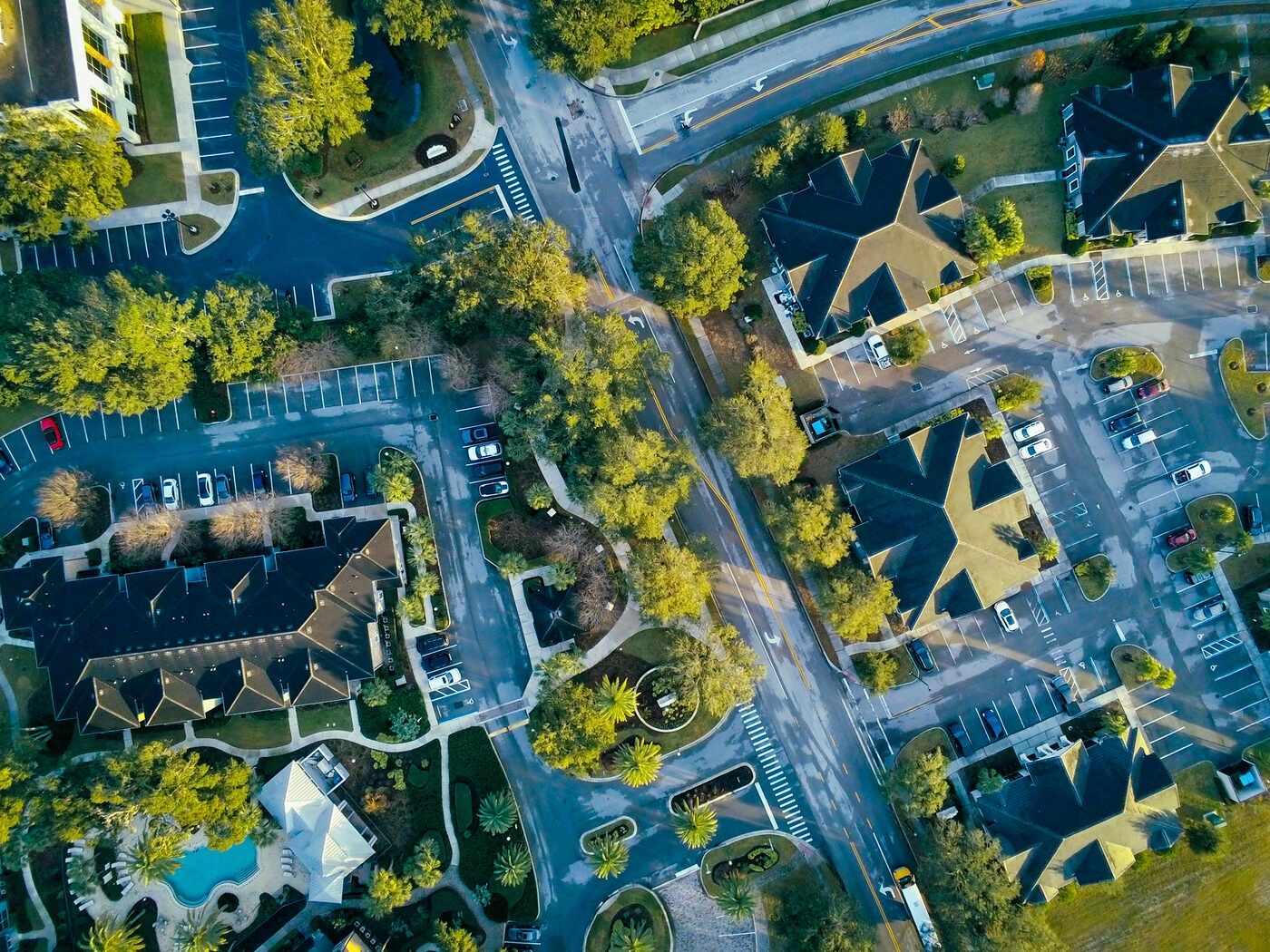
Rodent Removal in Boynton Beach, FL
Boynton Beach runs from an older coastal core west through mile after mile of gated and 55-plus communities. Most of the roofline here is tile, and a great deal of it belongs to an association.
Free Inspection in Boynton Beach
The inspection is free and covers the tile eave line, the hips and ridges, the vents and penetrations, the attic or ceiling void, the garage and the planting around the building, with a photograph and a location recorded for each opening.
Boynton Beach is about fourteen miles south of the Clematis Street office, a direct run down I-95 or the coast road. The phone is staffed at any hour and most inspections can be arranged within a day or two. Use the contact page or call to set one.
The western communities and the 55-plus stock
West of the interstate, Boynton Beach is largely planned community housing: gated single-family neighborhoods, villa and townhouse blocks, and a large number of 55-plus communities built from the 1980s through the 2000s.
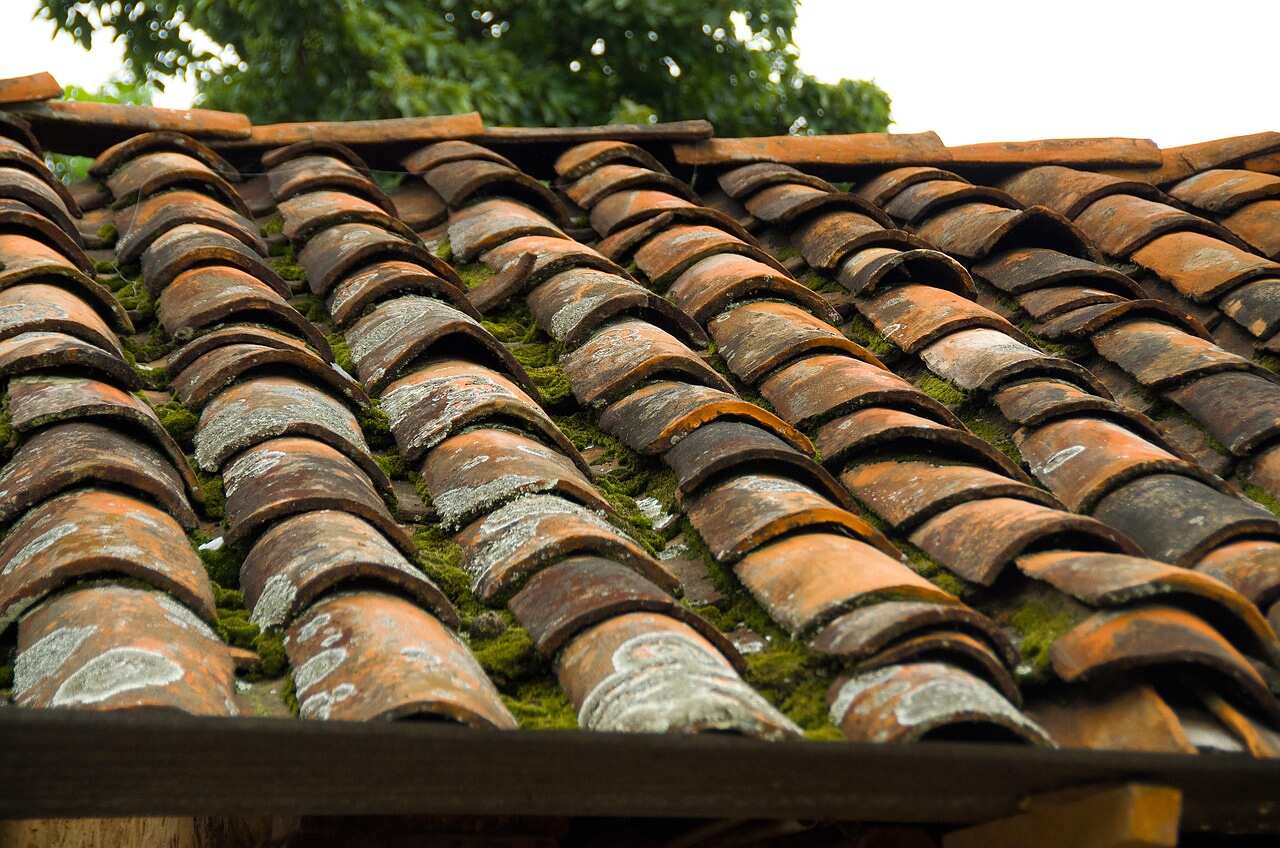
Almost all of it is block and stucco under barrel or flat concrete tile, which makes the eave course the main opening on most properties. Barrel tile leaves curved gaps at the eaves, hips and ridges unless a bird stop or mortar closure is fitted, and a roof rat passes through an opening the size of a quarter. Among the tile-roof measures the Department of Energy recommends is the fitting of bird stopping. It is routine out here to find that course open along every elevation of a house that has never had a rodent problem until this year.
The second feature of this stock is that a great deal of it is attached or association governed. Where a roof and a ceiling void run continuously across several units, sealing one unit moves the animals to the next ceiling rather than ending the activity, so the effective scope is the building line and the decision belongs to the association. Unit-side closures and trapping do not wait for that, and the written request with photographs goes out the same day. The process is set out under condo and HOA rodent control.
The older coastal core and the Intracoastal edge
East of the interstate the city is older and more varied: mid-century single-story houses, small apartment buildings, converted duplexes, and waterfront property along the Intracoastal.
On that stock the findings are different. Soffit panels lifted from their channels, corroded vent screening that fails at its lower edge faster near salt air, turbine vents loose on flashing, and the junction where a replacement roof meets the original fascia. Houses here have usually been reroofed more than once, and each reroof is an opportunity for a panel to be left proud.
The water edge brings the ground-level species. Norway rats burrow and work at grade, using seawall voids, dock structures, riprap, drainage outfalls and dense waterside planting, and a waterfront property can carry a slab-line problem separate from anything in its attic. The species is identified before a quote: roof rat droppings run a quarter to half an inch with pointed ends, while burrow entrances and worn runs at a bank say the opposite and send the sealing work down rather than up.
Canopy, preserve land and the year-round season
Boynton Beach has mature canopy through its older neighborhoods and wetland preserve land on its western side, and both feed the rodent population the buildings have to keep out.
A roof rat is arboreal, traveling along branches, wires and palm trunks and working about 150 yards from its den, as UF/IFAS describes, so a preserve edge or a canopied street is a permanent reservoir rather than a seasonal event. Yard fruit extends it: mango from roughly May into September, citrus from late fall into spring, avocado in between. There is no winter die-off in this climate and roof rats breed all year.
Local call volume peaks twice, in the extreme heat of June to September, when animals move into cooled attics and garages, and again in the mild stretch from November to February, which is also when the seasonal population of the western communities is at its highest. Hurricane season from June to November opens soffit lines and tile fields, which is the situation described under post-storm rodent inspection.
What We Handle in Boynton Beach
Work here is tile eave closure in the west, small mechanical closures in the east, and association paperwork across a lot of both.
- Rodent inspection: the eave line by elevation, vents, attic or void, garage and the water edge where there is one.
- Roof rat removal: trapping along the attic runs, left in place long enough for animals that avoid new objects.
- Rodent exclusion: bird stop on the tile course, soffit panels reseated, vents rescreened, penetrations capped in metal.
- Condo and HOA rodent control: two written lists, the manager request and building-line scope.
- Attic insulation replacement: soiled blown-in material out and new material in, priced by the square foot.
- Rodent clearance letters: a written record for a closing, a board or an insurance file.
A Typical Boynton Beach Job
The situation: A 1998 single-story home in a gated 55-plus community west of the interstate, barrel tile roof, blown-in insulation, a screened patio onto a lake, and seasonal owners who arrive in November. On arrival they find droppings on a laundry room shelf and hear movement above the hallway in the evening.
What gets done: The inspection finds the eave course open along the front and rear elevations, a plumbing vent boot lifted at one edge, and the dryer vent termination on the exterior wall missing its flap entirely. The attic shows two flattened runs in the insulation and a nest above the laundry room, which explains the shelf. The vent boot and the dryer termination are closed on the first visit and traps go on both runs. The architectural review application for a bird stop in a matching finish is prepared that week, with the product sheet and the published exclusion band attached for the committee.
How it turns out: Four animals across eleven days. The eave course is closed along both elevations once approval comes back, the nest area is cleaned and treated, and one joist bay of insulation is replaced. The owners ask for a short written summary of the work for their file before they leave in the spring, which is produced from the inspection record and the closure photographs.
What This Costs in Boynton Beach
The length of tile eave and the number of elevations drive a quote here, and the published bands below are what the inspection measures against.
| Stage | HomeGuide 2026, national | Angi, Tampa figures |
|---|---|---|
| Trapping and removal | $250 to $1,200 | avg $1,078 per visit, typical $441 to $1,716 |
| Exclusion with tile eave closure | $500 to $2,500 | $550 to $1,642 |
| Attic cleanup and decontamination | $600 to $2,500 | insulation removal $600 to $1,200 |
| Insulation replacement | $2.50 to $5.50 per sq ft | adds $1,000 to $3,000 |
Tile work sits in the upper half of the exclusion band because the eave closes along its full length. On an attached villa the figure that matters is the building-line price, because it divides across the units and compares very favorably with repeated individual service calls. For a seasonal owner the other useful question is what the contractor leaves in writing, since a summary with photographs is what an absent owner or a board can read. Every band is confirmed at the free inspection.
Book a free inspection in your town
Palm Beach County is covered end to end. Leave a name and number, or call, and the dispatcher books the nearest licensed contractor for a free roofline and attic walk.
What is moving inside the walls
How noise in a wall cavity gets traced.
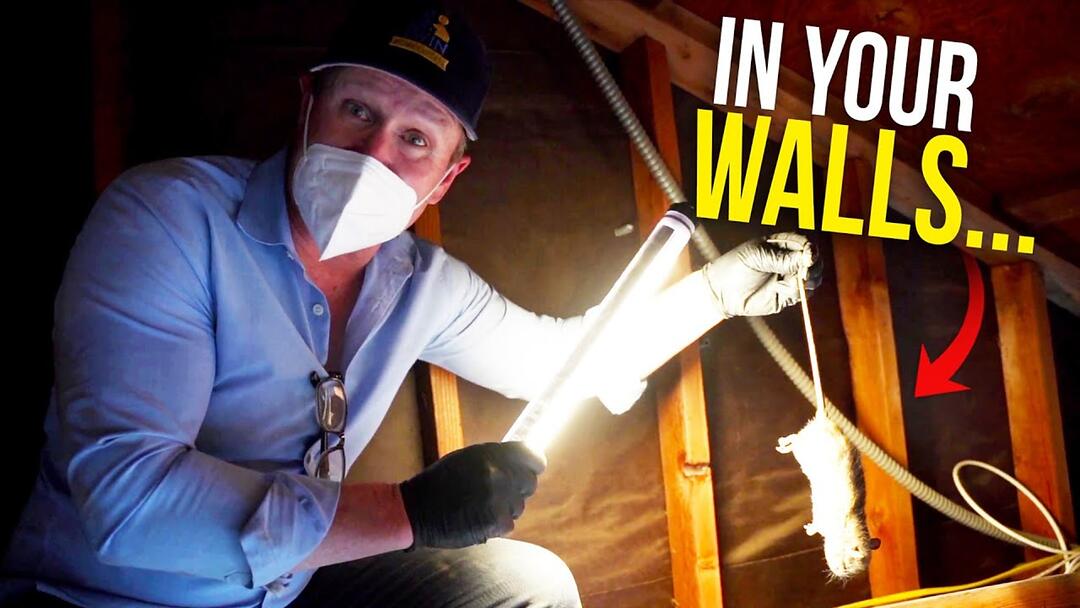
Video: Rodents in your walls? Here's what you do, from Twin Home Experts.
Common Questions in Boynton Beach
What Boynton Beach callers ask before they commit to anything.
Communities and associations
Our community has a pest contract already. Why do I have rats?
Because a service contract and structural sealing are different things. Bait stations and traps catch what comes in; they do not close an eave course that runs the length of a building. Ask the management office what exterior closure work has been done and for the photographs of it. If the answer is a visit frequency rather than a closure list, the community has been paying to manage the symptom, and a one-time roofline closure compares well against that on a per-unit basis.
We are seasonal. Can the work happen while we are away?
Yes, with someone holding access and authorizing the scope, which is often a property manager or a neighbor. Traps go in attic and void spaces rather than living areas, each visit is logged, and every closure is photographed with its location so you can see the work from a thousand miles away. A short written summary at the end is what most seasonal owners ask for, and it is the same record a board or an insurer would want.
Roofs and species
How do I know whether my tile eave is open?
From a ladder, in about five minutes. The first course of barrel or flat tile sits on the eave with a curved void under each tile unless a bird stop or mortar closure was fitted. If you can see daylight into those half-rounds, or an old broken closure, the roof is open along that edge. On a great many 1980s and 1990s houses out here nothing was ever fitted. The free inspection answers it and photographs it, elevation by elevation.
We are on the Intracoastal and the rats look huge. Is that normal?
That is usually the other species. Norway rats are heavier bodied, burrow, and work at ground level around seawalls, docks, riprap and drainage outfalls, which the waterfront edge provides. Roof rats are slimmer and arboreal and live in rooflines. The work differs: grade penetrations, harborage removal and protected trapping for one, eave and vent closures for the other. The droppings and the burrow evidence settle it before a quote is written.
Still have a question? Call (561) 589-3578 and ask.
Nearby Areas We Serve
The contractors dispatched to Boynton Beach cover the neighboring towns as well, and the service area runs across the whole of Palm Beach County.
Book a Free Inspection in Boynton Beach
The inspection is free and produces the elevation measurements, the photographs and the written lists an association needs.