Rodent Removal in Riviera Beach, FL
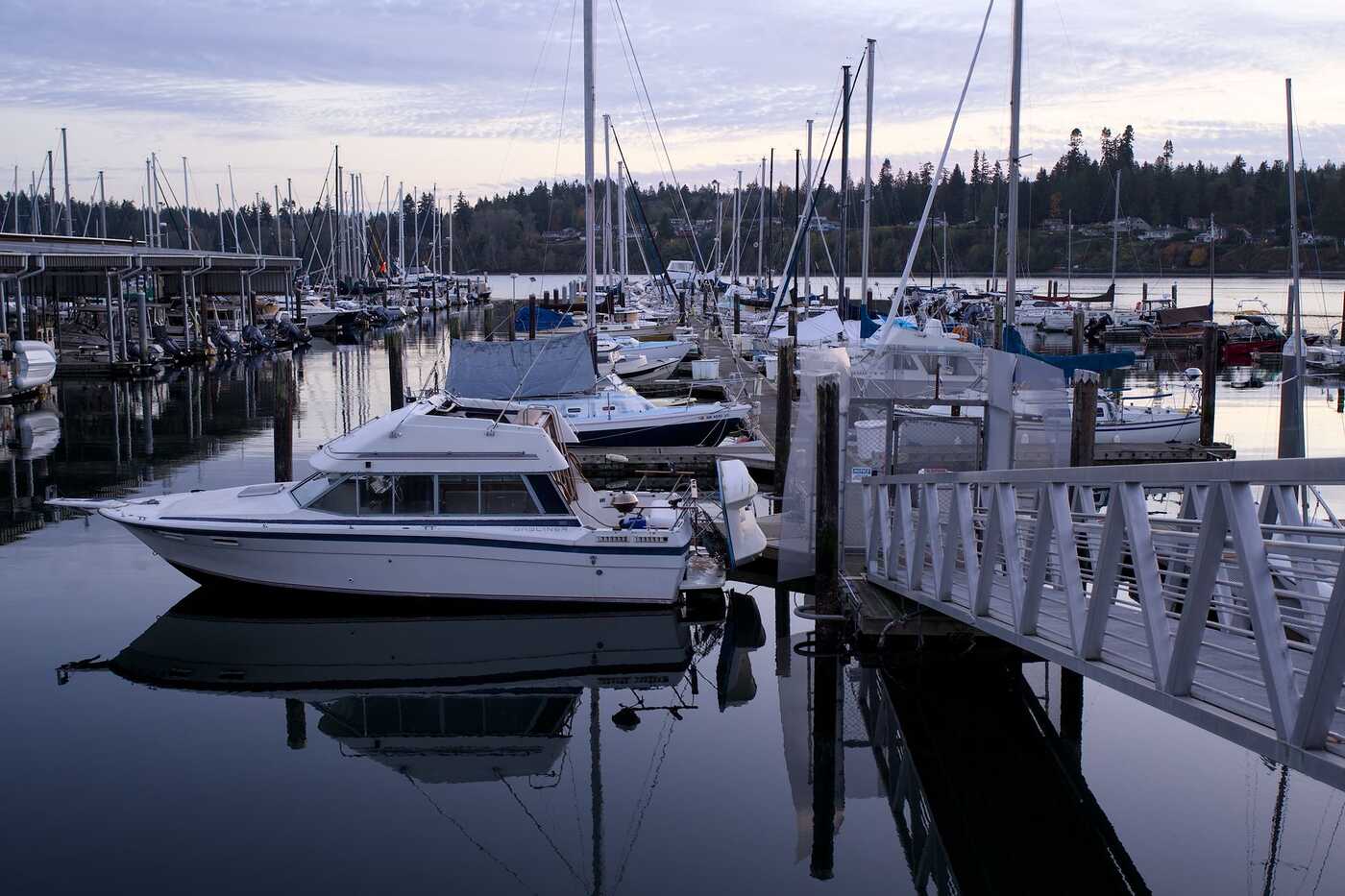
Riviera Beach runs from a working port and marine industrial yards across to the condo towers of Singer Island. Ground-level rats matter here more than almost anywhere else in the county.
Free Inspection in Riviera Beach
A free inspection covers the building shell, the attic or ceiling voids, the slab line and grade penetrations, and the yard or dock area, with each finding photographed and located so you can see what you are paying to close.
Riviera Beach is about five miles north of the Clematis Street office, which makes it one of the quickest calls in the service area. The phone is covered at every hour, and for a business the visit can be scheduled outside trading. Arrange it through the contact page or by calling.
Port, marinas and marine industrial ground
The Port of Palm Beach, the marinas and the marine industrial yards along the waterfront make this the part of the county where Norway rats matter most.
Norway rats are the ground-level, burrowing species: they work seawalls, riprap, dock structures, drainage outfalls, dumpster surrounds, pallet stacks and dense waterside planting. A port and boatyard environment supplies all of that plus food, and the burrow systems along a seawall or under a storage yard can be long established. Roof rats are still the dominant species in the county's rooflines, and a waterfront commercial building commonly has both, entering at different heights.
For a building on that ground the work starts low: dock door sweeps and corners, roll-up door tracks, slab line penetrations, utility sleeves, grease interceptor lids, and harborage removal in the yard. UF/IFAS gives a quarter inch as the opening standard, and a roll-up door that does not seat on its own threshold fails that along its whole width. A monitoring program on a building with an open dock door catches animals forever, which is why the sealing goes first.

Singer Island condos and the association question
Across the Intracoastal, Singer Island is mostly condominium, which puts the openings in association property.
In a Florida condo the roof, the exterior walls, the soffits, the exterior vents, common ceiling voids, garages, trash rooms and landscaping are normally the association's, while the inside of a unit is the owner's, with the declaration and bylaws as the authority. The practical effect is that a resident can authorize the unit-side closures and trapping straight away, while the building-side items need a written request with a photograph and a location for each one.
In a tower the routes are vertical: riser chases, open slab penetrations at each floor, trash rooms and chutes, loading bays and parking levels with planted terraces above them. Activity in an upper unit almost always traces to a service level rather than to the roof, which is why an inspection starts at the bottom of the building. The full process, including what a board needs in order to vote, is covered under condo and HOA rodent control.
Older mainland neighborhoods
The mainland side has long-established residential streets, much of it mid-century single-story housing on slabs with aluminum soffits and shallow roofs.
The findings there are the familiar mid-century list: soffit panels lifted out of their channels, gable vent screening corroded through at the lower edge, turbine vents loose on their flashing, and carport or porch enclosures with penetrations at the edge of a low-slope roof. Many of these houses have been reroofed, and the junction between a new covering and the old fascia is a standing weak point.
Two local factors raise the pressure. Proximity to commercial and industrial ground means food and harborage nearby all year, and a roof rat works about 150 yards from its den, which covers the distance from a yard to a residential block easily. Yard fruit does the rest: mango through the summer, citrus from late fall into spring. There is no winter die-off in this climate, so the only variable that a household controls is whether its own building is closed.
What We Handle in Riviera Beach
Work here splits between commercial buildings, condo property and mainland houses.
- Commercial rodent control: shell sealing, a device map, and dated service records for a port-area or marine business.
- Rodent inspection: the building shell, the voids, the slab line and the yard, photographed with locations.
- Rodent exclusion: door sweeps and tracks, slab and utility penetrations, soffit panels and vent screening.
- Roof rat removal: trapping on attic runs and in voids, left long enough for animals that avoid new objects.
- Condo and HOA rodent control: the two written lists and the building-line scope on Singer Island.
- Rodent clearance letters: a written record for a landlord, an insurer or a closing.
A Typical Riviera Beach Job
The situation: A marine service business in a warehouse near the waterfront, roll-up doors onto a yard with pallet and hull storage, a small office and break area inside, and droppings found on a shelf in the parts store. The landlord owns the building shell and the yard surfacing. A monthly bait program has been running for two years with no written reports.
What gets done: The walk-through identifies the droppings as Norway rat and finds burrow entrances under a pallet stack against the south wall, a roll-up door that does not seat at one corner, and an old conduit sleeve through the block at the parts store wall. Inside, shelving stands flush against the wall so nothing has been visible. The sleeve is packed and sealed and the shelving is pulled forward on the first visit, traps go on the interior runs and in protected positions near the burrows, and the harborage under the pallet stack is cleared by the yard crew. The door corner and the yard surfacing go on a photographed landlord list sent the same day.
How it turns out: Catch stops in the second week and the parts store stays clean across three visits. The manager has a dated file with findings, closures and the landlord list. The door seal is replaced the following month, which is the item that had kept the bait program in business.
What This Costs in Riviera Beach
Commercial scopes are quoted per property and residential work reads against the published bands, which the free inspection turns into a figure.
| Component | Reference band | Published by |
|---|---|---|
| Trapping and removal phase | $250 to $1,200 | HomeGuide 2026, national |
| Sealing a building envelope | $500 to $2,500 | HomeGuide 2026, national |
| Exclusion, Florida figures | $550 to $1,642 | Angi, Tampa data |
| Cleanup and decontamination of a soiled area | $600 to $2,500 | HomeGuide 2026, national |
| Carcass removal | $150 to $500 | HomeGuide 2026, national |
On a commercial property the variables are the size of the shell, how much of it the landlord owns, the access window, and whether the yard needs harborage work. On a mainland house it is the number of closures, which on single-story mid-century stock is usually five to eight. Ask for sealing and monitoring as separate lines on any commercial quote, and ask what the monitoring costs in month four as well as month one.
Book a free inspection in your town
Palm Beach County is covered end to end. Leave a name and number, or call, and the dispatcher books the nearest licensed contractor for a free roofline and attic walk.
What is moving inside the walls
How noise in a wall cavity gets traced.
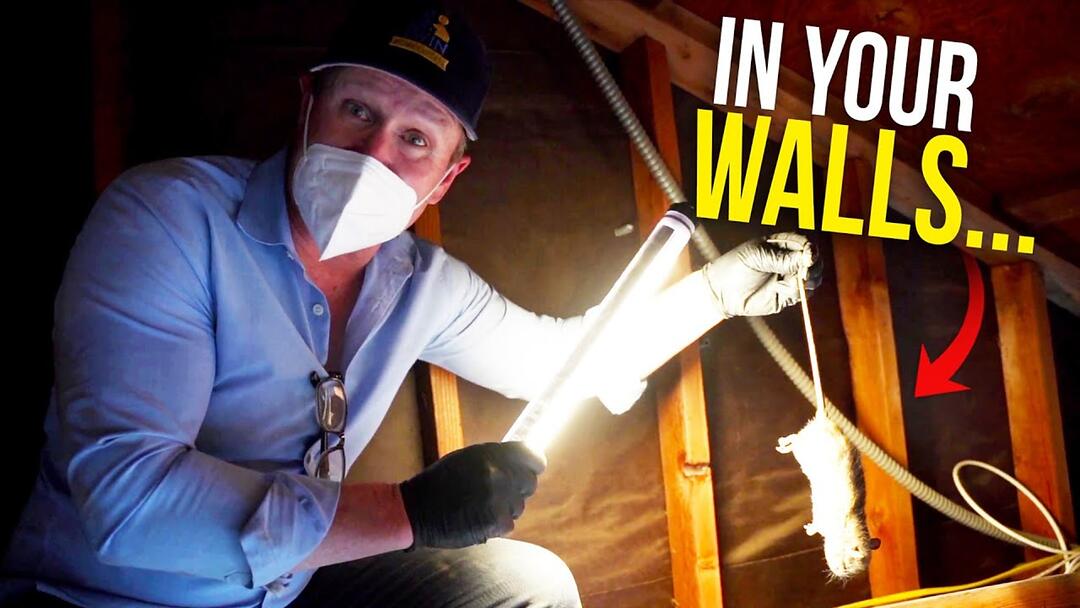
Video: Rodents in your walls? Here's what you do, from Twin Home Experts.
Common Questions in Riviera Beach
What businesses, residents and boards here ask first.
Ground level and commercial
Why are the rats here so much bigger than the ones my neighbor had?
You are probably looking at a different species. Norway rats are heavier bodied, work at ground level and burrow, and the port, marina and yard environment along this waterfront suits them. Roof rats are slimmer, arboreal and live in rooflines. The work is different for each: grade penetrations, door sweeps and harborage removal for one, eave and vent closures for the other. The droppings settle which you have, since the roof rat's are a quarter to half an inch with pointed ends.
We have had a monthly bait program for years and still have droppings. Why?
Because monitoring and sealing are different jobs. Bait and traps inside a building catch what gets in; they do not stop it getting in. A roll-up door that does not seat, an unsealed conduit sleeve and a pallet stack against a wall will keep producing animals indefinitely. Ask what structural work has been done, with photographs, and ask for a device map and a dated visit log. A program with no sealing in it is a standing charge rather than a solution.
Condos and houses
I am on a high floor on Singer Island. How is this happening?
Through the inside of the building. Riser chases with open slab penetrations, trash rooms and chutes, loading bays and parking levels with planted terraces give a continuous route from a service level to any floor, so nothing climbed the outside. An inspection starts at the garage and the trash room for that reason. Your own closures, the plumbing chase under the sink and the dryer vent gap, are worth doing immediately, and the building items go to the manager in writing.
What does a mainland house usually need?
Five to eight mechanical closures plus a week to ten days of trapping, on the typical single-story mid-century house. The usual list is soffit panels reseated with mesh behind the returns, gable vents rescreened in stainless or galvanized mesh, a turbine vent base sealed, and any grade penetration at a hose bib or utility entry closed in mortar and metal. Blown-in insulation in the attic shows where the runs were, so the cleanup is often a couple of bays rather than the whole floor.
Still have a question? Call (561) 589-3578 and ask.
Nearby Areas We Serve
The contractors dispatched to Riviera Beach cover the neighboring towns as well, and the service area runs across the whole of Palm Beach County.

Book a Free Inspection in Riviera Beach
The inspection is free for a home or a business, and it produces the closure list, the photographs and the separate prices.