Rodent Removal in West Palm Beach, FL
The palm rat reaches the roof along a mango limb, slips under the first course of tile, and the scratching starts after dark. Licensed contractors trap it out, close the eave with a metal bird stop, and put the attic right.
What we arrange across Palm Beach County
Ten services in three groups, in the order a job runs: the animals out, the building closed, the attic repaired.
Roof Rat Removal
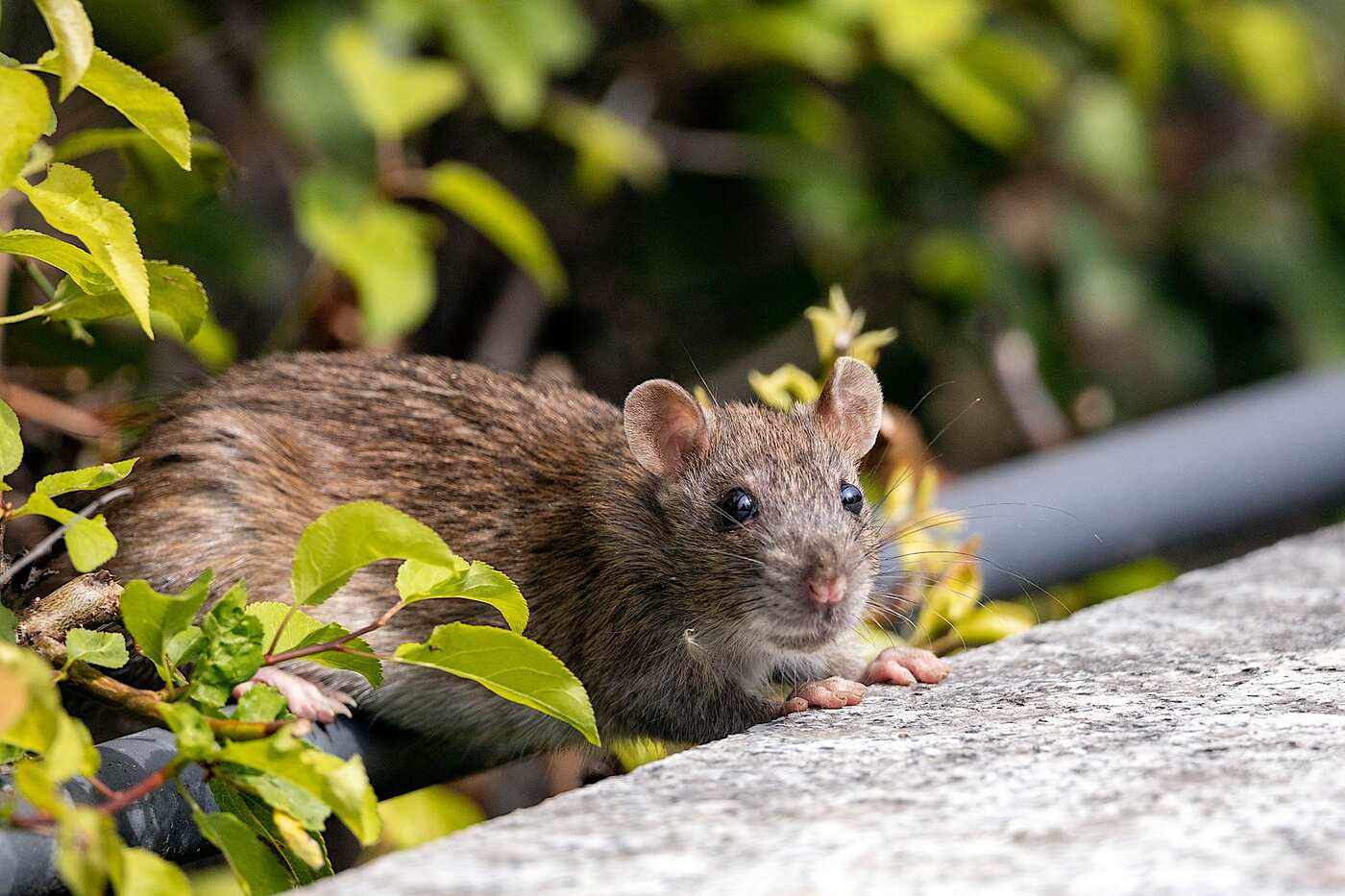
The palm rat is the animal behind nearly every West Palm Beach attic call. It reaches the roof along a mango limb or a palm trunk, enters at the tile eave or a soffit return, and breeds all year. Trapping it out and closing the way in are quoted as two lines of one plan.
About roof rat removalGetting them out
Trapping in the runs that are in use, the carcass search when something has already died, and the commercial version with documentation.
Closing the building
The eave course, the vents and the association paperwork, plus the inspections that find the openings and put the findings in writing.
Repairing the attic
What is left behind once the roofline is sealed and the traps have gone quiet.
What is making the noise in the ceiling
Five animals and one aftermath account for nearly every call from West Palm Beach, and the hour you hear it narrows the list before anyone visits.
-
Roof rats, the palm rat
UF/IFAS calls the roof rat the most abundant and significant rodent pest in Florida. Locals call it the palm rat, citrus rat or fruit rat. It climbs, nests in attics and soffits, and its droppings run a quarter to half an inch long, banana shaped with pointed ends.
-
Norway rats
The heavier ground rat, a distant second here. It burrows under slabs and seawalls and works dumpsters, so it turns up at older waterfront and commercial properties around the port and the lagoon. UF/IFAS gives the rat-proofing standard as a quarter-inch opening for either species.
-
House mice
A minority in West Palm Beach. Droppings smaller than a quarter inch and activity in kitchen cabinets and appliance voids point to mice; a quarter inch is also the opening a mouse needs, per UF/IFAS, so the same sealing standard applies.
-
Squirrels
Footfalls in daylight, heaviest at dawn and dusk, mean a squirrel far more often than a rat. The entry points overlap at the eave and gable, so a sealed roofline handles both, though the trapping rules differ and squirrels fall under FWC rather than FDACS.
-
Something that died in a wall
A sweet, heavy smell that builds over a week is a carcass, usually after a poison-only plan. The EPA describes most rodenticides as anticoagulants with death typically four days to two weeks after feeding begins, and the animal dies where it nests.
-
Storm displacement
Surge and flooding push rats out of ground harborage, wind opens soffits and tile lines, and debris piles shelter them. The CDC ties leptospirosis increases to hurricanes and floods, names rodents among the reservoirs, and recommends rodent control after a flood.
Why a West Palm Beach rodent job starts at the tile eave
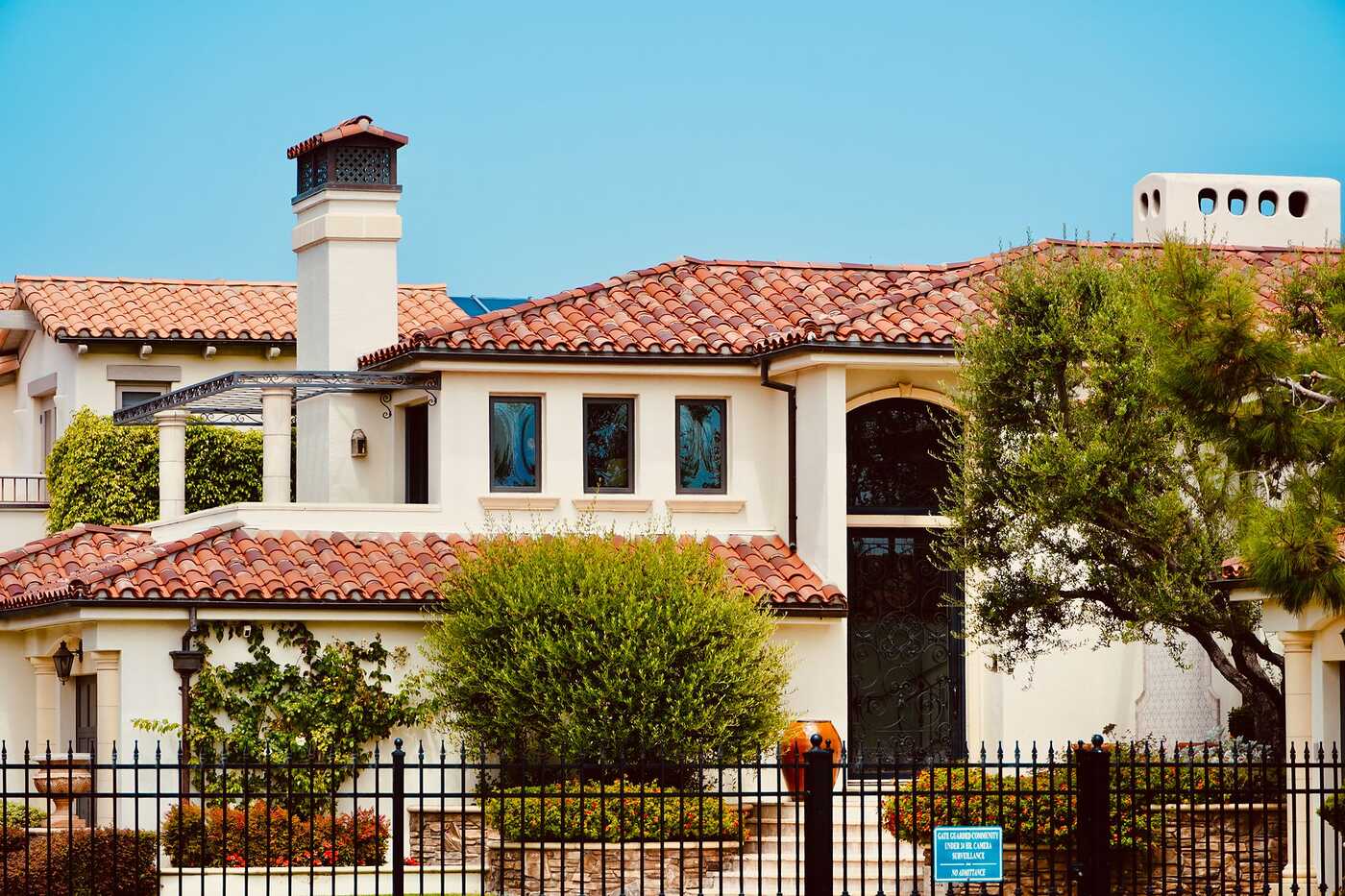
Nearly every house in Palm Beach County sits on a slab with a vented attic above it, so the way in is above head height. On the 1980s to 2000s stock and almost all of the gated communities the roof is concrete or clay barrel tile, and the curved first course leaves an opening of a quarter to half an inch at every tile end unless a closure is fitted. Bird stopping appears on the Department of Energy list of measures recommended for tile roofs. A missing or corroded bird stop is a rat-sized void running the entire length of the eave.
The older districts change the picture without changing the principle. El Cid, Flamingo Park, Old Northwood and Grandview Heights carry pre-1940 houses with wood soffits, older gable vents and, on some, a crawl space, under mature mango, avocado and banyan canopy. There the openings are soffit returns and vent screens, and the branch touching the roof delivers the animal to them.
The season here has two peaks and neither is the northern fall. Summer heat from June to September pushes rats into cooled attics and garages, and the mild months from November to February are the second peak. Mango fruits from May to September, citrus from November to March, avocado through summer and fall, so the yard feeds the population all year and the hurricane months from June to November add the storm-opened roofline on top.
Why West Palm Beach homeowners route the call through us
Three things separate a job that ends from one that runs into a fourth month.
The tile eave is closed with the manufactured part
Concrete and clay barrel tile covers most of the houses built here from the 1980s on, and the curved first course leaves a quarter- to half-inch opening at every tile unless a bird stop is fitted. A roof rat passes through a gap the size of a quarter. The contractors we route fit the code-approved metal closure along the full eave length; expanding foam in that gap is what a cheap quote usually means, and it can block the roof ventilation.
Installing bird stopping sits on the Department of Energy list of recommended tile-roof measures
Association paperwork is handled as part of the job
About 44 percent of the housing units in the city sit in large complexes and towers, and the west side is gated golf stock with an architectural review board. On both, the exterior belongs to an association, so a unit owner cannot have a bird stop or a vent screen fitted without approval. The contractor writes the findings in the form a manager or board needs, and the sealing is quoted on the association side and the unit side separately.
Roughly 44 percent of West Palm Beach units are in large complexes and high-rises, NeighborhoodScout
The bands are published before anyone drives out
No page ranking for rodent work in West Palm Beach prints a price. The bands here come from the HomeGuide 2026 national guides, with the Angi figures for Tampa as the nearest Florida reference, and the free inspection turns them into a quote with trapping, sealing and cleanup on separate lines.
Full-home exclusion typically $500 to $2,500 nationally, HomeGuide 2026
Book the free inspection tonight
Someone answers this line at any hour. Say what you hear, where, and since when, and the nearest licensed contractor is booked for a free eave and attic walk with an itemized quote.
The figures that decide how the job goes
Sourced numbers, because the width of a tile gap and the pace of a litter are why trapping on its own fails.
- 1/2 in Opening a rat can pass; a quarter inch is the sealing standard UF/IFAS Extension
- 6 to 8 Young per litter, up to six litters a year in Florida UF/IFAS Extension
- 4 to 14 Days from first feeding to death on anticoagulant bait US EPA
- $500 to $2,500 Typical full-home exclusion, national band HomeGuide 2026
Rodents in the attic
What is happening above the ceiling, explained.
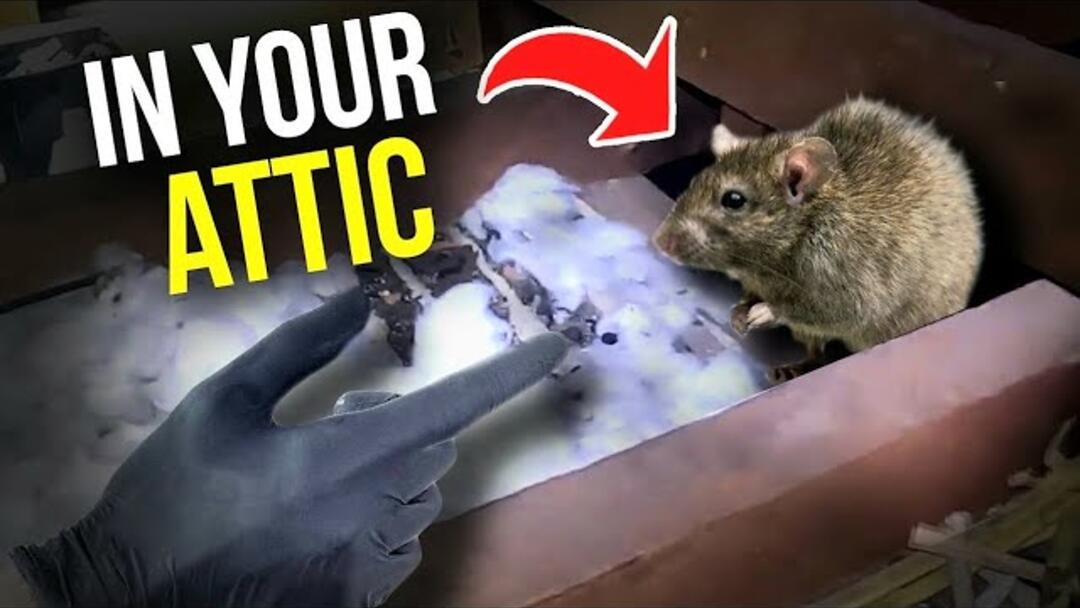
Video: Rodents in your ATTIC!? Here's what you do, from Twin Home Experts.
How a rodent job runs in West Palm Beach
The same order on every call, with the sealing in the middle, because sealing a house that still has rats inside and trapping a house with an open eave both fail.
-
Call and describe it
Where the noise is, what hour, how long it has gone on, what you have found. That narrows the species before anyone drives out.
-
Free inspection
Eave course, vents, attic and yard trees walked and photographed, with every opening recorded and a written quote built from it.
-
Close the quiet openings
Bird stop along the tile eave, steel mesh at vents and returns, sleeves sealed, leaving only the runs in use so nothing is shut inside.
-
Trap the animals inside
Snap traps on the active runs, left at least a week because roof rats are wary of anything new, checked and reset on a schedule.
-
Close the last runs, repair the attic
When the traps go quiet the final openings are sealed, and the attic is cleaned or re-insulated where the damage calls for it.
What to expect
Five things happen on every job, in this order, whichever contractor is dispatched.
- A call back from the dispatcher to confirm the address and what you are hearing
- A contractor at the eave with a ladder before anyone goes into the attic
- A written quote with each line separated, before any work is agreed
- Traps checked on a schedule and openings closed in sequence, with association paperwork where it applies
- A final walk of the roofline with you before the job is called finished
Which service the call turns into
Most jobs use two or three of these in order. Each carries a figure so the budget can be set before the inspection.
-
Roof rat removal
Snap trapping on the active runs, sequenced with sealing. HomeGuide 2026 puts trapping and removal at $250 to $1,200 nationally. Roof rat removal.
-
Rodent exclusion
Bird stop along the tile eave, steel mesh at vents and returns, to the quarter-inch standard. Full-home exclusion typically $500 to $2,500 per HomeGuide. Rodent exclusion.
-
Rodent inspection
The inspection here costs nothing. National guides put a standalone inspection at $0 to $175, and people online describe paying around $75 just to get a bid. Rodent inspection.
-
Condo and HOA rodent control
Findings written for a manager or board, ARB applications for bird stops and screens, whole-stack sealing in towers. About 44 percent of city units sit in large complexes. Condo and HOA rodent control.
-
Attic cleanup
Droppings, nests and urine-wet insulation out, then sanitizing. HomeGuide puts cleanup and decontamination at $600 to $2,500 nationally. Attic cleanup.
-
Insulation replacement
Angi Tampa figures: removal $600 to $1,200, replacement adding $1,000 to $3,000. DOE notes compressed and wet insulation underperforms its rating. Insulation replacement.
-
Dead rodent removal
Locating and removing the carcass from a wall or ceiling, then closing the opening. HomeGuide puts it at $150 to $500 nationally. Dead rodent removal.
-
Post-storm inspection
A roofline and debris check after a hurricane, when broken tiles and pulled soffits open new routes. The CDC recommends rodent control as part of post-flood prevention. Post-storm rodent inspection.
Where the contractors are dispatched
West Palm Beach and the whole of Palm Beach County, with pages for the neighborhoods and towns that call most.
What West Palm Beach homeowners ask first
Plain answers to the questions that open nearly every call.
The animal and how long it takes
How long does it usually take to get rid of rats?
Longer than most quotes admit, and the sealing is what sets the end date. HomeGuide puts trapping a handful of animals at two to three days and a heavy infestation at one to two months. Roof rats breed all year in Palm Beach County, so a plan that traps and leaves the eave open is the one that turns into the four-month story people tell online.
Is it rats, or could it be mice?
In West Palm Beach it is almost always the roof rat. Noise after dark in the ceiling, droppings a quarter to half an inch long with pointed ends, and greasy rub marks along beams are its pattern per UF/IFAS. Droppings under a quarter inch and activity in cabinets point to mice; footfalls in daylight point to squirrels.
What keeps rats away permanently?
A closed building. Repellents, ultrasonic plugs and bait do nothing about the gap under the tile, and a roof rat ranges about 150 yards from its den, so the fruit trees three houses over keep the pressure on for as long as the eave is open. A metal bird stop along the tile course and steel mesh at the vents are what hold.
Cost, approvals and who attends
What is the cheapest way to get rid of rats?
Snap traps plus sealing, done once. HomeGuide 2026 puts trapping and removal at $250 to $1,200 and full-home exclusion at $500 to $2,500 nationally; the Angi figures for Tampa, the nearest Florida data, give a removal visit at $441 to $1,716. A bait-only plan looks cheaper and usually ends with a carcass in a wall and a second bill.
My condo association owns the exterior. Can anything be done?
Yes, in two parts. Inside the unit the openings around plumbing, the AC line set and the dryer vent are yours to have sealed. The exterior work goes to the manager or board as a written finding with photographs, and in a tower the sealing usually covers the whole stack or the whole building line, because a single closed unit moves the animal to the neighbor. The condo and HOA page covers the paperwork.
Who turns up, and are they licensed?
An independent Palm Beach County contractor who holds the FDACS credential the job needs. Trapping rats or mice in a structure for hire requires at minimum a Limited Wildlife Management Certificate; any rodenticide work requires a licensed pest control business with a certified operator. Ask for the license number and confirm it on the FDACS lookup before work starts.
Still have a question? Call (561) 589-3578 and ask.
Hearing it over the bedroom tonight?
Call now and a dispatcher books the nearest licensed contractor for a free inspection. Or leave a name and number and someone calls you back.