Rodent Removal in Lake Worth Beach, FL
Lake Worth Beach has some of the densest early cottage stock in Palm Beach County, on small lots with alleys and deep canopy. Small old houses have many small ways in.
Free Inspection in Lake Worth Beach
The free inspection walks the eave and soffit line, the attic, the vents and penetrations, the garage or accessory building, and the trees and hedges that reach the roof, and it records each opening with a photograph and a location.
The city sits roughly six miles south of downtown West Palm Beach, a short run down Dixie Highway from the Clematis Street office. The phone is answered day and night, and most inspections can be set within a day or two. Use the contact page or call to arrange one.
Early cottage and bungalow stock, and what it means on a ladder
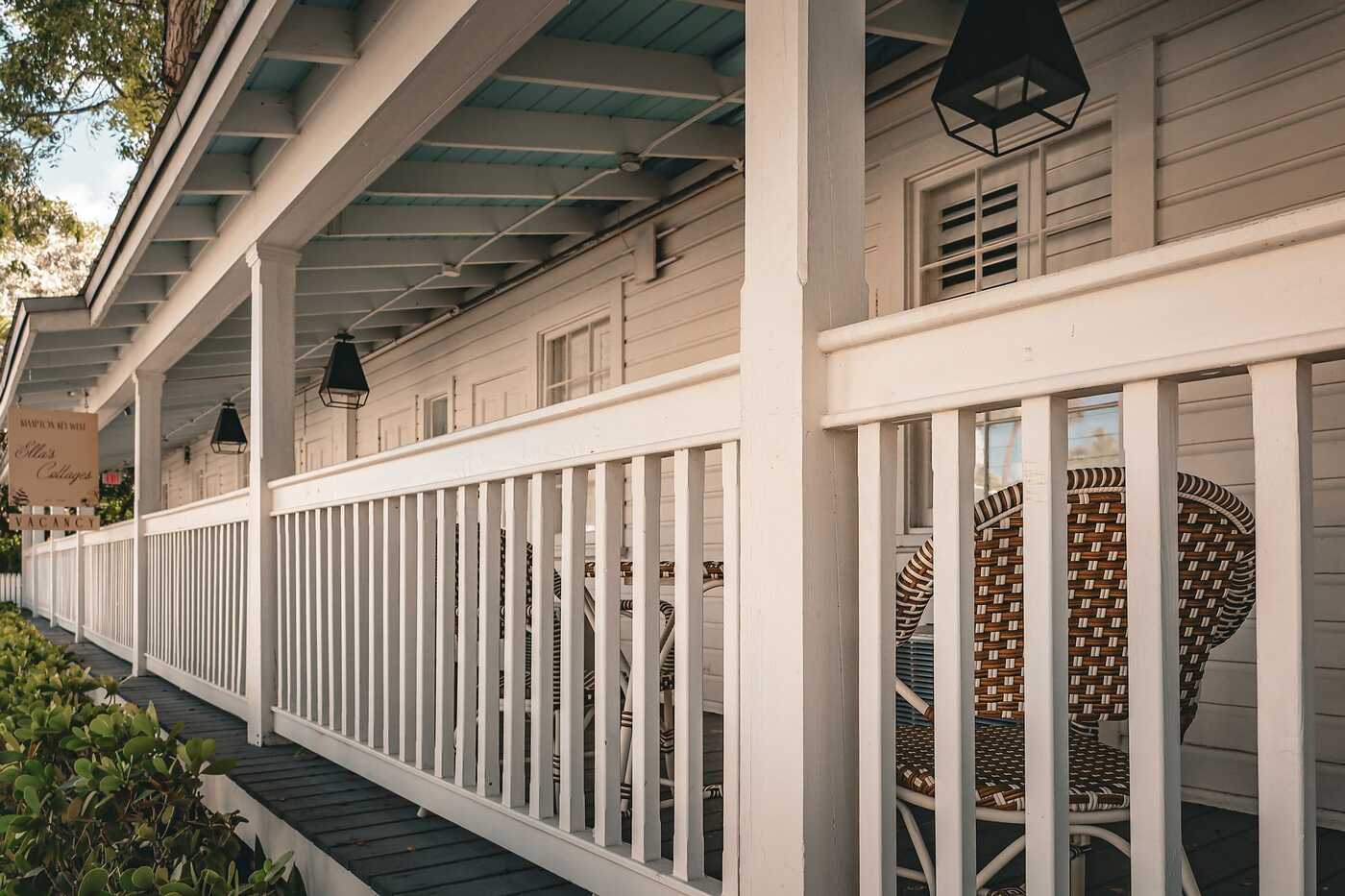
A great deal of this city was built during the 1920s Florida land boom, and the typical house in the historic districts is a small frame or masonry cottage or bungalow with a low-pitched roof, wide eaves and a small attic.
That stock produces many small openings rather than one big one. Wood soffits and fascia have joints that have opened over a century, exposed rafter tails need blocking at the wall line that is often missing or rotten, original gable and dormer vents have screening that has long since failed, and a house that has been reroofed two or three times has junctions where the new covering stops short of the old fascia. Porch roofs and later additions rarely meet the original structure cleanly. Each gap exceeds the quarter inch UF/IFAS gives as the rodent-proofing standard.
The compensation is that these attics are small, mostly lightly insulated, and easy to read. Droppings a quarter to half an inch long with pointed ends, grease marks along the top plates and flattened nesting material tell a contractor which runs are in use before a trap is set, so the closures can be sequenced rather than guessed.
Alleys, accessory buildings and a heavy canopy
The city's grid includes rear alleys, small detached garages and accessory buildings, and mature street canopy, which together give rodents routes and harborage independent of any one house.
An alley carries utility lines at roof height, waste collection at ground level, and stored material in garages and sheds. A roof rat travels along branches, wires and palm trunks and works about 150 yards from its den, as UF/IFAS describes, so one garage with an open sack of feed, birdseed or pet food supports animals across several properties. The canopy over these streets, including ficus, banyan, oak and palm, connects rooflines that look separate from the sidewalk.
Fruit is the other constant. Mango drops from roughly May into September, citrus runs from late fall into spring, and avocado fills part of the gap, so the food supply never closes. This is why the findings here usually come with a short list of yard and storage items: fruit picked up off the ground, feed in rigid sealed containers, branches lifted off the roof, and palm boot material cleared from trunks near the house.
The lagoon edge and the rental question
On the east side the city meets the Lake Worth Lagoon, and a good share of the housing stock is rented or divided into units, both of which change the job.
The lagoon edge, its seawalls, parks and drainage structures are ground-level habitat, where Norway rats burrow and work rather than climb. A property close to that edge can have a burrowing problem at the slab line alongside roof rats in the attic, and the sealing work for each is at opposite ends of the building. Identification from the droppings and from burrow evidence decides which, before anything is quoted.
For rentals and divided houses, the owner normally arranges the work, because the openings are in the building rather than in a tenant's possessions, and the written findings are what a tenant needs to see. Traps go in attics and voids rather than in living space where possible. Keeping the inspection report and the photographs on file is what protects an owner if a complaint escalates, and it is also the basis for a written record later if one is needed.
What We Handle in Lake Worth Beach
A Lake Worth Beach job is a closure count plus a week or more of trapping, and sometimes a second front at ground level.
- Rodent inspection: the eave line, rafter tails, vents, additions, garage and canopy, each opening photographed.
- Roof rat removal: traps along the attic top plates and in the garage, left in place long enough to work.
- Rodent exclusion: blocking between rafter tails, mesh behind original vent louvers, soffit joints packed and capped in metal.
- Attic cleanup: nests, droppings and any soaked material out of a small attic once the roofline is closed.
- Dead rodent removal: for a carcass in a plaster wall, a common sequel to a bait plan in an old house.
- Rodent clearance letters: a written record for a landlord, a sale or an insurance file.
A Typical Lake Worth Beach Job
The situation: A 1925 frame cottage in one of the historic districts, divided into two units decades ago, wood soffits, a detached garage on the alley, and a ficus hedge along the north boundary grown above gutter height. The downstairs tenant reports droppings in a kitchen cabinet and the owner has heard running in the ceiling at the front of the house.
What gets done: The inspection finds missing blocking between five rafter tails on the shaded north side, a gable vent with no screen at its lower edge, and a gap where a new metal roof stops short of the original fascia at the rear. In the kitchen, the plumbing chase under the sink is open into the wall cavity. In the garage, a sack of potting soil and a bag of birdseed have been opened and there are droppings along a shelf. The vent, the fascia gap and the sink chase are closed on the first visit, traps go into the attic along the front top plate and in the garage, and the rafter tail blocking is fitted once the catch stops. The hedge is marked for clipping back from the soffit.
How it turns out: Six animals across twelve days, two of them in the garage. The attic decking is bare, so a sweep and a treatment do for the cleanup. The tenant gets a copy of the findings, and the owner keeps the photographs on file.
What This Costs in Lake Worth Beach
Small houses with many closures are the shape of the work here, and the bands below are what the inspection is measured against.
| Item | HomeGuide 2026, national | Angi, Tampa figures |
|---|---|---|
| Standalone inspection | $0 to $175 | Free on this line |
| Trapping and removal | $250 to $1,200 | avg $1,078, typical $441 to $1,716 |
| Full-home exclusion | $500 to $2,500 | $550 to $1,642 |
| Attic cleanup | $600 to $2,500 | Insulation removal $600 to $1,200 |
A nine-hundred-square-foot cottage with seven small closures does not belong at the top of the exclusion band, and a quote that lands there should be asked to show its closure count. What does legitimately add cost is carpentry: rotten rafter tail ends, soft fascia and a sprung soffit board are repairs rather than pest work, and a contractor should say so rather than seal over soft wood. Ask for trapping, sealing and any cleanup on separate lines, and remember that national guides price crawl spaces and basements that almost no house here has.
Book a free inspection in your town
Palm Beach County is covered end to end. Leave a name and number, or call, and the dispatcher books the nearest licensed contractor for a free roofline and attic walk.
The route in from the sewer line
How a rat travels a drain into a house.
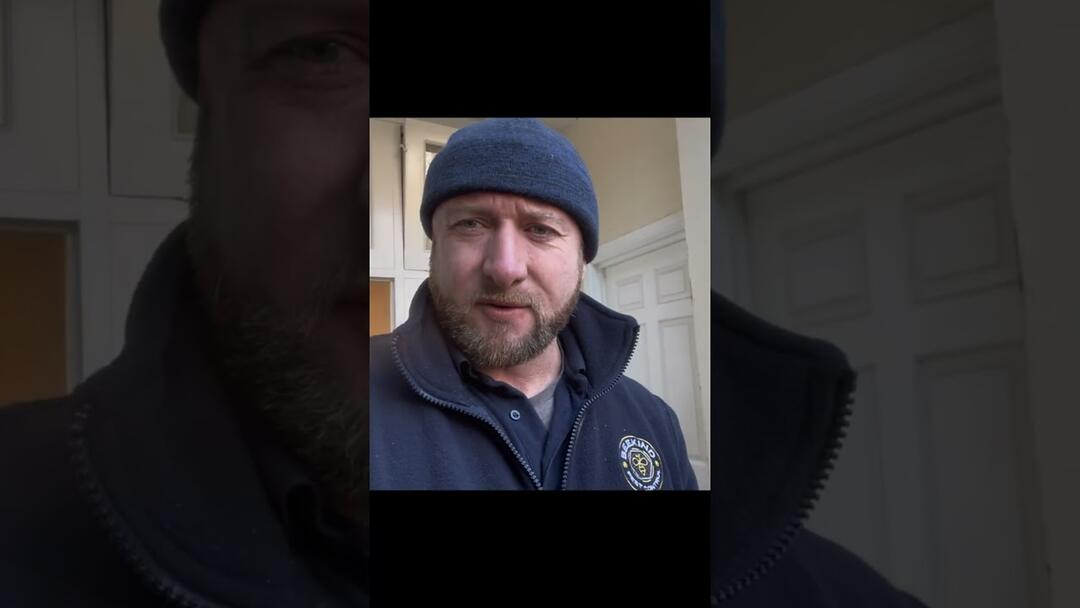
Video: How do rats get out of the sewers and into your home?, from BEEKIND Pest Control.
Common Questions in Lake Worth Beach
What owners, landlords and tenants in this city ask first.
Old houses
How long does it take to get rid of rats in a house this old?
Two to three weeks is normal, and it is the trapping that sets the pace rather than the sealing. UF/IFAS advises leaving traps in place at least a week because roof rats are wary of new objects, and a house with six or seven openings on a canopied street usually has more than one animal. HomeGuide puts trapping a small number at two to three days and a severe infestation at one to two months. Non-active openings are closed on the first visit so the work is not all waiting.
Is there any point sealing if the wood is soft?
No, and a contractor who seals over soft fascia or rotten rafter tail ends is selling you a repeat visit. Steel mesh and metal fixed to sound timber holds; the same work fixed to rotten wood comes away. Where the inspection finds decay, the honest answer is carpentry first, and the findings should say which boards. That is a separate trade and a separate cost, and it is cheaper than paying twice for the same closure.
Rentals and neighbors
I rent my house out. Who arranges this?
The owner, in almost every case, since the openings are part of the building. The tenant's part is reporting what they hear and see and keeping food in sealed containers. Traps are placed in attics, voids and the garage rather than in living space where there is a choice, and the written findings should go to the tenant as well as the owner. Keep the report and the photographs: a documented response is what protects a landlord if the complaint goes further.
My neighbor's garage is full of stored junk. Does that undo my work?
It keeps the pressure on and it does not stop your house being closed. A roof rat ranges about 150 yards from the den, so a neighbor's harborage is inside the same territory as your roof, and sealing to the quarter-inch standard is what decides whether yours is habitat. Do your own closures, keep your own feed and fruit managed, and trap on your own property. Where the problem is a nuisance property, the city's code office rather than a pest contractor is the route.
Still have a question? Call (561) 589-3578 and ask.
Nearby Areas We Serve
The contractors dispatched to Lake Worth Beach cover the neighboring towns as well, and the service area runs across the whole of Palm Beach County.
Book a Free Inspection in Lake Worth Beach
The inspection is free and ends with a counted list of openings, photographs and separate prices for each stage.