Rodent Removal in Palm Beach Gardens, FL
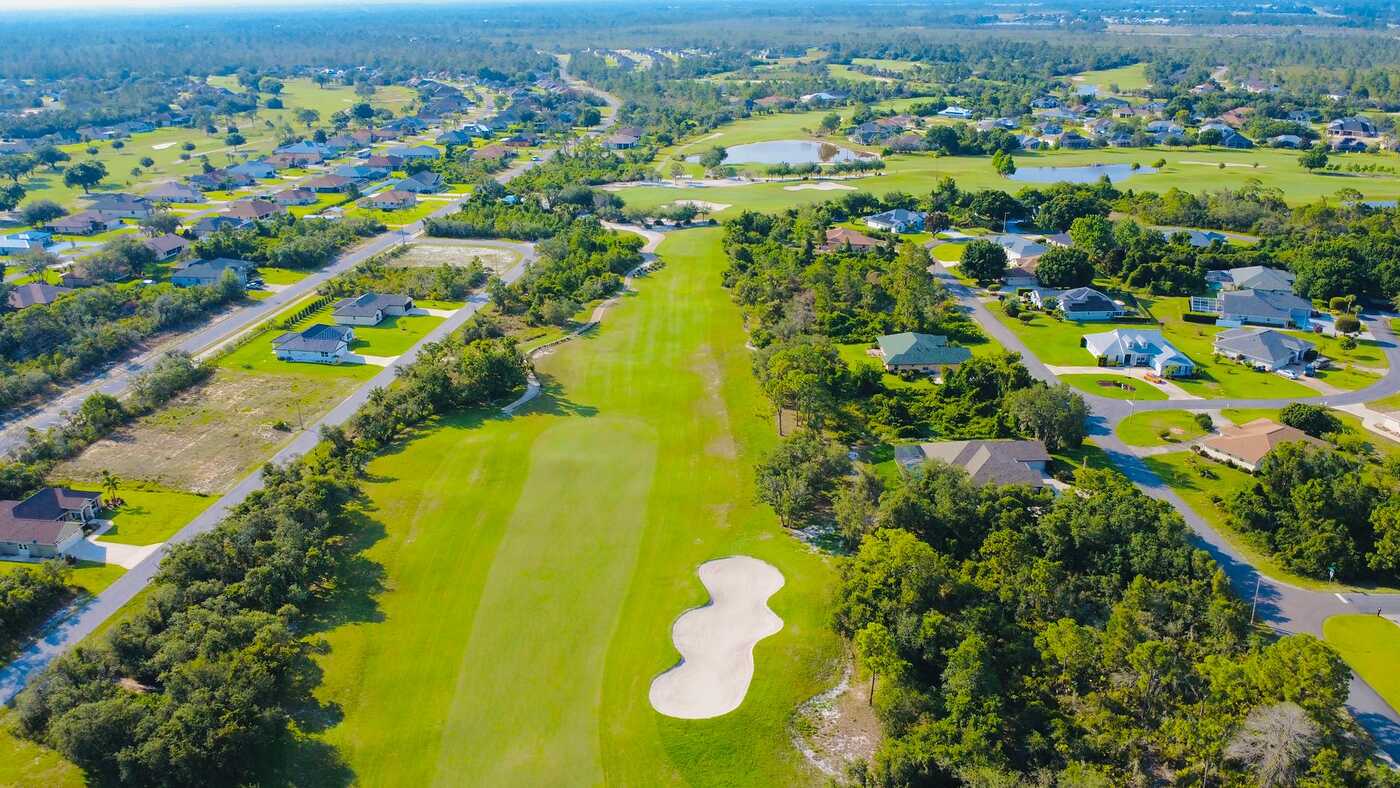
Palm Beach Gardens was planted as a garden city and it shows: heavy canopy over gated neighborhoods of tile-roofed homes. The eave course under that tile is where the work happens.
Free Inspection in Palm Beach Gardens
A free inspection here covers the tile eave line, the hips and ridges, the vents and penetrations, the attic, and the trees and hedges around the house, with a photograph and a location recorded for every opening found.
Palm Beach Gardens sits roughly eight miles north of downtown West Palm Beach along the PGA Boulevard corridor, well inside the area covered from the Clematis Street office. The phone is staffed at any hour and an inspection slot can usually be set for the next day or two. Book it through the contact page or by calling.
A city planned around its trees, and what that means
Palm Beach Gardens was laid out in the late 1950s as a planned garden city, with extensive tree planting from the start, and decades later that canopy is mature and continuous.
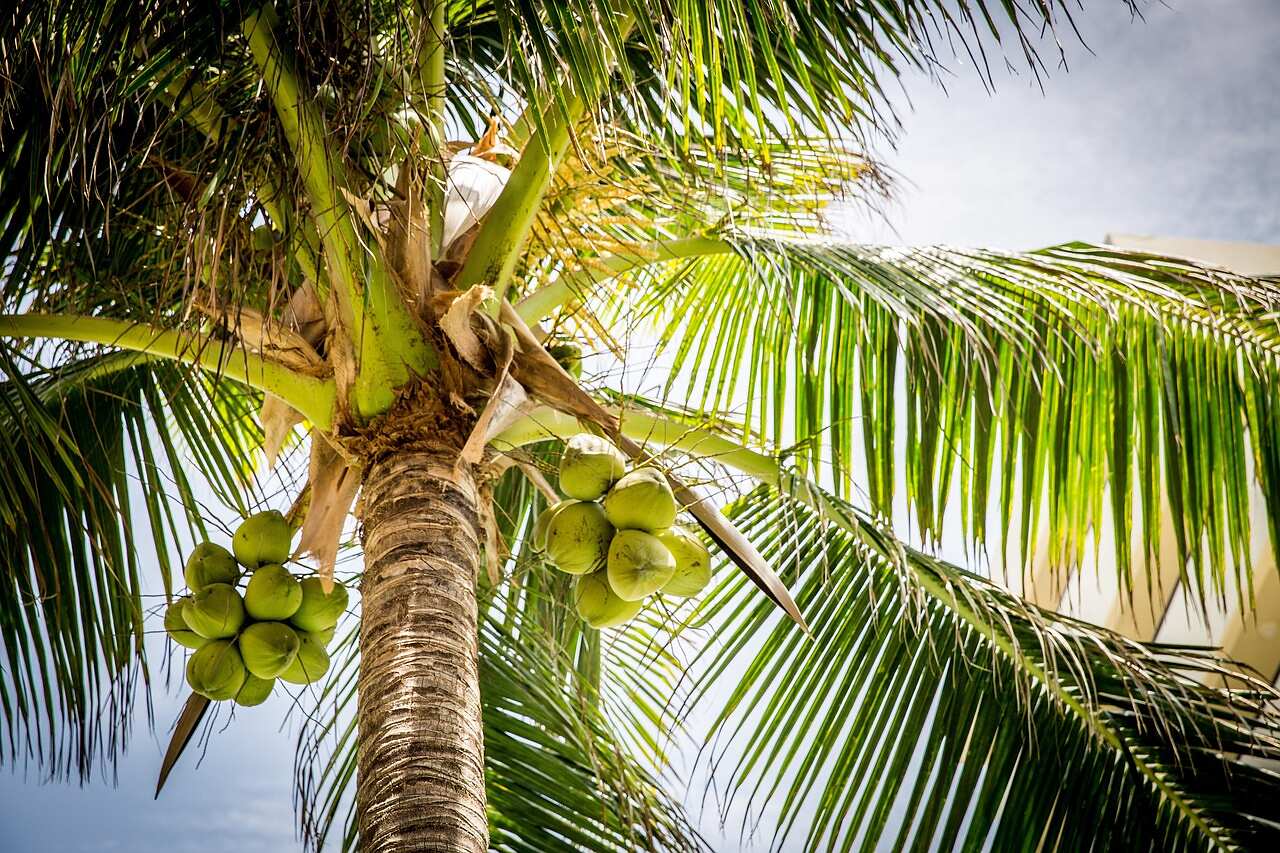
For an arboreal rodent this is close to perfect habitat. UF/IFAS describes the roof rat as traveling along branches, wires and palm trunks and working about 150 yards from its den, and in a neighborhood where the street trees, the common-area planting and the back-yard canopy all touch, that range is a whole block without the animal ever coming to ground. Pines, oaks, banyans and palms carry the routes, and fruit trees in the yards keep the food supply running through the year: mango from roughly May into September, citrus from late fall into spring, avocado in between.
The result is pressure that does not let up. There is no winter die-off in this climate and no quiet season, so the variable is whether a given house is open. Two peaks show up in the call pattern: June to September, when extreme heat pushes animals into cooled attics and garages, and the mild stretch from November to February.
Gated communities, tile roofs and the approval that comes with them
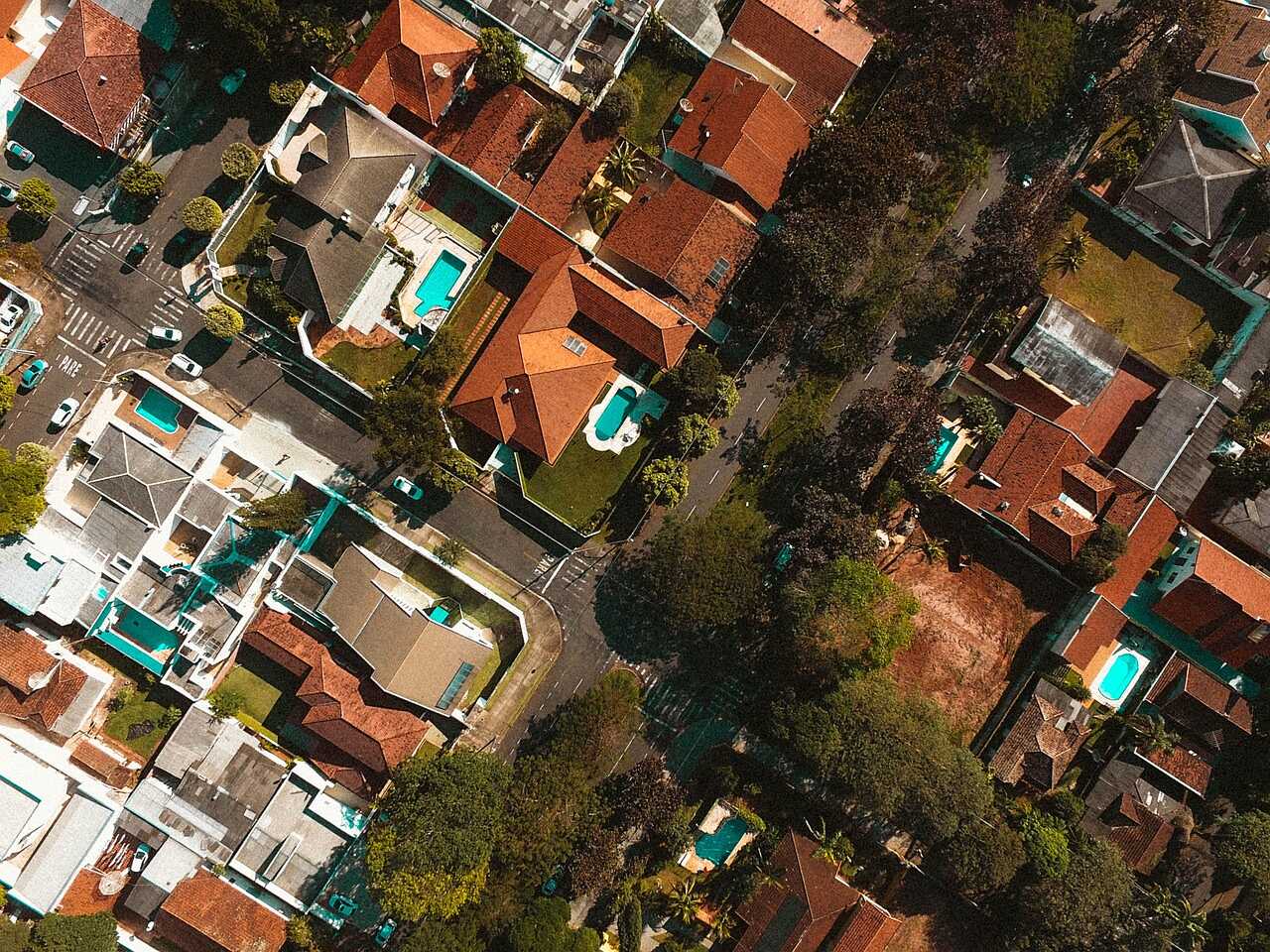
Much of the housing here is 1980s to 2000s block and stucco under barrel or flat concrete tile, inside gated communities with architectural review.
Concrete and clay barrel tile leaves curved openings at the eaves, the hips and the ridges unless a bird stop or a mortar closure is fitted, and those openings are quarter to half an inch, which a roof rat passes through easily. On a golf-course community built in this period it is common to find the eave course open along the whole roof, unclosed since construction and unnoticed from the ground. Closing it is the single highest-value piece of work on most of these houses.
Because it is exterior work it usually needs architectural review board approval, and that is where months get lost. The approach that works is to prepare the application alongside the inspection: the bird stop is a manufactured metal part, typically 26 gauge galvanized or aluminum and sometimes ventilated with weep holes, available in a finish that matches the fascia, and eave closure of this type is one of the tile-roof measures the Department of Energy recommends. That is a far easier submission than a description of sealing work, and a board that can see the part approves faster.
The western edge and the preserve land beyond it
West of the developed neighborhoods the city runs up against preserve and slough land, which puts the newest subdivisions against undeveloped habitat.
A house on that edge has a different pressure profile from one in the middle of the city: more native cover close by, more rodent species in the landscape generally, and landscape beds and sound walls that give a ground-level animal a protected route to the slab line. Norway rats, the ground-dwelling and burrowing species, turn up more often along canal banks and drainage structures out there, while roof rats still dominate in the rooflines.
The practical consequence is that the inspection on a western-edge house covers the slab line, the garage, the irrigation and utility penetrations at grade, and any burrowing along a wall, rather than only the eave. Which species is present is settled from the droppings and the damage before any work is quoted: the roof rat's droppings are a quarter to half an inch long with pointed ends, and burrowing along a foundation points the other way.
What We Handle in Palm Beach Gardens
Most Palm Beach Gardens jobs are a tile eave closure with a short trapping program in front of it.
- Rodent inspection: the eave line elevation by elevation, hips, ridges, vents, attic and the trees reaching the roof.
- Roof rat removal: trapping along the attic top plates where the runs are, left in place long enough to work.
- Rodent exclusion: bird stop fitted to the open tile course, mesh behind vents, metal at penetrations.
- Condo and HOA rodent control: the architectural review application and the building-line scope in a gated community.
- Attic insulation replacement: where blown-in material has been flattened into runs and soaked.
- Post-storm rodent inspection: tile fields and soffit lines checked after wind damage.
A Typical Palm Beach Gardens Job
The situation: A 1997 block and stucco home in a gated golf community off PGA Boulevard, barrel tile roof, blown-in insulation in the attic, oaks and palms over the rear elevation, and an architectural review board that signs off anything touching the exterior. The owner hears running above the family room in the early evening and has found droppings on top of a garage storage cabinet.
What gets done: The inspection finds the eave course open along three elevations with no bird stop fitted anywhere on the house, a loose ridge vent section, and a gap where a satellite cable was run through the soffit. The attic shows flattened runs in the insulation along the rear top plate and a nest in the corner nearest the oaks. The cable penetration and the ridge vent are closed on the first visit, traps go along the rear run and in the garage, and the architectural review application for a galvanized bird stop in a bronze finish to match the fascia goes in the same week with a product sheet attached.
How it turns out: Five animals over ten days. Approval comes back in under three weeks and the eave course is closed along all three elevations in a single day. Two joist bays of soiled insulation are bagged and topped up, and the owner's landscaper lifts the oak limbs clear of the tile that month.
What This Costs in Palm Beach Gardens
Costs here are driven by the length of tile eave that has to be closed, and the free inspection measures it before any figure is written.
| What is being quoted | Typical band | Where the figure comes from |
|---|---|---|
| Trapping the animals already inside | $250 to $1,200 | HomeGuide 2026, national |
| Exclusion including tile eave closure | $500 to $2,500 | HomeGuide 2026, national |
| Exclusion, nearest Florida published figures | $550 to $1,642 | Angi, Tampa figures |
| Insulation removal and replacement | $600 to $1,200, plus $1,000 to $3,000 to replace | Angi, Tampa figures |
| Attic cleanup and decontamination | $600 to $2,500 | HomeGuide 2026, national |
Tile work sits in the upper half of the exclusion band because the eave is closed along its full length rather than at a few points, and a two-story house with a complex hip roof costs more than a single-story ranch. What pulls a figure down is a house where only one elevation is open. Ask for the eave closure priced by elevation and by linear foot, and treat a single bundled number on a tile roof as a figure nobody can check.
Book a free inspection in your town
Palm Beach County is covered end to end. Leave a name and number, or call, and the dispatcher books the nearest licensed contractor for a free roofline and attic walk.
Keeping rodents out once they are gone
Three approaches, and why sealing is the one that lasts.
Video: 3 Ways To Get Rid Of Mice or Rats, And Keep Them Out!, from Everything Homestead.
Common Questions in Palm Beach Gardens
What callers from the Gardens ask before they book.
The tile roof
What is a bird stop and does my roof need one?
It is the closure that fills the half-round gap under the first course of barrel or flat tile at the eave, typically a 26 gauge galvanized or aluminum part, sometimes ventilated with weep holes. On 1980s to 2000s tile stock it is very often missing or broken, which leaves an opening along the whole edge of the roof that a roof rat passes through easily. Eave closure of this type is one of the tile-roof measures the Department of Energy recommends. Whether yours needs one is a five-minute answer from a ladder.
Can I just foam the tile openings myself?
It will not hold and it can cause a second problem. Rodents chew through expanding foam, and filling the eave of a tile roof can block the ventilation path the assembly depends on, which in this climate matters. The correct part is a metal bird stop or a mortar closure fitted properly, and on a tile roof that is ladder and roofing work rather than a weekend job. Foam that is already in place usually has to come out before the real closure goes in.
HOA and timing
Does my HOA have to approve the eave closure?
In a gated community with architectural review, almost certainly yes, since it is exterior work. The way to keep it short is to submit a complete application with the product specification and the finish named, which is straightforward because a bird stop is a manufactured part in a matching color rather than an improvised repair. The contractor prepares that paperwork alongside the inspection findings. Interior sealing and trapping do not wait for the board and start immediately.
How long does the whole job take here?
Two to four weeks end to end on a typical gated-community house, with the approval usually the longest single item. Trapping runs at least a week because roof rats will not approach a new object quickly, the non-active openings close on the first visit, and the eave course is fitted once the catch stops and the board has signed off. HomeGuide puts trapping a few animals at two to three days, which is the part people expect to be the whole job and is not.
Still have a question? Call (561) 589-3578 and ask.
Nearby Areas We Serve
The contractors dispatched to Palm Beach Gardens cover the neighboring towns as well, and the service area runs across the whole of Palm Beach County.
Book a Free Inspection in Palm Beach Gardens
The inspection costs nothing and produces the closure count, the trapping plan and the review paperwork in one visit.