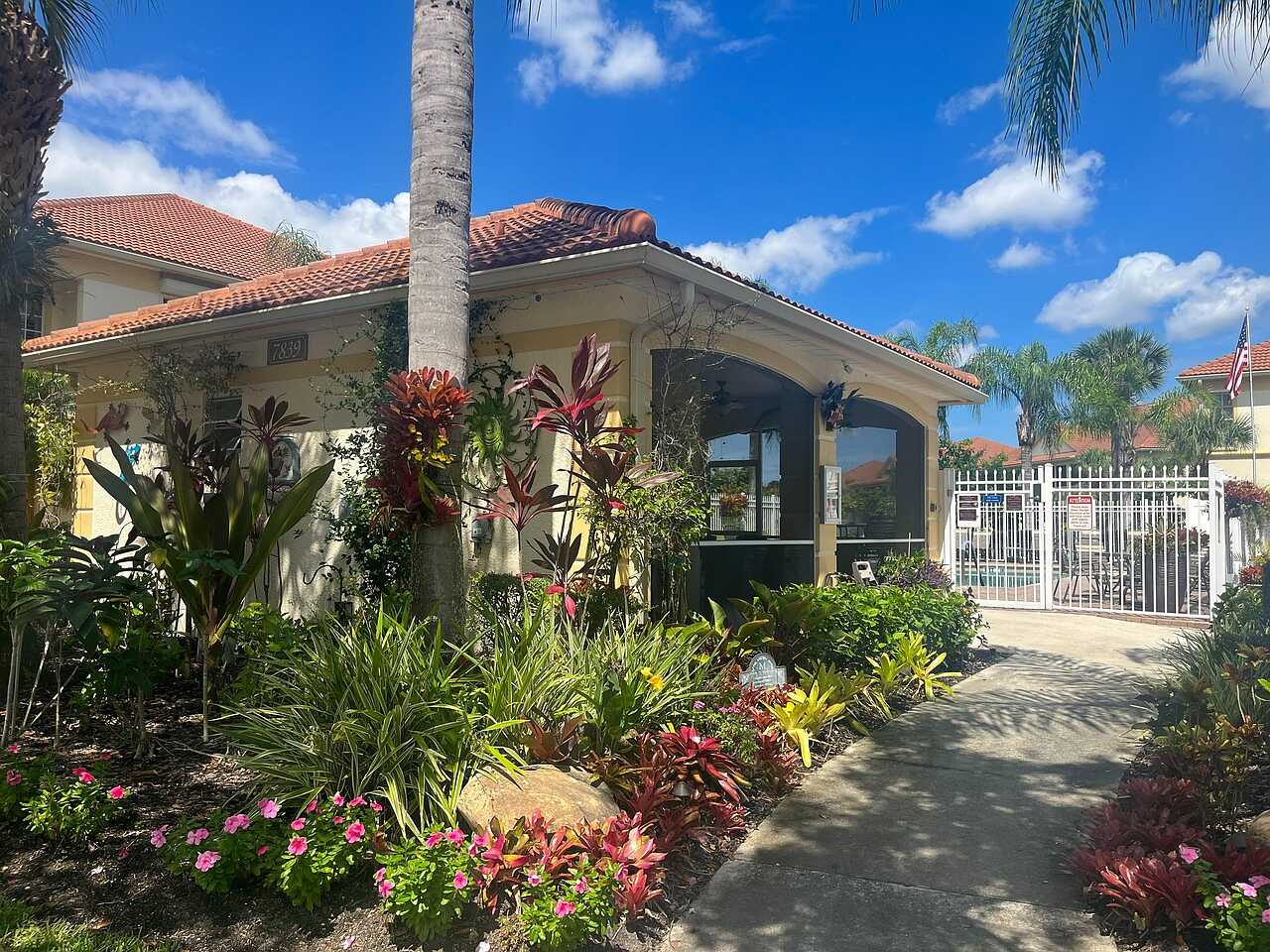
Condo and HOA Rodent Control in West Palm Beach, FL
In a condo or a gated community the rodents are in your ceiling and the opening they used belongs to the association. This is the work of getting both halves handled without waiting a season for a board meeting.
What condo and HOA rodent control in West Palm Beach includes
The service is two jobs run in parallel: everything inside your unit that you control, and a documented request for the openings in association property that you do not.
Inside the unit the work is specific and small. Pipe chases under sinks and behind laundry boxes, the gap where a dryer vent passes the wall, air handler closets and their return voids, kitchen soffits and cabinet kick spaces, a bathroom access panel, and the cavity around a recessed light where a ceiling void is shared. Traps go in the voids that show activity, and the contractor identifies the species from the droppings so the association knows whether it is dealing with a roofline problem or a ground-level one.
On the association side the deliverable is paperwork that a manager can act on: the location of each opening, a photograph, what it is, what closing it requires, and whether it affects one stack or the whole building line. Where the community has an architectural review board, the application for a vent screen or an eave closure is prepared at the same time rather than discovered later. That single step is usually what decides whether the work happens in three weeks or next year.
Who owns the opening in a Florida condo or HOA community
In nearly every case the exterior is association property and the inside of your unit is yours, which is why a rodent problem in a condo is a management matter as much as a pest matter.
The practical line falls roughly here. Roof, roof tiles and the eave course, soffits and fascia, exterior walls and stucco, exterior vents and louvers, the common attic or ceiling void above a building line, landscaping and trees, trash rooms and dumpster enclosures, and utility chases that serve more than one unit are association responsibilities. Interior walls, your cabinets and fixtures, the inside face of your unit and the penetrations you made are yours. Your own declaration and bylaws are the authority, and they differ building to building, so the right answer always comes from reading yours.
What follows from that split is the thing owners find frustrating: sealing your unit does not close the building. An animal in the common void above a four-unit building line will move to the next ceiling. A roof rat ranges about 150 yards from its den, as UF/IFAS describes, which in a condo community is several buildings. Effective work addresses the building line or the roof level, which means the association has to act.
What the manager needs from you
Managers act on specifics. A written request with the date, the unit, the symptom, the inspection findings, a photograph of each opening with its location, and a plain statement of what is being asked for moves faster than a phone call describing noise. Keeping a copy matters too, since a documented request is what protects an owner if activity continues or if interior damage follows.
The West Palm Beach buildings this comes up in
Three kinds of association property dominate the calls in this city, and the rodent route is different in each.
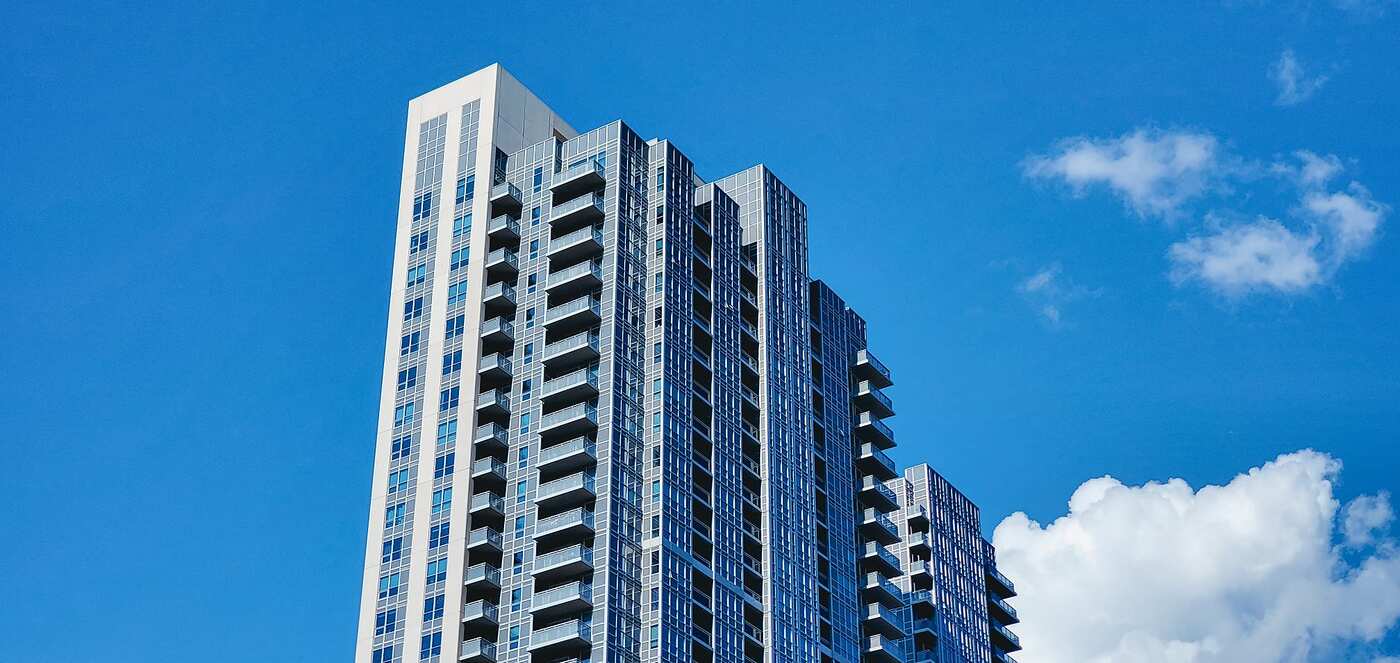
- Downtown towers built since about 2015 along Flagler Drive and Okeechobee Boulevard: no attic at all, so the routes are vertical chases, trash rooms, loading bays, garage podiums and landscaped terraces. Activity in a high unit almost always traces to a chase or a garage level rather than to a roof.
- Older and mid-rise condo buildings and converted duplexes: ceiling voids shared along a building line, exterior louvers and dryer vents without screens, and flat or low-slope roofs with parapets and penetrations. These are the buildings where one owner's problem is four owners' problem.
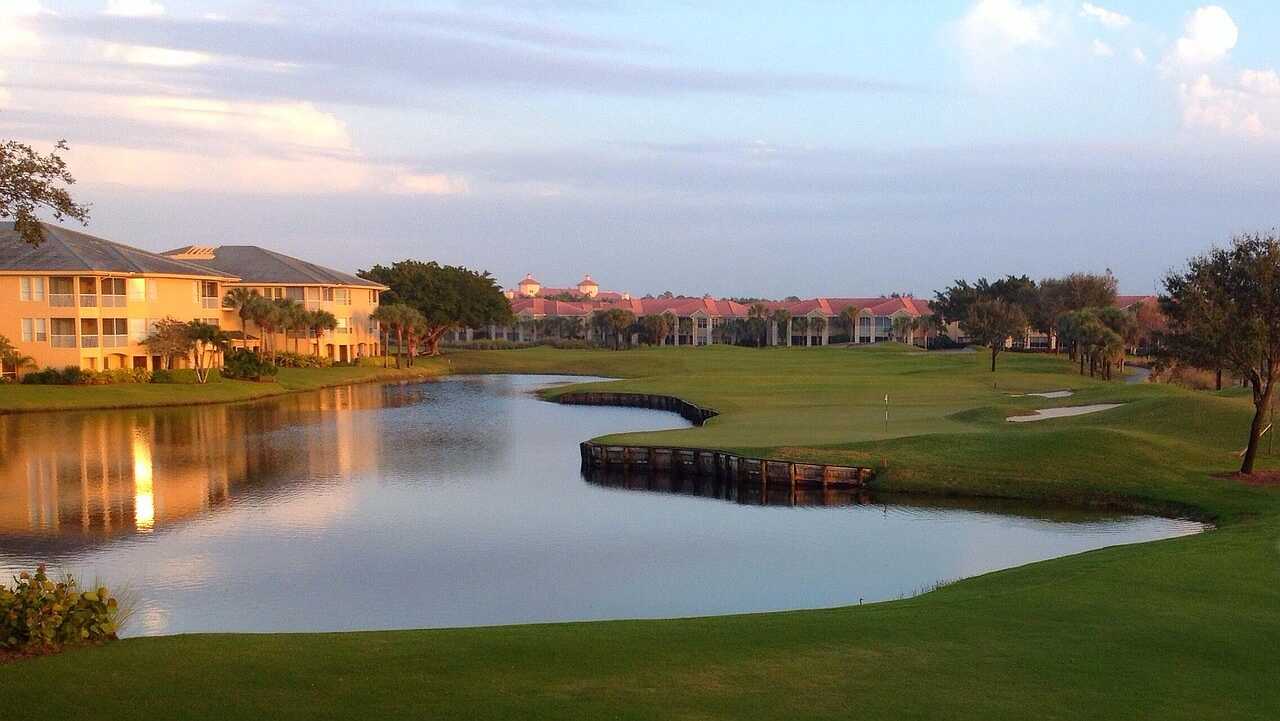
- Gated golf and country club communities on the west side: single-family and villa stock from the 1990s and 2000s, block and stucco under barrel or flat concrete tile, with an architectural review board that signs off exterior changes. The eave course under the first row of tile is the entry, and closing it is exterior work that needs approval.
Roughly forty-four percent of the housing units in the city are in large apartment complexes or high-rises, and a listing aggregator counts fifteen gated communities inside the city limits, so association property is the normal case here rather than the exception. The county's villa and townhouse stock adds attached roofs where the eave runs continuously across several owners.
How the work gets sequenced when two parties have to agree
The unit-side work starts immediately, the association request goes out the same day, and the roofline closure happens when approval arrives, with trapping running through the whole period.
Waiting for the association before doing anything is the mistake that costs owners months. Trapping inside a unit and sealing the interior penetrations is yours to authorize and reduces what is in your ceiling now. Meanwhile the written request is with the manager, and in a community with an architectural review board the application for a bird stop or a vent screen is already drafted.
Why a whole building line gets addressed at once
Closing one unit in a shared void is moving a problem sideways. Where the ceiling void or the attic runs across several units, the association's interest is to have the full roofline closed and the whole void trapped, and the cost per unit is far lower that way than four separate service calls. A contractor on this line will put that argument in writing in terms a board can use, with the published bands attached so the numbers are checkable.
Materials that pass architectural review
An eave closure in a tile roof is a code-recognized building component, typically a galvanized or aluminum bird stop, sometimes a ventilated version with weep holes, and bird stopping is listed in Department of Energy guidance among the measures recommended for tile roofs. It is a manufactured metal part in a finish that can be matched, which is a far easier conversation with a review board than a line of expanding foam along the eave would be. Foam is also the wrong material on the merits: rodents chew through it and it can block roof ventilation.
What condo and HOA rodent work costs in West Palm Beach
A unit-side job is the smallest piece of work in this trade, and a building-line or community job is quoted per building after a walk-through, with the published bands as the reference.
| Scope | Published band | Source |
|---|---|---|
| Inspection and written findings | Free here; $0 to $175 nationally | HomeGuide 2026, national |
| Trapping inside a unit or a void | $250 to $1,200 | HomeGuide 2026, national |
| Exclusion work on a building envelope | $500 to $2,500 | HomeGuide 2026, national |
| Exclusion, Florida reference | $550 to $1,642 | Angi, Tampa figures |
| Void or attic cleanup where material is soiled | $600 to $2,500 | HomeGuide 2026, national |
Three things decide where a condo job lands. The first is how much of the work is unit-side: interior sealing and trapping in a single unit sits at the bottom of the trapping band. The second is whether the association is closing a building line or a whole community roofline, which is quoted per building and divided across the units rather than charged per call. The third is access, since high-level work, a lift, or a roof with a parapet costs more than a ladder at a villa eave.
For a board, the useful comparison is a closed roofline against repeat service calls from individual owners. The closure is a one-time capital item with a published band behind it; the service calls recur every season. Ask for both figures in writing and put them side by side.
Why this is a West Palm Beach problem in particular
The local combination is roof rats that climb, a tile roof detail that leaves a gap, and a housing market where most of the roofline belongs to someone else.
The roof rat is Florida's dominant rodent pest and is fully arboreal, traveling along branches, wires and palm trunks, which means it arrives at the roof rather than at the door. The barrel and flat concrete tile that covers most of the county's 1980s to 2000s stock leaves curved openings at the eave, the hips and the ridge unless a bird stop or a mortar closure is fitted, and a roof rat gets through a gap the size of a quarter. Add mature landscaping planted for privacy, ficus hedges and palms touching parapets, and year-round fruit in the common areas, and the access is continuous.
Season adds two peaks rather than one. Summer heat from June to September pushes animals into cooled voids and garages, and the mild weather from November to February is the second. There is no winter die-off, so a community never gets a clear month. Hurricane season from June to November opens soffit and fascia lines and tile fields on association roofs, which is the same conversation from a different direction and is covered under post-storm rodent inspection.
One fact matters for owners who have been told otherwise. No West Palm Beach or Palm Beach County ordinance specific to rodents was found, so the rules that govern your situation are your declaration, your bylaws and state pest control law rather than a city code section.
What an owner or a board should check on the contractor
Check the FDACS credential, the scope split and the documentation, and for a board add insurance and references from other communities.
- Trapping rats or mice in, on or under a structure for hire in Florida requires at minimum an FDACS Limited Wildlife Management Certificate, and applying rodenticide for hire requires an FDACS-licensed business with a certified operator. Every contractor we route holds the credential the job calls for; confirm the number through the FDACS lookup before work starts.
- Ask for the findings split into unit-side items and association items, as two lists with photographs.
- Ask what material the eave or vent closure uses. The answer should be galvanized or aluminum bird stop and steel mesh. Foam has no place in the specification.
- Ask whether the proposal addresses the building line or only your unit, and what changes if the neighbors do nothing.
- Boards should ask for certificates of insurance, a written scope per building, and references from two other Palm Beach County communities.
- Ask who fills in the architectural review application and who follows it up.
The work usually pairs with rodent exclusion for the sealing and rodent inspection for the written findings, and a board or a closing may want the result recorded as a clearance letter. The about page explains how the line works and the contact page has the hours.
Services that run alongside this one
A West Palm Beach rodent job is rarely one service on its own; these are the steps that usually sit before or after this one.
- Rodent Exclusion: Closing the tile eave with a metal bird stop, then every vent, soffit return and line-set sleeve, to the quarter-inch standard.
- Rodent Inspection: A free walk of the eave course, the attic and the yard trees that sets the order of the job and produces the written quote.
- Attic Cleanup and Decontamination: Droppings, nests and urine-soaked insulation bagged out of a baking attic, and the surfaces beneath them treated.
The about page explains how the line works and which credential to check, and the phone is answered at any hour.
Pest control in a food premises
The standard a commercial kitchen is held to.
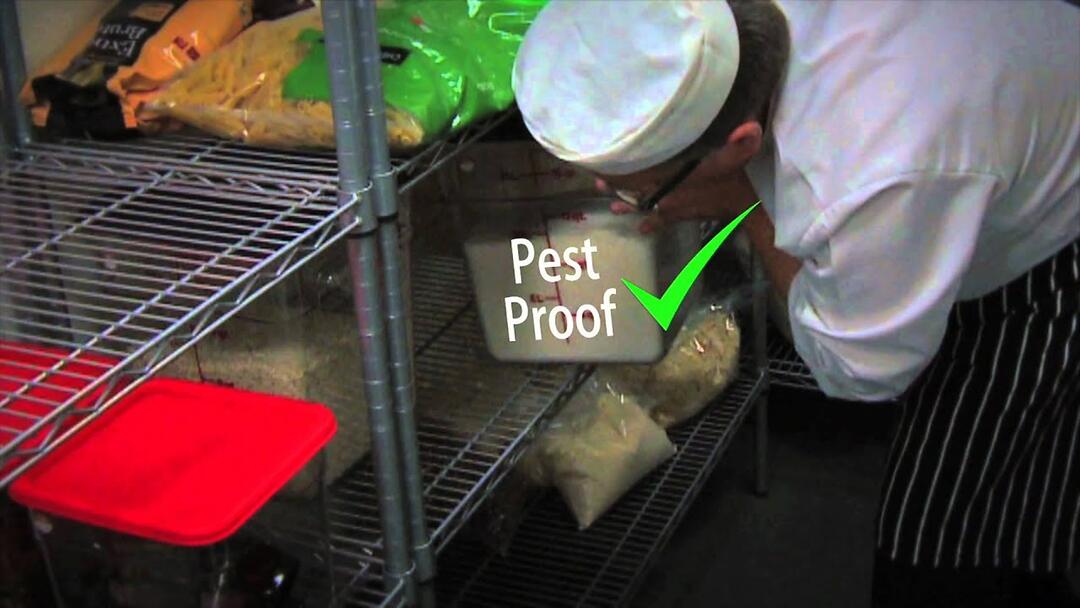
Video: Food safety coaching: pest control, from Food Standards Agency.
How a condo or HOA job runs
Five steps designed so the owner is never waiting on a board meeting to get anything done.
-
Free inspection of unit and building
The unit is inspected and the building exterior is checked from the ground and a ladder, with the species identified from droppings and damage.
-
Two lists, written the same day
Findings are split into what you can authorize and what the association owns, each item photographed with its location and what closing it needs.
-
Unit-side work and trapping
Interior penetrations are sealed and traps go on the active runs in the voids, staying in place at least a week since roof rats avoid new objects.
-
The association request and the review form
The written request goes to the manager and, where a review board exists, the architectural application for the eave or vent closure is prepared with it.
-
Roofline closure on approval
Once approval is in hand the eave course, vents and penetrations are closed in metal and steel mesh, across the building line rather than one unit.
What to expect
A condo visit is built around the fact that two parties have to act.
- An inspection that covers your unit and the building exterior around it
- Your findings and the association findings as two separate written lists
- Photographs with locations, in a form a manager can forward to a board
- Interior sealing and trapping done on the first visit where access allows
- An architectural review application prepared for any exterior closure
Why association work goes through this line
The paperwork is half the job and it gets done
A written request with photographs, locations and a stated ask is what moves a property manager, and an architectural review application prepared in advance is what stops a tile eave closure from sitting for a season. Most owners lose months because nobody wrote the request in a form a board could vote on.
Bird stopping is listed in Department of Energy guidance among the measures recommended for tile roofs, which is the named part a board approves
Your unit does not wait for the board
Interior sealing and trapping start on the first visit under your own authority, which reduces what is in your ceiling while the association item is in process. Owners who hold everything until the exterior is approved spend the whole wait listening to the same noise.
UF/IFAS: leave traps in place at least a week, since roof rats are wary of new objects
A building line is priced as a building line
Where a ceiling void runs across several units, a proposal covers the roofline and the whole void rather than one unit, with the published bands attached so a board can check the arithmetic. Per unit it costs far less than four separate service calls, and it is the only version that ends the activity.
UF/IFAS: roof rats range about 150 yards from the den, which covers several buildings in a community
What Reddit Says About Condo and HOA Rodent Problems in West Palm Beach
The condo threads are about jurisdiction more than about rats. Owners describe hearing activity in the ceiling, calling a company, being told the entry is in the roof or the soffit, and then discovering that the roof is not theirs. The frustration in those posts is not with the rodents, it is with a manager who has not replied in two weeks.
What works, according to the people who got it resolved, is documentation. Photographs, locations, dates, a written request rather than a call, and a copy kept. Several describe sending the contractor's findings straight to the manager and getting action within days after weeks of nothing. The ones who gave up and sealed only their own unit mostly report the noise coming back in a different room.
Red flags they name: a company that quotes a full exclusion on a condo unit without mentioning that the exterior is association property; a technician who will not put findings in writing; a board that responds with monthly bait stations in the trash room and no roofline work; and a neighbor-blaming answer with no inspection behind it.
The questions they tell each other to ask: who owns this opening under my declaration, does the ceiling void run into the next unit, will you write the findings so I can forward them, and what does it cost for the whole building line instead of my unit. Owners in gated single-family communities add one more: what does the architectural review board need to approve a bird stop, and who fills in the form.
The free inspection here produces the two written lists and the review application those threads keep telling people to get.
A typical call from a villa in a gated community west of the city
The situation: An attached villa from the late 1990s in a gated community off Okeechobee Boulevard, block and stucco under barrel tile, with a continuous roof across four units and an architectural review board that approves exterior changes. The owner hears running above the guest bedroom ceiling in the evening, has been told by the management company that pest control is a unit responsibility, and has already had a company trap for two weeks with the noise returning.
What gets done: The inspection identifies roof rat droppings on the top plate, finds an open eave course along the shared roofline with no bird stop fitted at any of the four units, and a gable vent with corroded mesh at the end unit. The unit-side list is short: a laundry box penetration and an air handler closet gap, both sealed that day, with traps set on the top plate run above the guest room. The association list goes out the same afternoon with photographs of the eave line and the vent, a note that the void is continuous across the four units, and a drafted architectural review application for a galvanized bird stop in a matching finish, with the published exclusion band attached for the board.
How it turns out: Two animals out in nine days and the noise stops. The board approves the eave closure for the building rather than the unit at its next meeting, the four-unit roofline is closed in one visit, and the per-unit figure is a fraction of what four individual service calls had been costing the building.
Book the free inspection for this service
Describe what you hear and where, and a dispatcher lines up the nearest FDACS-licensed contractor. The phone is answered at every hour and the inspection carries no charge.
Condo and HOA questions from Palm Beach County
What owners, managers and board members ask before anything gets authorized.
Responsibility
Is rodent control the association's job or mine?
Your declaration and bylaws decide it, and the usual split is that the inside of your unit is yours and the exterior is the association's: roof and tile, soffit and fascia, exterior walls, exterior vents, common voids, landscaping and trash areas. That means the trapping and the interior sealing are normally yours to authorize and the opening the animal used is normally theirs to close. Read your own documents, then send the findings in writing so the association is deciding from photographs rather than from a description.
My management company says it is my problem. What do I do?
Send the inspection findings in writing, with a photograph and a location for each opening in association property and a plain statement of what you are asking for. Keep a copy with the date. A documented request changes the conversation from a complaint about noise into a maintenance item about a specific eave section or vent, and it is also the record that matters if the activity continues or causes interior damage. Meanwhile authorize the unit-side work so something is happening.
Can I get the roofline sealed myself if the board will not act?
Not on association property without permission, and doing it anyway risks a violation and the cost of reversal. What you can do is seal every penetration inside your unit, trap the void you have access to, and keep the written request and the architectural review application current. Some owners get further by framing it for the board as a building-line quote with published bands attached, since a one-time closure compares well against recurring service calls from several units.
Buildings and method
There is no attic in my tower. Where are they coming from?
Vertical chases, trash rooms, loading bays, garage podiums and planted terraces, which is a different problem from a house. In a post-2015 downtown building the activity in a high unit usually traces to a riser chase or a service level rather than to the roof, and the fix is closing penetrations at the floor and chase level plus the building's waste handling. The inspection follows the chase, and the findings go to building management because every one of those spaces is association property.
Will sealing my unit work if my neighbors do nothing?
It protects your unit and it does not end the activity in a shared void. Where the ceiling void or attic runs across a building line, the animals move to the next ceiling, and a roof rat ranging about 150 yards from the den, as UF/IFAS describes, treats the whole community as one territory. The version that works is the building line or the community roofline closed at once, which is also cheaper per unit. Your sealing and trapping are still worth doing on day one.
Still have a question? Call (561) 589-3578 and ask.

Book a free inspection for your unit or your community
The inspection produces the unit list, the association list and the review paperwork at no cost. Call at any hour, owner or board.