Rodent Removal in Old Northwood
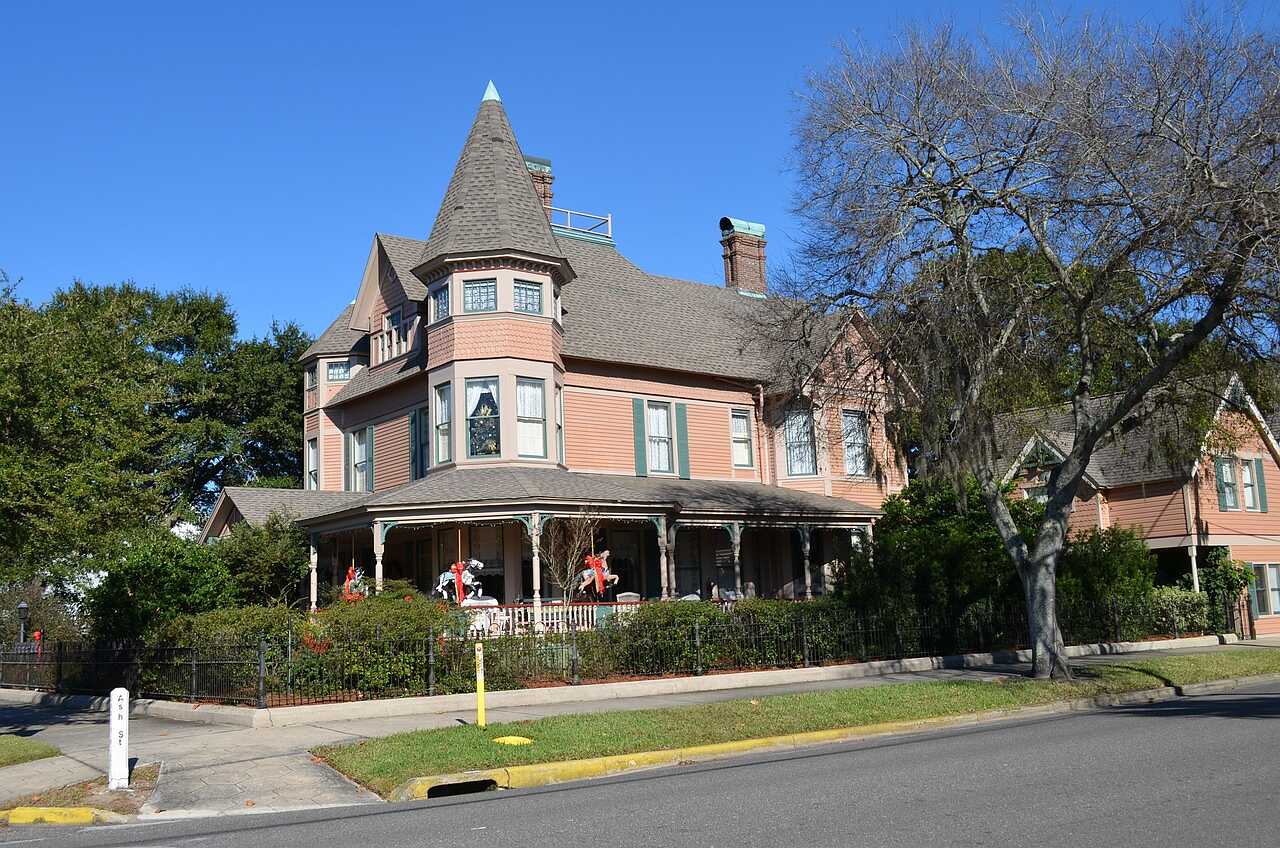
North of downtown, Old Northwood is a compact historic district of 1920s houses on small lots with old fruit trees between them. Short distances between roofs are what make the problem persistent here.
Why small lots make this a neighborhood problem
Old Northwood houses sit close together on narrow lots, which puts several rooflines inside the range a single roof rat works.
UF/IFAS puts the roof rat's travel at about 150 yards from the den. On a grid of small lots that is most of the district, so an animal denning in one attic forages across a dozen properties and every open eave on the block is part of the same problem. Owners here often report that a neighbor had rats last year and describe their own as a separate event, when the likelier explanation is one population using whichever roof is open this season.
The practical consequence is that the sealing standard matters more than the trapping count. A house closed to the quarter-inch standard UF/IFAS publishes stops being habitat even while the block still has animals moving through it. Where two or three neighbors close their houses in the same season, the difference is noticeable on the whole street.
The 1920s houses and where they open up
The district mixes frame vernacular houses with Mediterranean Revival masonry, both from the boom era, and each has its own weak points.
- Wood soffits and fascia with joints that have opened, the most common finding on the frame houses.
- Original roof and gable vents whose screening has corroded, usually failing first at the bottom edge.
- Barrel tile on the masonry houses with no bird stop at the first course, leaving the eave open along its length.
- Porch roofs and later additions meeting the original structure at a junction that was never closed properly.
- Raised floor structures on a few of the oldest houses, with vents and a hatch that need hardware cloth.
- Window air conditioner openings and old wall penetrations in houses that have been split into apartments.
The attics are small and lightly insulated, so evidence is easy to read. Droppings a quarter to half an inch long with pointed ends, as UF/IFAS describes them, along with grease marks on the top plates, tell the contractor which runs are live before a single trap is set.
Fruit trees, and the part of this nobody wants to hear
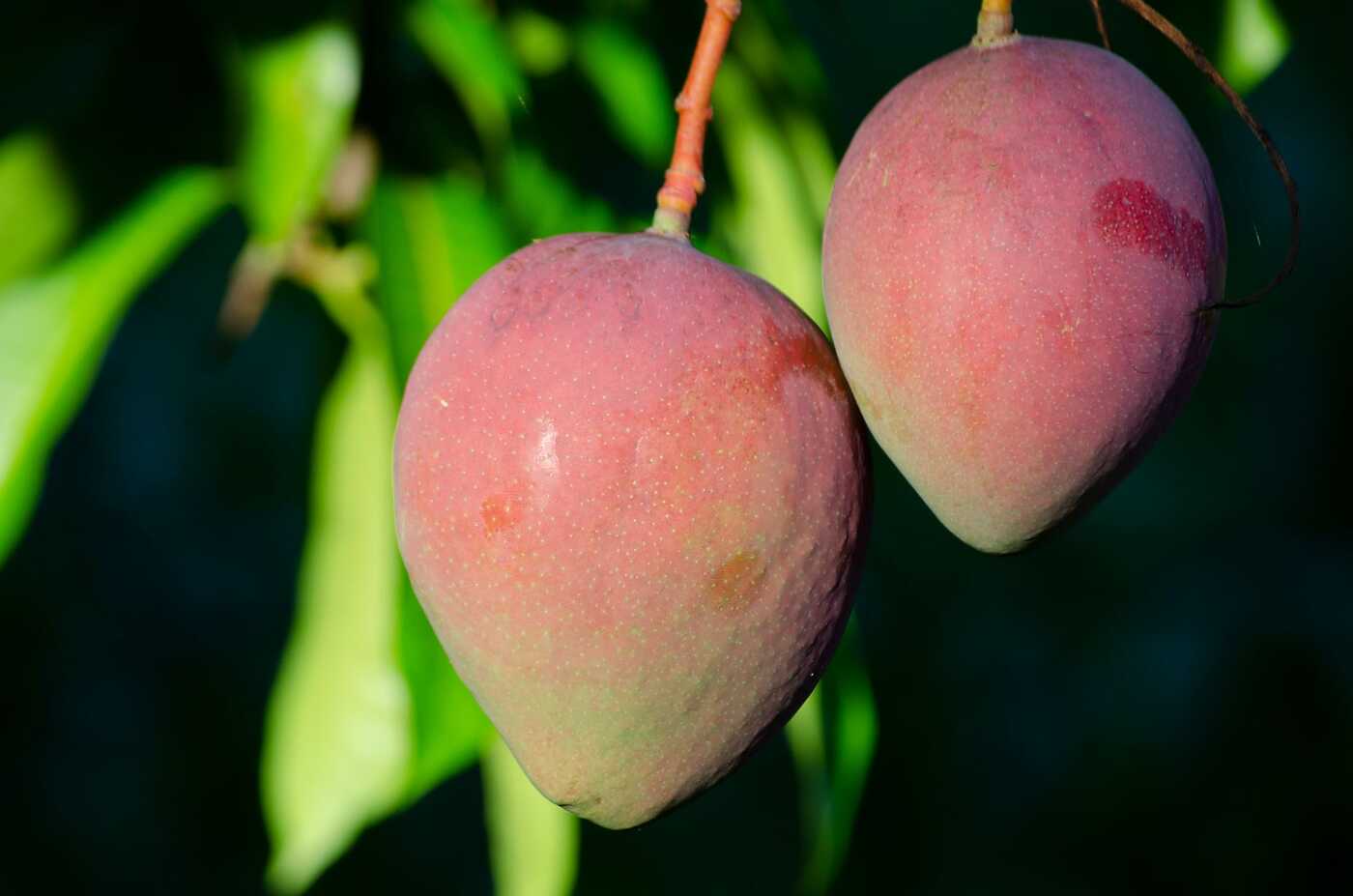
The old mango and avocado trees that make these yards pleasant are also a reliable food supply that keeps the local rodent population high all year.
Mango drops from roughly May into September here, citrus runs from late fall into spring, and avocado fills part of the gap in between. The roof rat is called the fruit rat and the palm rat locally for good reason, and UF/IFAS identifies it as Florida's most abundant and significant rodent pest. On a small lot the tree is frequently within reach of the roof, which means it supplies both the food and the route.
Nobody is suggesting removing a seventy-year-old mango. What changes the picture is picking fruit up off the ground rather than letting it lie, clearing branches back from the roofline and from the neighbor's roofline where it is your tree, keeping compost and green waste contained, and removing palm boot material where it has built up on trunks near the house. It is unglamorous work and it reduces the pressure more than any product sold for the purpose.
The sequence for the building itself is the usual one: a free inspection, then roof rat removal on the live runs, then rodent exclusion at the vents and the eave, with dead rodent removal where a previous bait plan has left something in a wall. The contact page lists the hours.
What the visit looks like on an Old Northwood house
Two or three short visits over a couple of weeks is the normal shape, starting with a ladder and an attic hatch.
The first visit maps the openings and the runs, closes whatever is not in active use, and sets traps along the top plates where the grease marks are. Traps stay at least a week because roof rats avoid anything new, which means a contractor who promises to finish in two days on this kind of house is promising something the animal does not cooperate with. The second visit clears the traps and closes the last openings. A third is needed only where an attic has to be cleaned or a nest has soaked the insulation.
Because these houses are close together and several have been converted to apartments over the years, the contractor will usually have something to say about the neighboring structure as well. That is information rather than a sales line: a closed house beside an open one still needs its own eave sound.
Materials that keep rodents out
A comparison of what actually holds at a gap.
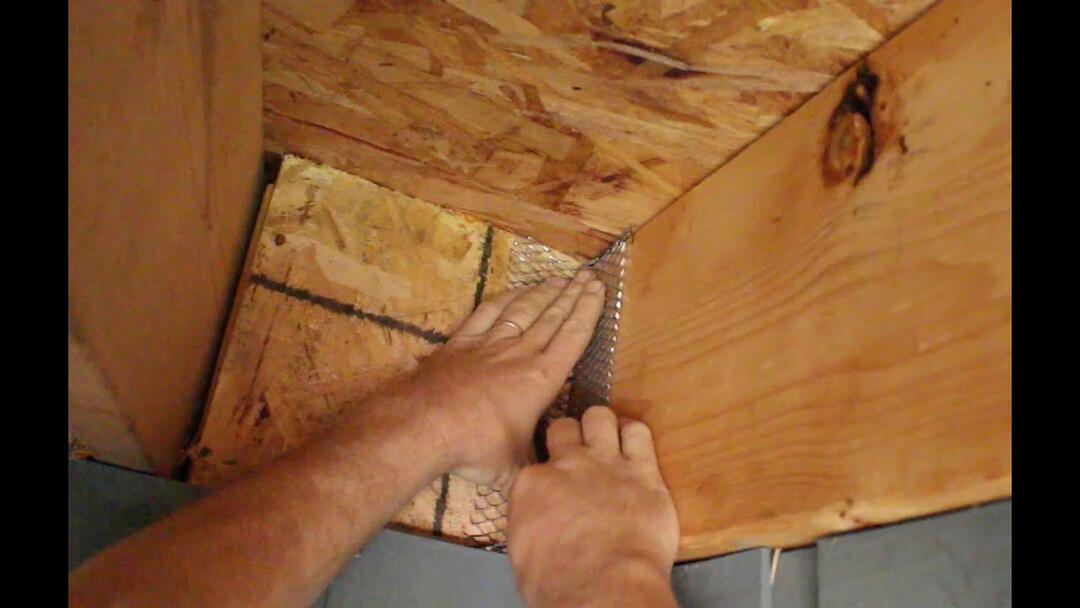
Video: How to keep mice out. Cheaper than hardware cloth, from Ontario Lakeside.
Why Old Northwood owners use this line
The block is treated as the context
A roof rat working this grid crosses several properties a night, so the findings describe where the animals are coming from as well as where they are getting in. That is the difference between a report that says four openings sealed and a report that tells you why the pressure will stay high until your own eave line is sound.
UF/IFAS: roof rats range about 150 yards from the den, which on small lots covers most of a district
Old screening gets replaced rather than patched
A corroded vent screen is the single most common finding on these houses and the most commonly bodged repair. Galvanized or stainless mesh fitted behind the original louver lasts and leaves the louver untouched, which is what a historic district street should look like from the sidewalk.
UF/IFAS: the rodent-proofing standard is a quarter inch, which rusted screening no longer meets
Fruit and palm management is in the report
Mango through the summer, citrus through the winter and avocado in between keep the population fed all year, and a branch touching a roof delivers it. The findings carry a short, specific list of fruit pickup, trimming and palm boot clearance rather than a vague instruction to tidy the yard.
UF/IFAS identifies the roof rat as Florida's most abundant and significant rodent pest, known locally as the fruit rat
A typical Old Northwood call
The situation: A 1926 frame house a few streets from the water, converted to an upstairs and downstairs apartment decades ago, wood soffits, a small attic over the upper floor, and a mango tree on the property line whose canopy reaches both roofs. The upstairs tenant reports running across the ceiling after dark, and the owner has been putting bait blocks in the attic hatch for a month with no change.
What gets done: The inspection finds an open soffit joint above the rear porch roof, a gable vent with the screen gone at the lower corner, and an old wall penetration behind an unused window unit opening. The attic has a run along the front top plate and a nest of shredded paper and mango seeds above the stair head. The bait is removed and bagged. The vent and the wall penetration are closed with mesh and metal on day one, traps go along the front run and in the nest corner, and the soffit joint is packed and capped once the catch stops. The trimming list covers the mango limbs over both roofs and the owner speaks to the neighbor about the half on their side.
How it turns out: Five animals over twelve days. The nest corner is cleaned and treated, the rest of the attic decking is bare and needs only a sweep, and no carcass turns up in a wall, which was the owner's main worry after a month of bait.
A free inspection on your street
The contractor covering this part of West Palm Beach walks the eave course, the attic and the yard trees, then writes an itemized quote. Nothing is owed for the visit.
Old Northwood questions
What owners and landlords in this district ask first.
Neighbors and fruit
What keeps rats away permanently on a lot this small?
A closed building is the only permanent part. Trapping clears what is inside, yard work lowers the pressure, and sealing to the quarter-inch standard is what stops the house being habitat. There is no repellent, no ultrasonic device and no bait plan that makes a house with an open eave unattractive to an animal that is already living in the block. On a small lot, expect the pressure to stay and plan to keep the building sound.
The mango tree is my neighbor's. What are my options?
You can trim what overhangs your property in most cases, pick up fruit that falls on your side, and seal your own roofline, which is the part that decides whether animals live in your house. Florida rules on trimming a neighbor's overhanging growth, and any city permit needed for work on a mature tree, are worth checking before a crew starts. A conversation first usually goes better than a crew arriving unannounced.
Rentals and method
I rent the upstairs out. Who handles this?
The owner arranges the work in almost every case, since the openings are in the building rather than in the tenant's possessions, and the written findings are what a tenant needs to see. Traps in an occupied unit are placed in the attic and the voids rather than in living space where possible. Keep the inspection report and the photographs on file: a documented response is what protects a landlord if the complaint escalates.
Is it safe to seal before trapping?
Partly, and the distinction matters. Openings with no current activity are closed right away. The ones the animals are using stay open until the trapping is done, because sealing a live run leaves animals inside to come down into the living space or die in a wall. Any contractor who seals everything on day one and leaves is creating the next call, which in a house like this is a carcass in a plaster wall.
Still have a question? Call (561) 589-3578 and ask.
Book a free Old Northwood inspection
Calls are taken at any hour, day or night. Tell us where the sound is and which tree reaches the roof, and the contractor we route will price the trapping, the sealing and any cleanup as separate items.