Rodent Exclusion in West Palm Beach, FL
Exclusion is the sealing that makes a rat job end: the open eave under the first course of tile, the soffit returns, the vents and the line-set holes, each closed with metal to the quarter-inch standard. Licensed contractors handle every job we route.
What rodent exclusion covers on a West Palm Beach house
Rodent exclusion is the closing of every opening a quarter inch or wider in the shell of the building, using materials a rat cannot chew and weather cannot lift, with a written list of what was closed and where. On a slab-built Palm Beach County house with a vented attic and a tile roof, nearly all of that work happens at the eave line and above.
The contractor we route works from a ladder first and the attic second. Each opening is measured, photographed and closed from the outside where the design allows, and the trapping that runs alongside it is described on the roof rat removal page. A typical scope on a 1990s block-and-stucco house looks like this.
- Roofline, soffit, vent and attic inspection at no charge, the same walk described under rodent inspection
- A manufactured metal bird stop fitted under the first course of barrel or flat concrete tile along every open eave
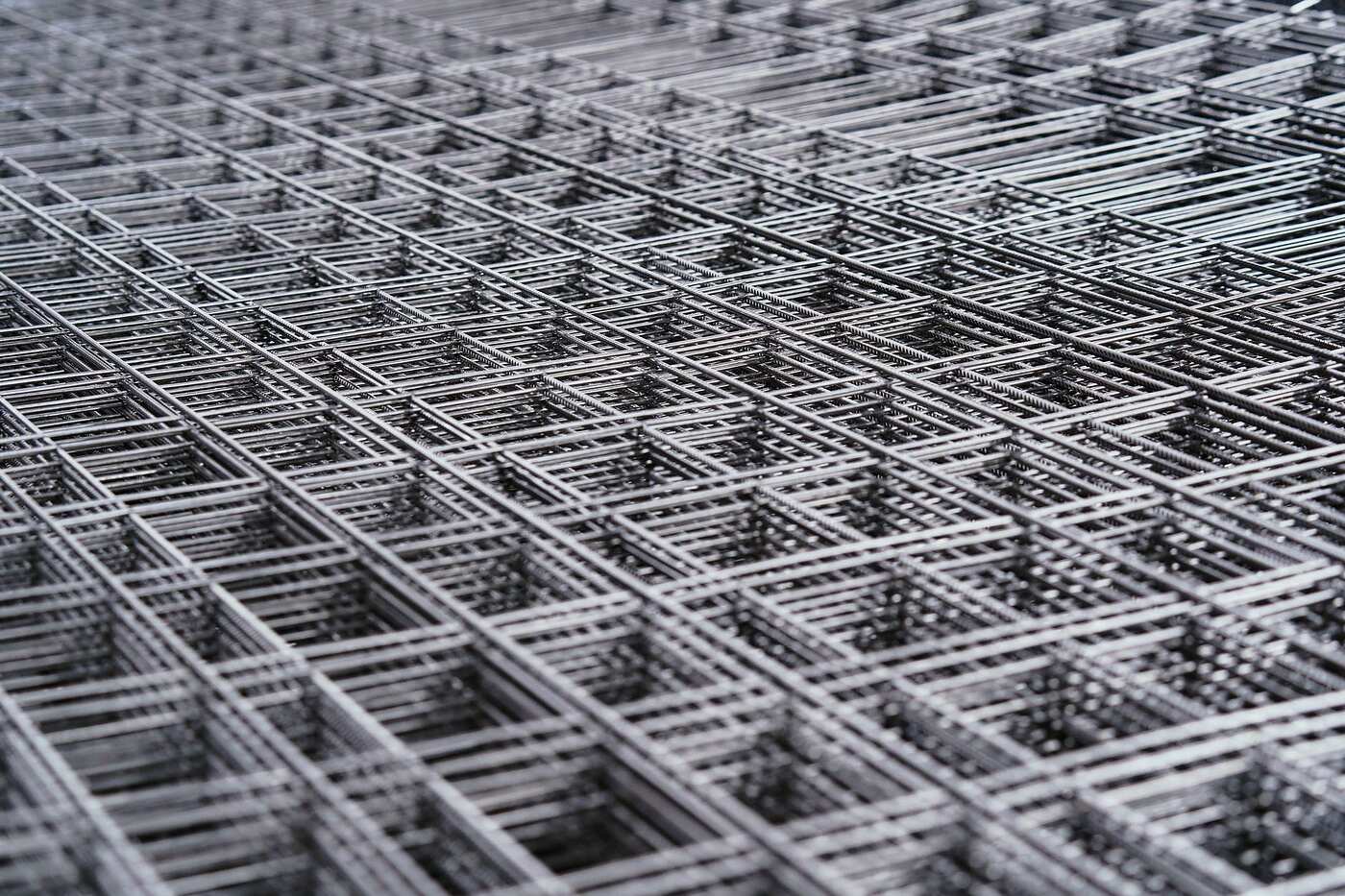
- Quarter-inch galvanized hardware cloth behind soffit returns, gable louvers, off-ridge vents and the open ends of ridge vents
- Sheet-metal patches over gnawed fascia and soffit corners
- Mortar or a metal collar around the AC line set, the cable and electrical entries and the plumbing vents where they pass through stucco
- A fresh bottom seal on the garage door where daylight shows at the corners
- A closure list naming the material used at each point
For a condo owner the list is shorter on the unit side and longer on the association side, and the condo and HOA page explains who signs off on which part.
Estimate what this job costs in West Palm Beach
Six questions against the published bands further down the page. The spread is wide on purpose: the roofline decides most of it and nobody can price an eave from a form.
Bands come from HomeGuide 2026 national cost guides, with Angi Tampa figures as the Florida reference. Every number is confirmed at the free inspection.
The gap under the tile: why the eave is the job here
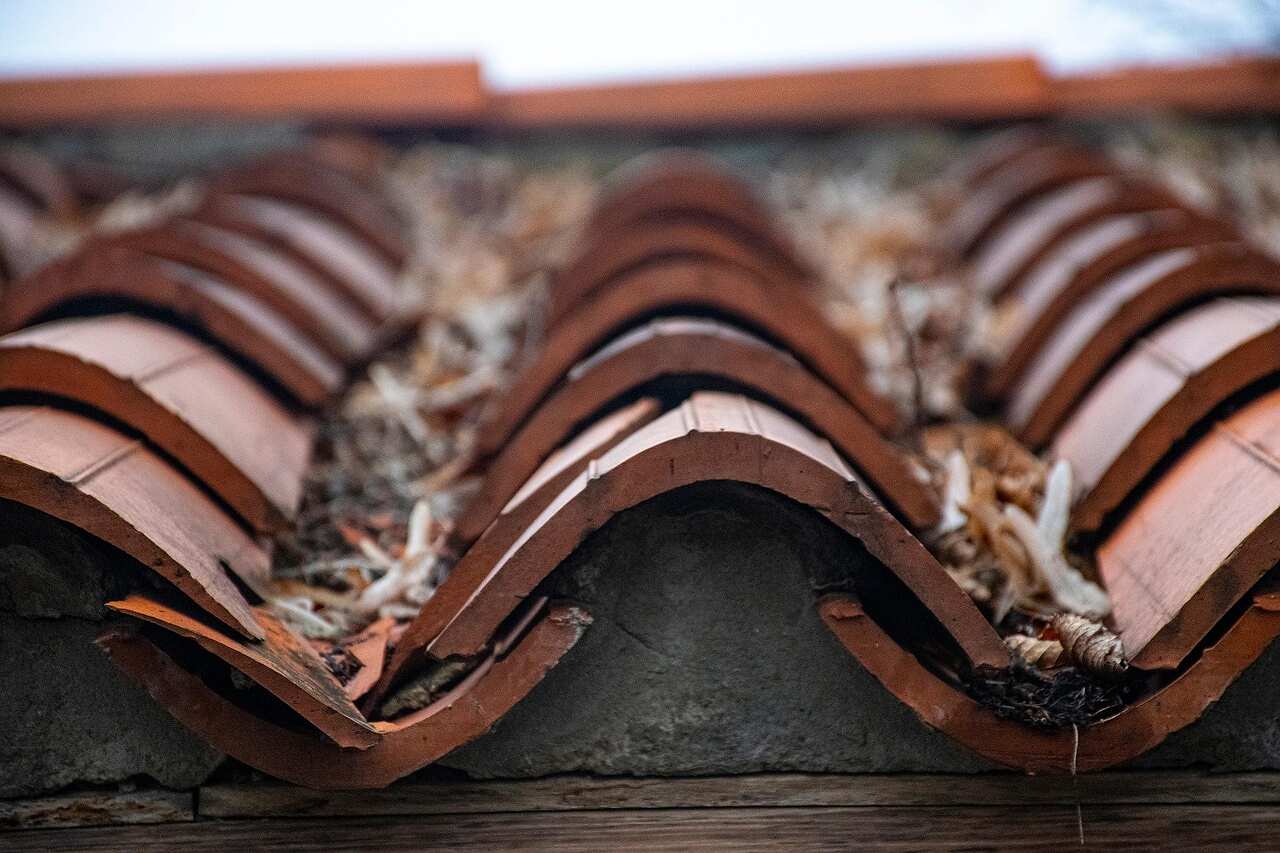
The single largest opening on most West Palm Beach roofs is the void under the first row of curved tile at the eave, and it runs the full length of every edge of the roof unless a closure was fitted when the roof went on. Concrete and clay barrel tile covers most of the 1980s to 2000s housing in the county and nearly every gated community west of the turnpike, so this one detail decides more exclusion jobs than every vent and soffit put together.
The curve of each tile leaves a quarter- to half-inch arch at the eave, and the same arches recur at hips and ridges. The manufactured part that closes them is called a bird stop or eave closure: a code-approved metal profile, usually 26 gauge galvanized steel or aluminum, sometimes stamped with weep holes so the eave can still breathe. Bird stopping is named by the Department of Energy among measures it recommends for clay and concrete tile roofs. When the original is missing, corroded by salt air or knocked out by a storm, a rat-sized channel runs from one corner of the house to the other.
The comparison to make at quote time is a named metal component against a bead of expanding foam. Foam in a tile eave is chewed through within days, breaks down in the sun, traps moisture against the underlayment and blocks the ventilation the eave was designed to provide. A full mortar closure has the same ventilation problem. A metal bird stop matched to the tile profile has none of them, and it is the item most often missing from a cheap quote.
Every other opening a roof rat uses on a Palm Beach County house
After the eave course, the openings that admit roof rats here are the soffit returns, the vent screens, the utility penetrations and the garage door, in roughly that order of frequency. UF/IFAS gives a quarter inch as the opening a mouse needs and half an inch for a rat, with a quarter inch as the rat-proofing standard, so anything that admits a pencil goes on the list.
| Opening | How it got there | What closes it |
|---|---|---|
| Tile eave course | Bird stop missing, corroded or displaced | Manufactured metal bird stop under the first course |
| Soffit return | The corner where an aluminum soffit run meets a wall or a second-story elevation, often never closed at construction | Quarter-inch hardware cloth fastened to framing, or a sheet-metal closure |
| Gable vent | Plastic or light insect mesh chewed through | Hardware cloth inside the louver, screwed to the frame |
| Off-ridge and ridge vents | Plastic filter mesh chewed; open ends at the gable never capped | Hardware cloth under the cap and metal end caps |
| AC line set and cable entries | Oversized hole through stucco or soffit around the pipe or wire | Mortar or a metal collar, hardware cloth behind any stucco patch |
| Garage door | Bottom and side seals shrunk or torn | New seal and threshold, plus the ceiling panel gap to the attic closed above |
| Dryer and bath fan caps | Damper stuck open or missing | New damper cap |
On the pre-1940 houses in El Cid, Flamingo Park and Old Northwood the wood soffits add shrinkage gaps between boards and decorative gable vents with no screen at all, and the closures there are fitted from behind so the street face of the house is unchanged.
Steel mesh, sheet metal and bird stops against foam
The right material for a closure is one a rat cannot gnaw and a storm cannot loosen, which leaves galvanized hardware cloth, sheet metal, a manufactured bird stop, and mortar or a metal collar at penetrations. A quote built on expanding foam and steel wool is a quote for a job that gets done twice.
| Material | Where it belongs | How it holds up in Palm Beach County |
|---|---|---|
| Quarter-inch galvanized hardware cloth | Soffit returns, gable and ridge vents, behind stucco patches | Chew-proof at the quarter-inch mesh; the galvanized coat resists humidity; the vent keeps breathing |
| Sheet metal, galvanized or aluminum | Chewed fascia, soffit corners, drip-edge gaps, ridge vent ends | Rigid and chew-proof; screwed to framing it stays put in wind |
| Metal bird stop or eave closure | Under the first course of tile along every eave | The purpose-made part; ventilated versions keep the eave airflow |
| Mortar or metal collar | Around the line set, cable, mast and plumbing penetrations in block | Permanent, matches the wall, does not shrink |
| Expanding foam | Only as a backer behind metal, to stop air | Exposed, it is chewed through in a night, crumbles in sun and hides the hole from the next inspector |
| Steel wool alone | Nowhere on an exterior | Rusts to nothing in a season of salt air |
Near the Intracoastal and the beach, copper or stainless mesh is sometimes chosen over galvanized because of the salt, and aluminum bird stops over steel. The fastening matters more than the metal: a screen glued over a hole is still a hole, and a screen screwed to framing is a closure.
Who has to approve the sealing in a gated community or a condo
Trapping in your own attic needs nobody's permission, and exterior sealing usually does need someone's, because a bird stop along the eave or a screen over a gable vent is visible work on the outside of the building. With about 44 percent of the city's units in apartment complexes and towers and roughly 15 gated communities inside the city limits, this question comes up on a large share of West Palm Beach exclusion calls.
Gated single-family communities
In Ibis, Bear Lakes, Breakers West, RiverWalk, Andros Isle and the other 1990s to 2010s communities on the west side, the architectural review board expects an application for exterior work even when it is a like-for-like repair. The contractor we route writes a short description of the part and the finish, attaches a product sheet for the bird stop, and the owner files it. Most boards treat a color-matched metal closure under the tile as maintenance and approve it by email; a few ask for a photo of the finished eave.
Condo towers and townhouse rows
In a downtown tower the exterior is association property, so the unit owner can authorize the trapping and the sealing of any opening inside the unit, and the association or its management company has to authorize the envelope work. The inspection report names the exterior openings and copies the manager. In a townhouse row the roofline is often shared, so a bird stop that stops at one owner's property line leaves the run open next door; the condo and HOA rodent control page covers how a whole line gets done.
Historic districts
In El Cid, Flamingo Park, Old Northwood and Grandview Heights, exterior changes that alter the appearance of a contributing house go through the city's historic preservation review, and routine maintenance can be approved at staff level. Hardware cloth behind an existing louver and a closure trimmed under the existing molding change nothing from the street, which is the way the work is designed on those houses.
Is it safe to do exclusion before trapping?
Sealing first is safe when the traps go in the same day, because whatever is still inside then has a way out that ends in a trap rather than in a wall. The unsafe version is sealing a house and leaving, which locks a rat into a closed attic and sends it chewing down through a soffit box or a garage ceiling to find a new exit.
The sequence on the jobs we route has three parts. The roofline is closed on the first working visit, or every opening but one known main entry is closed and a one-way door goes on that one. Snap traps go on the dropping runs the same afternoon and stay at least a week, since UF/IFAS notes that roof rats are wary of new objects. A return visit checks for fresh droppings and new gnawing, then finishes the last closure.
The other order, months of trapping with the eave still open, is what leaves people paying for visit after visit while the mango tree keeps sending replacements. The roof rat removal page lays out the trapping side and why poison is a poor stand-in for either step.
What keeps rats away permanently?
A roofline closed with metal keeps rats out of a West Palm Beach house for as long as the closures stay in place, and nothing sold in a spray bottle or a wall socket does the same work. Repellents and ultrasonic plugs address none of the openings. A cat is outmatched by an animal that reaches the roof without touching the ground.
Three habits extend the life of the sealing here. Keep palm fronds, mango and avocado limbs and ficus hedges cut back from the roofline, since UF/IFAS describes limbs, wires and palm trunks as the roof rat's routes and gives the species a range of about 150 yards from the den. Pick up fallen fruit through the year, because mango from May to September, citrus from November to March and avocado through summer and fall keep the yard population fed in every month. Walk the eave after every named storm, since wind lifts tile and dislodges bird stops, and the post-storm rodent inspection exists for that check.
The rest is ordinary upkeep: a garage seal replaced when it tears, a gable screen checked once a year, and a call the first night something is heard overhead rather than the fortieth.
What rodent exclusion costs in West Palm Beach
Full-home exclusion sealing typically lands between $500 and $2,500 in HomeGuide's 2026 national figures, and the closest Florida reference, Angi's Tampa data, puts it at $550 to $1,642. Both are typical-job bands, and the free inspection turns them into a number for a specific roofline.
| Line item | National (HomeGuide 2026) | Florida reference (Angi, Tampa figures) |
|---|---|---|
| Full-home exclusion sealing | $500 to $2,500 | $550 to $1,642 |
| Trapping and removal alongside | $250 to $1,200 | $441 to $1,716 per visit, $1,078 average |
| Standalone inspection | $0 to $175 | Free through this line |
| Attic cleanup after sealing, if needed | $600 to $2,500 | Insulation removal $600 to $1,200 |
What moves a sealing quote inside the band is mostly the roof. A single-story shingle house with four openings sits at the bottom. A two-story tile roof with the bird stop missing along three eaves, chewed ridge mesh and six penetrations sits at the top. Condo unit-side sealing is usually a short list and sits below the band, with the association's exterior work quoted to the association. National guides also price crawl space and basement work that slab-built South Florida houses do not have, which is one reason a local quote can come in under the national spread. Ask whether a return visit is included and whether any monthly plan has been folded in.
What to ask about the exclusion quote before work starts
An exclusion quote should name each opening, name the material going into it, state the warranty terms in writing and say how many return visits are included, and a contractor who cannot give those four things is quoting foam. Get the answers before the ladder comes off the truck.
- What openings did the inspection find, and does the quote name a material against each one?
- What warranty covers the sealing, how long does it last, and does it renew when the term ends?
- What happens if rats get back in during the warranty: a free reseal, a trapping visit, or neither?
- Is the trapping included with a return visit, or is it a separate line?
- Is any monthly monitoring plan folded into the price?
- What is the FDACS license or certificate number for the trapping side of the work?
- Will the contractor write the description an ARB or a condo manager needs?
Warranty terms differ from one contractor to the next, and what the warranty covers matters more than how long it runs. Every contractor we route holds the FDACS credential the job needs, and the number can be confirmed through the FDACS lookup. The about page explains what the routed contractors are asked to put in writing, and the contact page is where a quote in hand can be sent for a second read.
Services that run alongside this one
A West Palm Beach rodent job is rarely one service on its own; these are the steps that usually sit before or after this one.
- Roof Rat Removal: Snap trapping along the runways of the palm rat that fills Palm Beach County attics, sequenced with sealing.
- Rodent Inspection: A free walk of the eave course, the attic and the yard trees that sets the order of the job and produces the written quote.
- Condo and HOA Rodent Control: Exclusion on association-owned exterior, ARB applications for bird stops and screens, and whole-stack jobs in towers.
The about page explains how the line works and which credential to check, and the phone is answered at any hour.
Sealing the outside of a house
Working around a building, closing every gap.
Video: How to keep out mice and other pests: sealing up the exterior, from The Home Mender.
How an exclusion job runs in West Palm Beach
The eave is closed first, and the trapping and the verification are built around that closure.
-
Roofline and attic inspection
Whoever attends walks every eave from a ladder, checks each vent and penetration, then reads the attic for the runs and rub marks that show which openings are in use.
-
Paperwork where an association is involved
A one-page description of the bird stop or screen goes to the ARB or the condo manager before exterior work starts, so nothing is fitted that has to come off.
-
Sealing from the eave up
Bird stops under the tile, hardware cloth at the returns and vents, mortar at the penetrations, a new garage seal, all measured against a quarter inch.
-
Traps in the same day
Snap traps go on the marked runs as the roofline closes and stay at least a week, so nothing inside has a reason to chew a new exit.
-
Return visit and closure list
Fresh sign is checked, any missed opening is sealed, and you receive a list of every closure with its material, which is what a warranty attaches to.
What to expect
On the day, this is what happens at the house.
- A ladder walk along every eave, hip and ridge
- Each opening measured and photographed before it is closed
- Metal parts screwed to framing, foam only as a backer
- Traps set as the last closure goes in
- A written closure list handed over at the end
Why West Palm Beach homeowners route sealing work through this line
The tile eave gets the manufactured part
On a Palm Beach County tile roof the bird stop decides the job, and the contractors we route fit the code-approved metal closure along the full eave rather than a bead of foam at the spots where droppings were found. The Department of Energy lists bird stopping among its recommended tile-roof measures, and the closure list you receive names it by material so a second contractor or a buyer's inspector can check it from the ground.
US Department of Energy: bird stopping is a recommended measure for clay and concrete tile roofs
Association paperwork is part of the scope
A large share of the city lives under an ARB or a condo board, and an exclusion job stalls when nobody writes the application. The contractor we route describes the part, the finish and the location in one page, attaches the product sheet, and copies the manager where the exterior belongs to the association. Owners in the west-side gated communities and the downtown towers get sealing done instead of a quote that sits in a drawer waiting for a meeting.
About 44 percent of West Palm Beach units sit in large complexes and high-rises, NeighborhoodScout
Sealing priced as its own line against a published band
Exclusion runs $500 to $2,500 nationally in HomeGuide's 2026 guide and $550 to $1,642 in Angi's Tampa data, and the quote you receive puts the sealing, the trapping, the return visits and any cleanup on separate lines so each can be read against those figures. Homeowners comparing notes online describe sealing quotes for similar houses that range from under two thousand dollars to tens of thousands with no way to tell why; an itemized quote is the answer to that.
HomeGuide 2026: full-home exclusion $500 to $2,500 nationally
What Reddit Says About Rodent Exclusion in West Palm Beach
Sealing is the part of a rat job that homeowner threads argue about most, and the argument almost always starts with a sealing quote the homeowner did not understand. People on r/pestcontrol and r/HomeImprovement tell each other to get more than one bid for the same scope, to insist that exclusion is priced apart from trapping and cleanup, and to ask outright whether the company does the repair work or only sets traps and refers the sealing out. Local operators are preferred to national brands, and people say it often enough that it reads as a rule.
The red flags are specific. Trapping with nothing sealed is called harvesting rodents. Shutting a building while animals are still in it gets named as the mistake in the other direction. A monthly monitoring contract folded into the removal price, and a company that keeps returning for months with no change in the noise, draw the same warnings. On price, homeowners post real quotes for similar sealing work from under two thousand dollars to tens of thousands, and the recurring question is whether the homeowner is being taken for a ride.
The questions they pass along are about the warranty and the scope. What warranty attaches to the exclusion, and can that term be renewed? What happens if they come back? How many follow-up visits are in the price? Do you clean and decontaminate, or only seal and trap? Florida commenters add the local detail: barrel-tile eaves and soffit gaps as the entry points, palm fronds and overhanging branches as the route in, and sheet-metal collars on tall palms as one remedy.
Strip out the technical language and what is left is a household that has not slept properly in weeks and has been told it is making too much of it. Sealing is the step that lets someone stop lying awake tracking the noise.
Sealing arrives on the quote as its own figure, with the material written beside every opening it closes, and the warranty question is settled on paper before a ladder goes up.
A typical exclusion job on a west-side tile roof
The situation: A couple in a two-story block-and-stucco house with a concrete tile roof in one of the gated golf communities off Okeechobee Boulevard has heard running above the upstairs hallway since the first hot nights of June, when the attic became the coolest place on the lot. A previous company set bait stations in the attic and told them to wait. The noise stopped for two weeks, a smell arrived, and then the running came back. They have been sleeping with a fan on to cover it, and they are unsure whether the HOA will let anyone touch the roof.
What gets done: The contractor we route walks the eaves and finds the bird stop absent along the entire rear slope, the gap under the first tile course open for the length of the house, plus chewed plastic mesh at two off-ridge vents and an oversized hole around the pool pump conduit on the side wall. The contractor writes a half-page description of the color-matched aluminum bird stop with the product sheet attached, the owners send it to the architectural review board, and it comes back approved as maintenance. The rear eave gets the manufactured closure, the off-ridge vents get quarter-inch hardware cloth and metal end caps, and the conduit gets a mortared collar. Snap traps go on the dropping run along the hallway ceiling the same afternoon. The carcass from the bait is located and removed as a separate line.
How it turns out: The traps take two adults in the first three nights and then nothing. The return visit finds no fresh droppings, the smell has gone with the carcass, and the owners receive a closure list naming the bird stop, the two vents and the conduit with the material used at each, which they file with the ARB approval. The fan goes back in the closet.
Book the free inspection for this service
Describe what you hear and where, and a dispatcher lines up the nearest FDACS-licensed contractor. The phone is answered at every hour and the inspection carries no charge.
Exclusion questions from West Palm Beach homeowners
The questions below come from the phone line and from homeowner threads about sealing work.
The sealing itself
Can I seal the openings myself with expanding foam?
Foam alone is chewed through again within days, and worse, it conceals the hole from whoever inspects next. There is real work a homeowner can do at ground level: quarter-inch galvanized hardware cloth screwed into framing, a fresh garage door seal, mortar packed around a pipe. The roofline is where it gets difficult. Soffit returns, gable louvers, ridge mesh and the first tile course want a ladder, the correct metal parts, and someone who knows where a roof rat tests an edge. The free inspection sorts one category from the other, and the closure list afterward records what went into each opening.
Does sealing the eave block the attic ventilation?
Done with the right parts it does not. Quarter-inch hardware cloth over a gable or ridge vent passes air and stops the animal, and ventilated bird stops are stamped with weep holes so the tile eave keeps breathing. What blocks ventilation is foam sprayed into a soffit or a tile eave, or a solid mortar closure along the whole course, which is one more reason those are the wrong materials. A vented attic in Palm Beach County runs very hot through the summer, and the contractor we route keeps every vent working while closing it to anything a quarter inch or wider.
How long does an exclusion job take?
Most single-family houses here are sealed in one working visit, with the trapping running for a week or two afterward and a return visit to verify. A large two-story tile roof with a long missing bird stop, several vents and multiple penetrations can take a second day, and a job that needs ARB or condo approval waits for that approval before the exterior work starts, which is why the paperwork goes in on the inspection day. HomeGuide puts trapping a small number of animals at two to three days and a severe infestation at one to two months; sealing on the first visit keeps a West Palm Beach job at the short end.
After the work
What warranty attaches to the exclusion, and can that term be renewed?
The contractor doing the sealing sets its warranty terms, so get that term written down, what it covers, and whether it renews. Some warranties cover a reseal only; some include a trapping visit if animals get back in; some run for a fixed term and end; some renew for a fee; some transfer to a new owner and some do not. Ask which before the work starts and have it written on the quote. Whatever warranty exists attaches to the closure list handed over at the end, which belongs with the house papers.
What happens if they come back after sealing?
Animals back after a sealing job point to a missed opening, a damaged closure, or something a storm has opened since, and the first step is a roofline walk to find which. Within a warranty period it is the terms you asked for in writing that decide whether a reseal and further trapping cost anything. Palm Beach County roofs take wind from June to November, and the Department of Energy documents storms breaking and displacing roof tiles, so a look at the closures after any named storm is a good habit whether or not anything has been heard.
My condo association says the exterior is theirs. Can anything be sealed?
Yes, on both sides of the line. Inside the unit, the contractor closes the gaps around drain stacks, the AC chase, the dryer duct and any opening in the ceiling plenum, which is often where the animal is getting from the building into the unit. The exterior openings go into the inspection report with photographs, and the report is copied to the manager so the association can authorize the envelope work, usually for the whole stack or building line rather than one unit. The condo and HOA page walks through that process.
Still have a question? Call (561) 589-3578 and ask.
Book a free roofline inspection for exclusion in West Palm Beach
Call (561) 589-3578 or send the form. Calls are taken at every hour, and the inspection that puts a price on the sealing is free.