Rodent Removal in Greenacres, FL
Greenacres is inland suburban Palm Beach County: subdivision housing from the 1970s through the 1990s, villa and condo blocks, and drainage canals threading between them.
Free Inspection in Greenacres
A free inspection here covers the eave and soffit line, the attic, the vents and penetrations, the garage, and the planting and canal bank where one runs behind the property, with each opening photographed and located.
Greenacres is roughly eight miles southwest of the Clematis Street office, a short drive inland on Lake Worth Road. The phone is answered at any hour of the day and night, and inspections are usually available within a couple of days. Arrange one through the contact page or by calling.
Subdivision housing from the 1970s to the 1990s
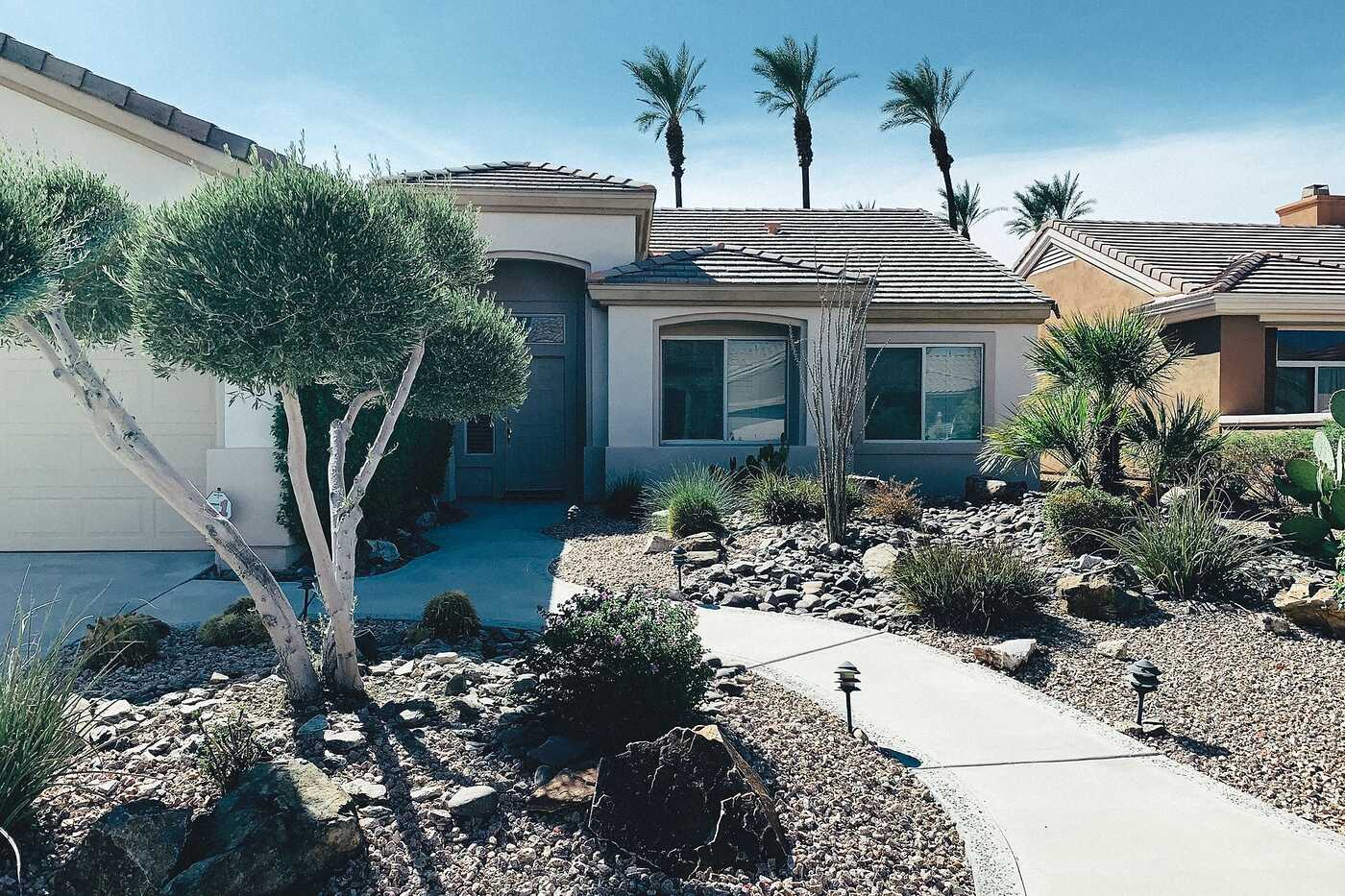
The city grew through a long run of subdivision building, so the typical house is single story on a slab, block and stucco, under either concrete tile or shingle, with a two-car garage and a modest lot.
Those two roof types need different work. On a tile roof the eave course under the first row of tile is the main opening, left unclosed unless a bird stop or mortar closure was fitted, and a roof rat passes through a gap the size of a quarter. Fitting bird stopping appears in the Department of Energy guidance on tile roofs. On a shingle roof the openings are individual instead: soffit panels lifted from their channels, vent screening corroded at the lower edge, a loose turbine vent base, and penetrations at plumbing vents and the air conditioning line set.
Garages matter more in this stock than people expect. An attached garage is where the attic access usually is, where stored feed, birdseed and pet food usually are, and where a gap under a side door or at the bottom corner of the main door lets a ground-level animal in. On a house with a hot attic in summer, the garage is also the coolest part of the roof space and the first part animals use.
Villa blocks, condos and 55-plus communities
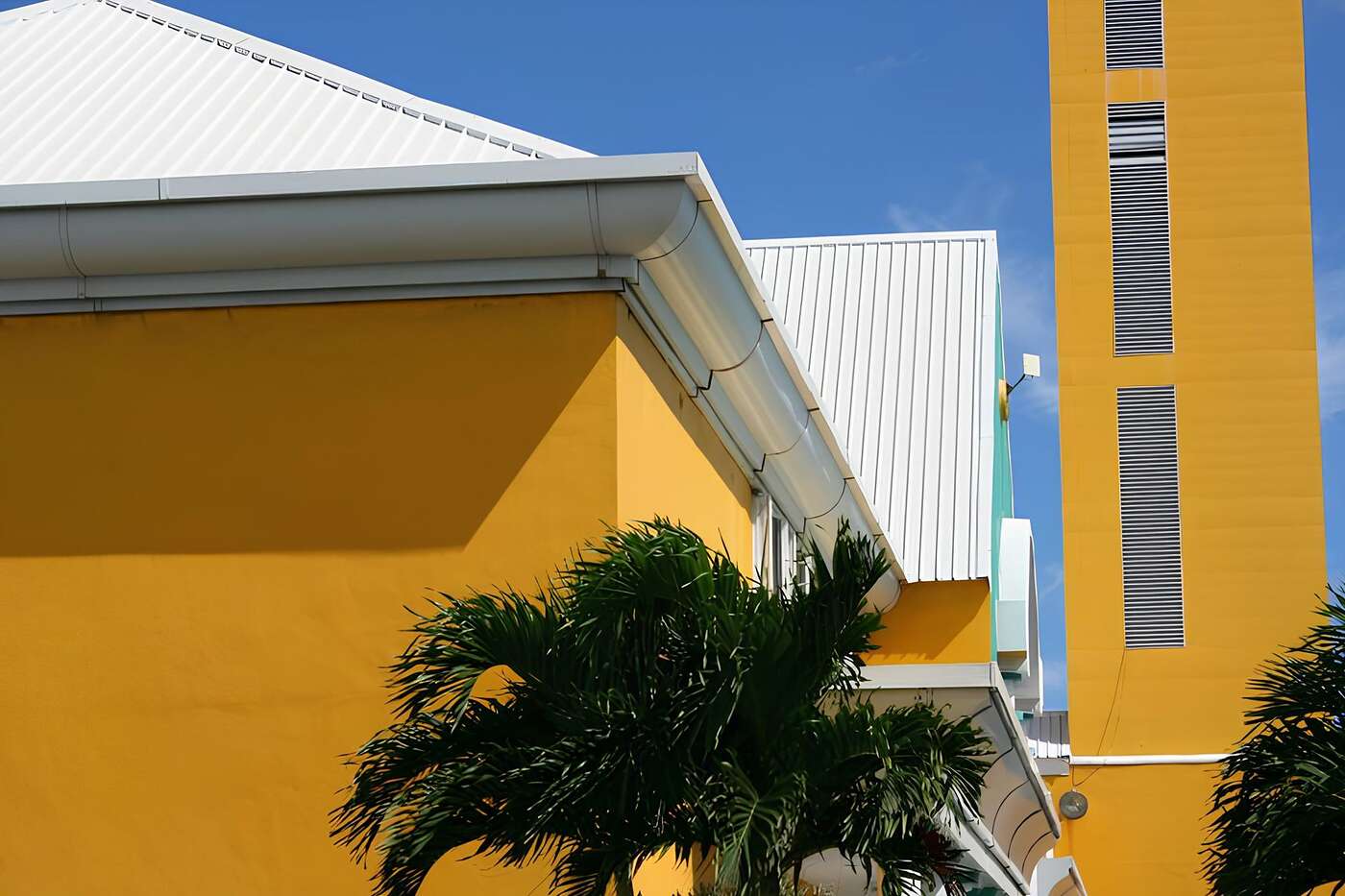
A substantial share of the housing here is attached villa, townhouse or condominium, much of it in communities with an association and an approval process for exterior work.
Where a roof and a ceiling void run continuously across several attached units, sealing one unit moves the animals to the next ceiling instead of ending the activity. The work that succeeds covers the building line, which makes it an association decision. In a Florida community the roof, exterior walls, soffits, exterior vents, common voids and landscaping are normally association responsibility, with the declaration as the authority, while the inside of a unit belongs to the owner.
The approach that gets results is to do the unit-side work immediately and send the association a written request the same day, with a photograph, a location and a plain statement of what each opening needs. In a 55-plus or gated community an architectural review application may be needed for an eave closure, and preparing it alongside the inspection is what keeps the timeline in weeks rather than seasons. That process is set out under condo and HOA rodent control.
Drainage canals and inland ground conditions
Inland Palm Beach County is drained by a network of canals and lakes, and plenty of properties here back onto one.
A canal bank with dense planting is ground-level habitat, where Norway rats burrow and work rather than climb, and it can produce a problem at the slab line that has nothing to do with the roof. Landscape beds planted hard against a wall give the same animal a covered route to a hose bib or a utility penetration. Roof rats remain the dominant species in the county's rooflines, so both can be present on one property.
Being inland changes nothing about the season. There is no winter die-off in this climate, roof rats breed all year, and the two local peaks are the extreme heat of June to September, which pushes animals into cooled attics and garages, and the mild stretch from November to February. Yard fruit keeps the food supply going, with mango through the summer and citrus from late fall into spring. The only variable a household controls is whether its building is closed.
What We Handle in Greenacres
Work here is mostly suburban roofline closure, with an association layer on the attached stock.
- Rodent inspection: eave line, vents, attic, garage, slab line and canal bank, each finding photographed.
- Roof rat removal: traps along the attic runs and in the garage, left in place long enough to catch wary animals.
- Rodent exclusion: bird stop on tile, soffit panels reseated, vents rescreened, line set and plumbing penetrations capped in metal.
- Condo and HOA rodent control: building-line scope and the association paperwork in a villa or 55-plus community.
- Attic insulation replacement: soiled blown-in material removed and replaced by the square foot.
- Dead rodent removal: for a carcass in a wall after bait, which is the most common emergency call here.
A Typical Greenacres Job
The situation: A 1986 block and stucco villa in a 55-plus community, one of four units under a continuous concrete tile roof, blown-in insulation in the attic, and a drainage canal behind the rear fence. The owner hears movement above the bedroom in the evening, the community's contract pest company has put bait stations in the garage, and the management office has said pest control is a unit matter.
What gets done: The inspection finds the eave course open along the full length of the four-unit roof with no bird stop anywhere, a gable vent screen corroded at its lower corner on the end unit, and an unsealed air conditioning line set penetration on the owner's rear wall. The attic shows a flattened run in the insulation along the shared top plate, which means the void is continuous across the units. The line set penetration is sealed on the first visit and traps go on the run. The eave line, the vent and the shared void go to the manager the same afternoon as a photographed list, with an architectural review application drafted for a galvanized bird stop in a matching finish and the published exclusion band attached for the board.
How it turns out: Two animals out in nine days and the owner's bedroom goes quiet. The board approves the eave closure for the whole building rather than the unit, the four-unit roofline is closed in one day, and the per-unit figure is a fraction of what separate service calls from three owners had been costing. One joist bay of insulation is topped up.
What This Costs in Greenacres
Published bands are the benchmark and the inspection produces the figure, and on attached stock the per-building number is the one worth asking for.
| Work | National band | Florida reference |
|---|---|---|
| Trapping and removal | $250 to $1,200 | avg $1,078 per visit, typical $441 to $1,716 |
| Exclusion, single house or unit | $500 to $2,500 | $550 to $1,642 |
| Insulation removal and replacement | $2.50 to $5.50 per sq ft | removal $600 to $1,200, replacement adds $1,000 to $3,000 |
| Attic cleanup | $600 to $2,500 | quoted with the cleanup scope |
National bands are HomeGuide 2026; the Florida column is Angi's Tampa data, which is the nearest published reference since Angi lists no Palm Beach County figures. Tile eave closure sits in the upper half of the exclusion band because the eave is closed along its full length. A shingle-roofed house with five individual closures sits lower. On a villa, ask for the building-line price as well as the unit price, because the board comparison is what moves the work forward.
Book a free inspection in your town
Palm Beach County is covered end to end. Leave a name and number, or call, and the dispatcher books the nearest licensed contractor for a free roofline and attic walk.
Rat holes around a building
What a burrow looks like, and where it leads.
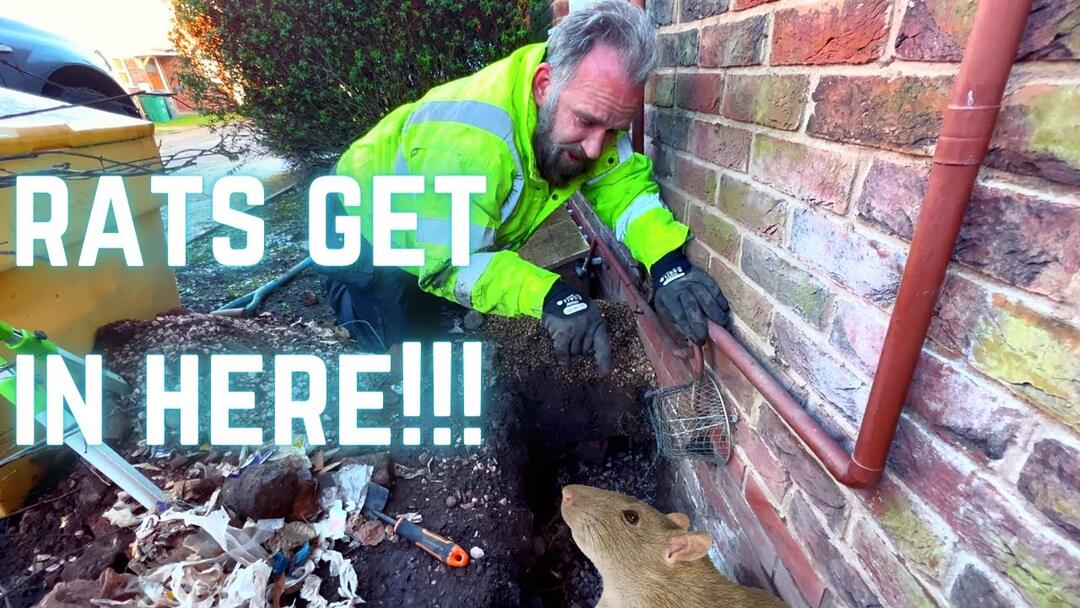
Video: RAT holes around your house? How to stop rats burrowing, from Pest Interceptors.
Common Questions in Greenacres
What suburban and villa callers here ask first.
Houses and garages
They are in my garage rather than the house. Is that different?
It is usually the same problem reached from a different direction. An attached garage is the coolest part of the roof space, it holds the attic access, and it often stores feed, birdseed or pet food in bags. The closures there are a door sweep, the bottom corners of the main door, and any penetration at the slab line, and the housekeeping step is moving everything edible into rigid sealed containers. Traps go in the garage and the attic at once, since the same animal uses both.
What is the cheapest way to get rid of rats out here?
Trapping plus closing the openings the animals are using, in that order, with the remaining closures staged if budget is tight. The apparent cheap option is bait, and in a single-story house with a low attic it is the one most likely to end in a carcass over a ceiling: the EPA notes that anticoagulant rodenticides typically kill four days to two weeks after feeding begins. HomeGuide puts trapping and removal at $250 to $1,200 and exclusion at $500 to $2,500 nationally, and an itemized quote lets you stage it.
Villas and associations
My villa shares a roof. Will sealing my end work?
It protects your unit and it will not clear a shared void. Where the roof and the ceiling void run across the building line, animals use the next ceiling, so the effective scope is the whole building. Do the unit-side closures and trapping now, and send the association a photographed list of the roofline items with a plain statement of what each needs. A building-line quote with the published bands attached is the document that usually gets a board to act.
The community already pays for pest control. Why is this still happening?
Because a monitoring contract and structural sealing are different purchases. Bait stations and traps catch what comes in; they do not close the eave course along a four-unit roof. Ask the management office what exterior sealing has been done and for photographs of it. If the answer is a service frequency rather than a closure list, the building has been paying to manage a symptom, and a one-time closure compares very well against that per unit.
Still have a question? Call (561) 589-3578 and ask.
Nearby Areas We Serve
The contractors dispatched to Greenacres cover the neighboring towns as well, and the service area runs across the whole of Palm Beach County.
Book a Free Inspection in Greenacres
The inspection is free, and for attached housing it produces the unit list, the association list and the board paperwork.