Rodent Removal in Palm Beach Lakes
The Palm Beach Lakes corridor is mid-century ranch housing mixed with condo and villa blocks, set among lakes, canals and golf turf. Soffit returns and ground-level runs are the two things to check here.
The mid-century ranch stock and its weak points
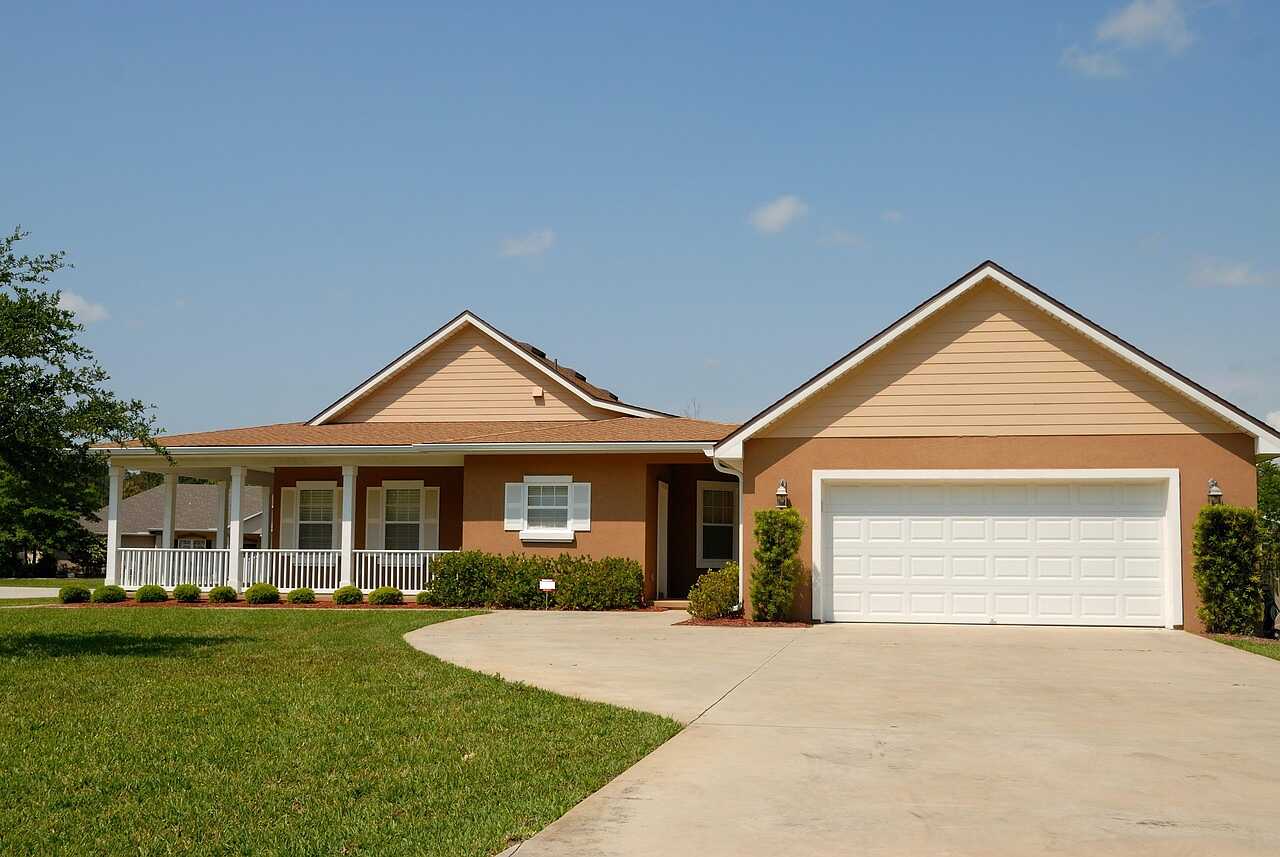
A 1950s to 1970s ranch house here is single story on a slab, long and low, with a shallow hip or gable roof and aluminum or vinyl soffit panels fitted into channels.
Those soffit panels are the recurring finding. They lift out of their channel at a corner return, at a junction with a carport or a later room addition, and anywhere a roof has been replaced without refitting them properly. From the ground a lifted panel looks like a shadow. From a ladder it is a gap wide enough for an animal that gets through a quarter-inch opening, which is the standard UF/IFAS publishes for rodent-proofing.
The other ranch-specific items are a flat or low-slope roof section over a carport or an enclosed porch with penetrations and a parapet edge, turbine and ridge vents that have loosened, original gable vents with degraded screening, and an air handler in a closet or a garage with an open return void. Most of these houses have been reroofed at least once, and the junction between the new covering and the old fascia is always worth a look.
What the lakes, canals and golf turf contribute
Water edges and irrigated turf change the species mix in this part of the city, adding ground-level rodents to the roof rats that dominate elsewhere.
Norway rats live at ground level in burrows and work seawalls, canal banks, drainage structures, dumpster surrounds and dense landscape beds, and the lake and canal edges through this corridor are exactly that habitat. Roof rats remain the dominant species in the roofline, so a house near a lake bank can have both, with different entry points and different sealing work. The contractor identifies which is present from the droppings and the damage before quoting: roof rat droppings are a quarter to half an inch long with pointed ends, while burrowing along a foundation or a bank points the other way.
Irrigated golf turf and ornamental planting add cover and moisture all year, and a landscape bed planted hard against a wall gives a ground rodent a protected route to the slab line. The yard findings here are usually about clearing a foot of space between planting and wall, managing dense ground cover, and making sure an irrigation or utility penetration at grade is sealed rather than stuffed.
Condo and villa blocks in the same streets
Plenty of the housing along this corridor is condo, villa or townhouse stock, which means the opening an animal used often belongs to an association rather than to the resident.
Where a roof runs continuously across several attached units, sealing one unit moves the animals to the next ceiling instead of ending the activity. The work that succeeds covers the building line, which makes it an association decision and a paperwork exercise as much as a pest job. The useful first step is a written request to the manager with a photograph and a location for each opening, which is the part handled under condo and HOA rodent control.
Unit-side work does not have to wait for any of that. Pipe chases under sinks, laundry box penetrations, air handler closets and dryer vent gaps are inside the unit, and trapping in an accessible void can start immediately. Most residents here end up doing both at once: their own closures and trapping on day one, and the roofline request in the manager's inbox the same afternoon.
For single-family owners the path is simpler: a free inspection, roof rat removal on the live runs, rodent exclusion at the soffit line and the vents, and the contact page for the hours.
What the attics look like in this corridor
These attics are low, hot and usually carry blown-in insulation, which changes both the evidence and the cleanup.
Blown-in insulation records traffic: runs show as flattened tunnels between the joists and nests show as mounds, so the map of the problem is visible in the material itself. It also absorbs urine, and in a Palm Beach County attic in summer the heat drives the smell down into the rooms below within weeks. The Department of Energy notes that compressed insulation does not deliver its rated R-value and that wet insulation performs poorly, which is why soaked bays are removed rather than sprayed and left.
The heat sets the working hours. Summer attic work here starts early and stops before the afternoon, and a larger job gets split across two mornings rather than pushed through a single day. Where only a few bays are affected, the cleanup is a corner and a top-up. Where the runs cross the whole attic, insulation replacement becomes its own line with its own published band.

Mice, squirrels, or something else
How the signs differ between the two.
Video: Signs of Mice vs. Squirrels In Your Attic, from Skedaddle Humane Wildlife Control.
Why Palm Beach Lakes residents use this line
Soffit panels get reseated in their channels
A lifted aluminum soffit panel is the signature opening on mid-century ranch stock, and the fix is mechanical: the panel is reseated in its channel with steel mesh behind the return, so the eave looks untouched and the gap is gone. Foam squirted into a soffit channel is both visible and chewable, and it has to come out before the real repair.
UF/IFAS: a quarter inch opening is the rodent-proofing standard, which a lifted panel exceeds
Ground level is checked as carefully as the roof
On a lake or canal edge the animal may be a Norway rat working burrows and the slab line rather than a roof rat in the eave, and the sealing work is completely different. Identification comes first, from droppings, gnaw marks and burrowing, so nobody pays for roofline closures on a ground-level problem.
UF/IFAS: roof rat droppings a quarter to half an inch with pointed ends; Norway rats burrow at ground level
Association property is named as association property
In a villa or condo block the report separates what a resident can authorize from what the association owns, with photographs and locations for each, so nothing stalls while a manager decides. The unit-side work starts the same day rather than waiting for a board.
About 44 percent of the city's housing units sit in large apartment complexes or high-rise buildings
A typical Palm Beach Lakes call
The situation: A 1968 block ranch on a street backing onto a lake bank, reroofed in shingle a decade ago, aluminum soffits, blown-in insulation in a low attic, and a hedge planted tight to the rear wall. The owner hears movement above the rear bedroom after dark and has also seen a large rodent at dusk near the lake bank, which raises the obvious question of whether they are the same animal.
What gets done: The inspection finds two soffit panels lifted out of their channels at the carport return, a turbine vent base loose on its flashing, and, at ground level, a burrow entrance behind the rear hedge with a run to a utility penetration at the slab. The attic shows flattened runs in the insulation along the rear top plate and roof rat droppings. That makes it two problems: roof rats above and a Norway rat burrow below. The panels are reseated with mesh behind the return, the turbine base is sealed, traps go on the attic run and in protected positions near the burrow, and the slab penetration is closed with mortar and metal.
How it turns out: Three roof rats out of the attic in nine days and one Norway rat at ground level. Two joist bays of soiled insulation are bagged and topped up, and the hedge is cut back a foot from the wall. The owner gets separate prices for the roofline work, the ground-level work and the insulation.
A free inspection on your street
The contractor covering this part of West Palm Beach walks the eave course, the attic and the yard trees, then writes an itemized quote. Nothing is owed for the visit.
Palm Beach Lakes questions
What callers along this corridor ask first.
Species and yard
Are the rats in my attic coming from the lake?
Usually not the same animals. Lake and canal banks are Norway rat habitat, a ground-level species that burrows and works seawalls, drains and dense planting, while the animals in an attic here are almost always roof rats that arrive along branches, fences and utility lines. Both can be present on the same property with different entry points, which is why the inspection covers the roofline and the slab line and the findings say which species is where.
Does the golf course or the irrigation make this worse?
Irrigated turf and dense ornamental planting provide cover and moisture all year, which supports more rodents than dry ground would, and a bed planted against a wall gives a ground rodent a covered route to the slab. That is a pressure factor rather than a cause. The practical steps are clearing a foot of space between planting and wall, thinning dense ground cover near the house, and sealing irrigation and utility penetrations at grade properly.
Attic and building
Do I have to replace all the insulation?
Only the part that is soiled or soaked, in most cases. Blown-in insulation shows traffic as flattened tunnels and nests as mounds, so the affected bays are visible and can be bagged and topped up while the dry, lofted material stays. The Department of Energy notes that compressed insulation does not deliver its rated R-value and that wet insulation performs poorly. Angi's Tampa figures put insulation removal at $600 to $1,200 with replacement adding $1,000 to $3,000, so a partial job is worth asking for.
My villa shares a roof with three neighbors. Is sealing my end worth it?
It protects your unit and it will not end the activity in a shared void. Where the roof and the ceiling void run across the building line, the animals use the next ceiling, so the effective scope is the whole building. Do the unit-side sealing and trapping now, and send the association a written request with photographs and locations for the roofline items. That combination gets results far more often than waiting for a board to notice.
Still have a question? Call (561) 589-3578 and ask.

Book a free Palm Beach Lakes inspection
The phone is answered at all hours, including weekends. Say whether the noise is overhead or at ground level, and the contractor we route will check both and quote each part on its own line.