Rodent Removal in Palm Beach, FL
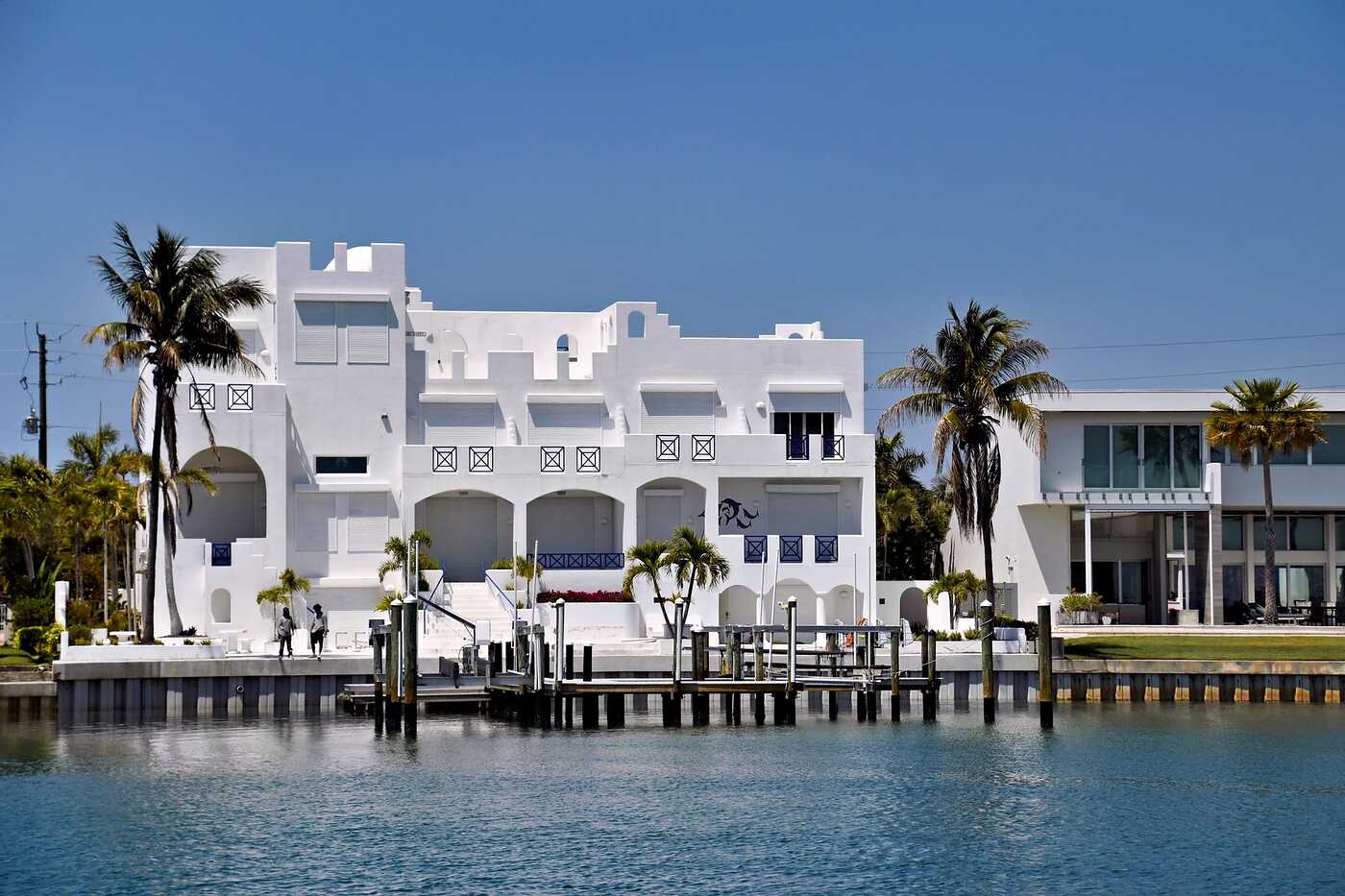
The Town of Palm Beach is a barrier island of tile-roofed estates under some of the densest canopy in the county, with landmark houses where the work has to be invisible. Roof rats use the hedges.
Free Inspection in Palm Beach
The free inspection on a Palm Beach property covers the roofline, the attic or ceiling voids, the grounds and the hedge lines, and it produces photographs of every opening with its location. Nothing is charged for it and nothing is committed to afterwards.
The island sits directly across the Intracoastal from downtown West Palm Beach, roughly two miles from the office on Clematis Street, so a contractor can be on the island quickly and visits can be scheduled to suit a household or an estate manager. Someone answers the phone at every hour, and the visit time is set to fit you rather than a route. Booking takes a minute through the contact page or a call.
Ficus hedges and banyan canopy are the road onto the roof
Privacy is the defining feature of a Palm Beach property and it is also the reason rodents reach the roof so easily here.
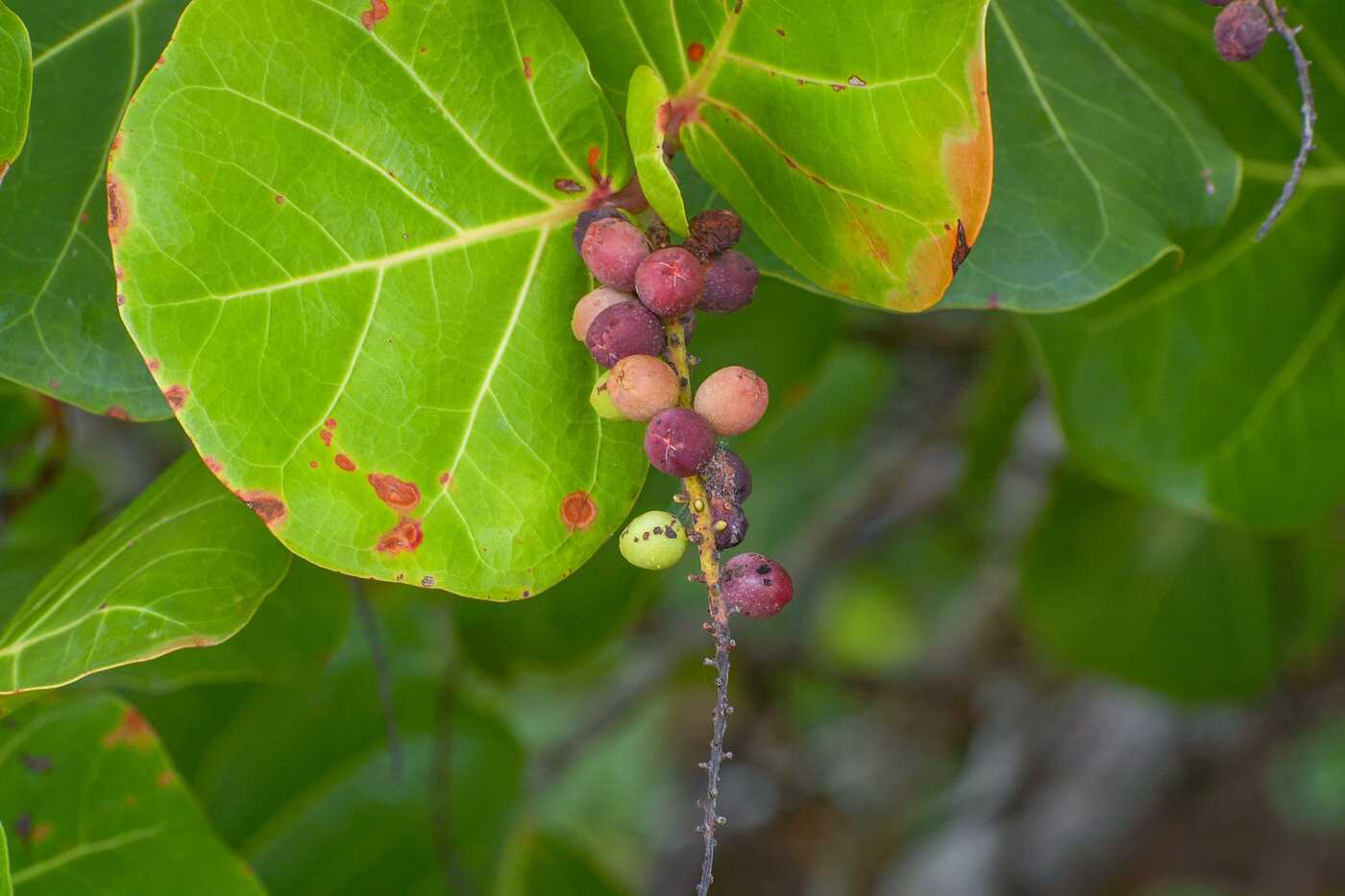
The island's hedging is mature and tall, often grown above gutter height and clipped into solid walls, and the canopy of banyans, live oaks and royal palms runs across gardens and over rooflines. UF/IFAS describes the roof rat as fully arboreal, traveling along branches, wires and palm trunks, and able to work about 150 yards from its den. A continuous hedge is better than a branch: it is covered, it carries insects and fruit, and it leads straight to a soffit or a tile eave without the animal crossing open ground.
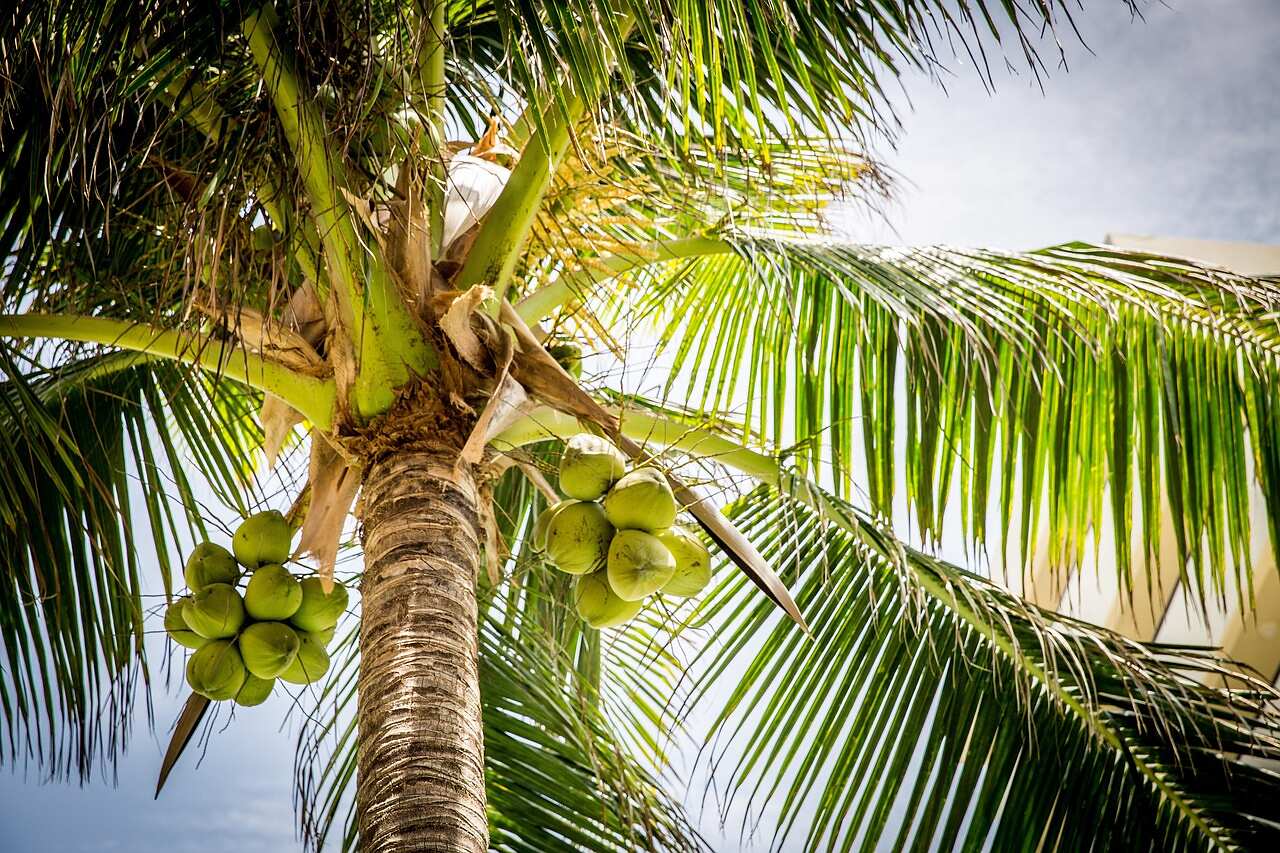
The yard findings on an island property are therefore as important as the building findings, and they are specific: clearance between hedge and wall, limbs lifted off tile, palm boot material removed from trunks near the house, and fruit picked up from the ground rather than left under the tree. That work is usually already being done by a grounds crew, which makes it a matter of adding three items to an existing schedule.
Tile roofs, parapets and the openings on an older estate
Palm Beach housing runs from 1920s Mediterranean Revival estates to mid-century and modern houses, and almost all of it is tiled.
A barrel or flat tile field leaves the first course open at the eave unless a bird stop or a mortar closure is fitted, and a roof rat gets through an opening the size of a quarter. On an older estate the eave detail is often original, the tile has been repaired in patches over decades, and hips, ridges and valleys have their own gaps. Add flat roof sections behind parapets, decorative vents, chimney and plumbing penetrations, loggias and guest houses, and a large property can have thirty closure points where a suburban house has six.
Restoration and remodeling add the rest. A historic house that has been through several renovations has line sets, data conduit and new plumbing threaded through original walls, and those penetrations are often the largest openings on the building. An inspection here takes time for that reason, and it is the only honest way to produce a closure list instead of a guess.
Work that does not show on a landmark property
Closures on the island are designed to disappear into the existing detail, because the alternative is visible on a house that people photograph.
The parts that do the work are galvanized or aluminum bird stop at the tile eave in a finish that can be matched, stainless or galvanized mesh fitted behind a decorative vent rather than across its face, sheet metal let in behind a fascia joint, and steel wool with metal over it at a wall penetration. Department of Energy guidance counts bird stopping among the measures a tile roof should carry, which makes it the recognized component rather than an improvisation. Expanding foam is the opposite on every count: visible, chewable, and capable of blocking the ventilation path under tile.
Scheduling matters as much as materials. Visits are arranged around the household, an estate manager or a property manager, traps are placed in attic and void spaces rather than in living areas, and the contractor reports in writing with photographs so an absent owner can see exactly what was done.
What We Handle in Palm Beach
Island properties need the same sequence as any other building, with more closure points and more coordination.
- Rodent inspection: a full walk of a large roofline, the voids, the grounds and the guest house, photographed with locations.
- Roof rat removal: trapping in the attic and void spaces, placed away from living areas and cleared on a schedule that suits the household.
- Rodent exclusion: bird stop along the tile eave, mesh behind decorative vents, metal at fascia joints and renovation penetrations.
- Attic cleanup: nests, droppings and soaked insulation removed from a void that has been in use, then the surfaces treated.
- Post-storm rodent inspection: a barrier island roofline checked after wind has lifted tile or pulled fascia.
- Condo and HOA rodent control: for the island's oceanfront and lakefront condo buildings, where the exterior belongs to the association.
A Typical Palm Beach Job
The situation: A 1920s Mediterranean house in the middle of the island, barrel tile over a complex roof with several hips and a flat section behind a parapet, a ficus hedge along both side boundaries clipped above gutter height, and a banyan at the rear whose limbs lie across the loggia roof. The housekeeper reports noise above a second-floor bedroom ceiling in the evenings; the owners are away for the season and the estate manager is coordinating.
What gets done: The inspection takes most of a morning and produces eleven closure points: the eave course open along two elevations with no bird stop, a decorative gable vent with corroded mesh, a data conduit run through the rear wall during a renovation, and three tile slips on the hip above the loggia. The attic void above the bedroom shows a run along a top plate and a nest of shredded material with fruit debris. Quiet openings are closed on the first visit, traps go on the run, and the eave bird stop is fitted in a matching finish after the catch stops. The grounds crew gets a three-item list: lift the banyan limbs off the loggia roof, clear eighteen inches between hedge and wall, and remove palm boot material on two trunks near the house.
How it turns out: Four animals over eleven days. The nest corner is cleaned and treated, photographs of every closure go to the estate manager for the owners' file, and nothing about the work is visible from the drive or the street.
What This Costs in Palm Beach
Palm Beach work is priced from the closure count and the size of the roofline, and the published bands are the reference a large property should still be read against.
| Stage | National band, HomeGuide 2026 | Florida reference, Angi Tampa figures |
|---|---|---|
| Inspection | $0 to $175 | Free on this line |
| Trapping and removal | $250 to $1,200 | Average $1,078 per visit, typical $441 to $1,716 |
| Exclusion of the building | $500 to $2,500 | $550 to $1,642 |
| Attic or void cleanup | $600 to $2,500 | Insulation removal $600 to $1,200 |
A large island property commonly sits above the top of a national band for one readable reason: the closure count. Thirty points on a complex tile roof is five times the work of six on a suburban eave, and a guest house or a loggia is a second building. Ask for the count, ask for the eave closure by elevation, and ask for trapping, sealing and cleanup as separate lines. Every figure is confirmed at the free inspection before anything is agreed.
Book a free inspection in your town
Palm Beach County is covered end to end. Leave a name and number, or call, and the dispatcher books the nearest licensed contractor for a free roofline and attic walk.
Why mice keep coming back
A look at the openings that make it repeat.
Video: EASY WAY to Get Rid of Mice in Your House FOREVER, from Silver Cymbal.
Common Questions in Palm Beach
What island households and estate managers ask before scheduling.
The property
Will any of this be visible on the house?
It should not be. Bird stop at the tile eave is a metal part that can be finished to match, vent mesh goes behind the louver instead of across it, and wall penetrations are packed with steel and capped with let-in metal that takes paint. The material that does show, and that gets regretted on a house like this, is expanding foam along an eave. It is also the one rodents chew through, so it fails twice.
Do I have to cut my hedges down?
No. What changes the outcome is clearance rather than removal: a gap between the hedge face and the wall, limbs lifted clear of tile, and palm boot material taken off trunks close to the building. A roof rat ranging about 150 yards will still cross the island; a house it cannot reach or enter stops being somewhere it can live. Most owners fold those three items into the grounds crew's existing schedule.
Timing and access
Can the work be done while we are away?
Yes, and a good share of island work is arranged that way through an estate manager or a property manager. Traps are placed in attic and void spaces rather than living areas, visits are scheduled and logged, and each closure is photographed with its location so an absent owner can see the work. Someone needs to hold access and authorize the scope, and a written report goes to whoever that is.
How long does it take to get rid of rats on a property this size?
Two to four weeks is typical, and the trapping is what sets the pace. UF/IFAS advises leaving traps in place at least a week because roof rats are wary of new objects, and a large canopied property usually has more than one animal. HomeGuide puts trapping a small number at two to three days and a severe case at one to two months. The closure work is staged around it: quiet openings on the first visit, the eave course once the catch stops.
Still have a question? Call (561) 589-3578 and ask.
Nearby Areas We Serve
The contractors dispatched to Palm Beach cover the neighboring towns as well, and the service area runs across the whole of Palm Beach County.
Book a Free Inspection in Palm Beach
The inspection is free, the visit can be scheduled around the household, and the findings come with photographs for your file.