Post-Storm Rodent Inspection in West Palm Beach, FL
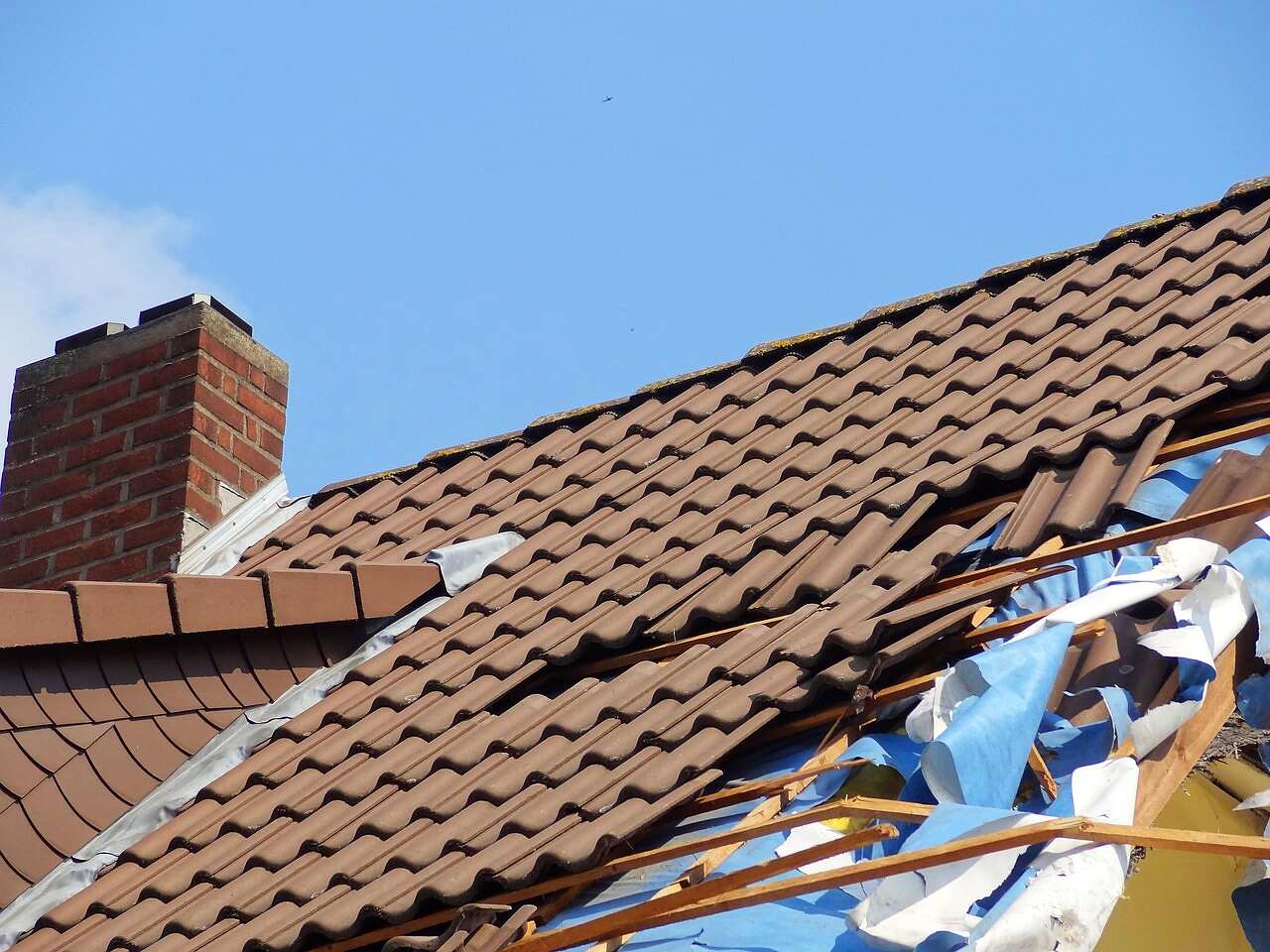
Wind lifts tile, tears fascia and opens soffit returns, and the rodents displaced by flooding find those openings within days. The inspection maps the new entries while the repair is still being scheduled.
What a post-storm rodent inspection in West Palm Beach covers
The inspection looks for new openings in the building shell, new harborage on the property, and animals that have already moved in, and it produces photographs with locations so the repairs and the rodent work can be sequenced.
On the roof the focus is the tile field and its edges. The Department of Energy documents that storms break and displace roof tiles and that one broken tile can cascade into others, and every broken or slipped tile in a barrel tile field is a hole into the eave void or the batten space. The eave course, the hips and the ridge get the closest look, along with fascia that has pulled away from the rafter tails, soffit panels lifted out of their channels, ridge vent and turbine flashing, and any penetration where the boot has moved.
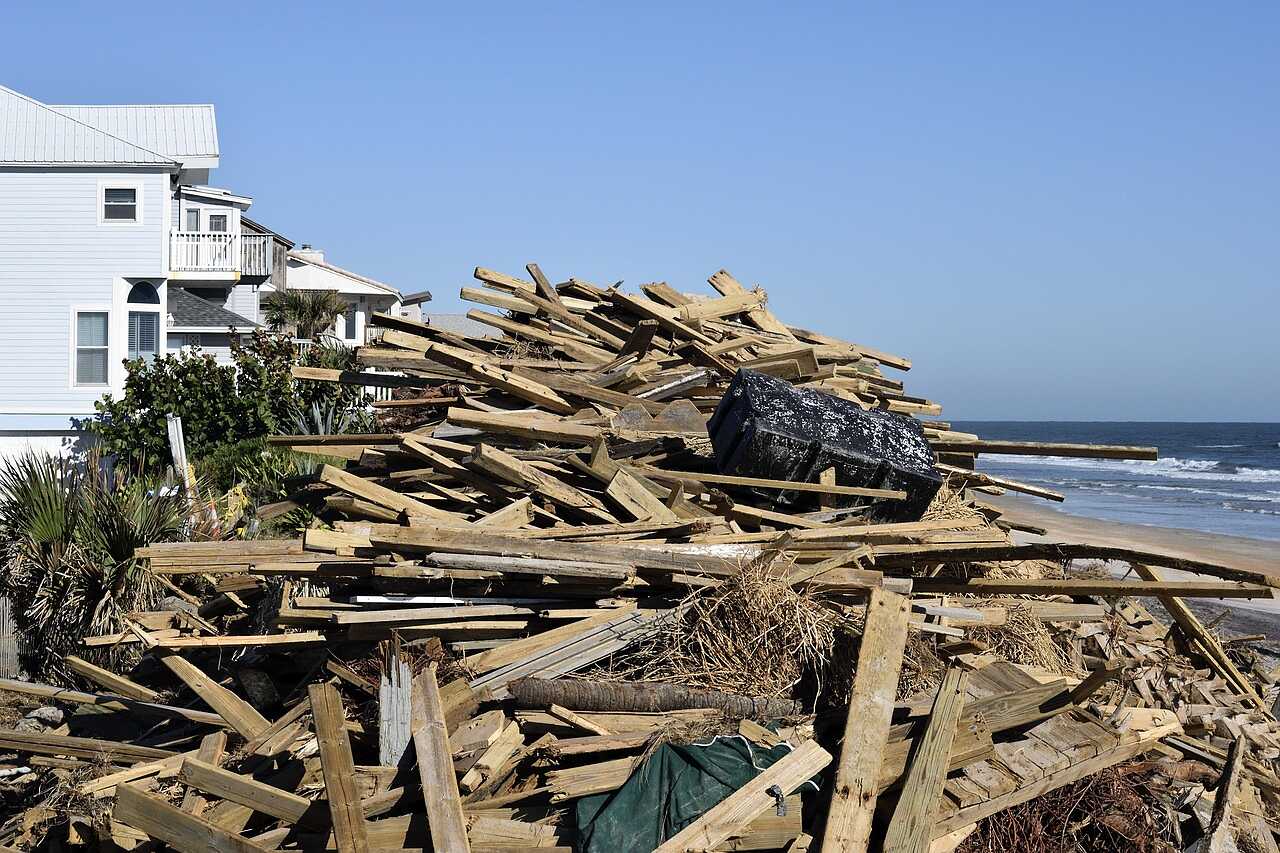
On the ground the focus is harborage and routes: debris piles, stacked fence panels, a downed tree or a pile of palm fronds against the house, a displaced dumpster, soaked insulation or drywall stacked in a carport, and mulch washed up against the wall line. Inside, the attic is walked for daylight, water staining and fresh droppings, and the active runs are mapped if anything is already using them.
Why rodent calls rise in the weeks after a storm
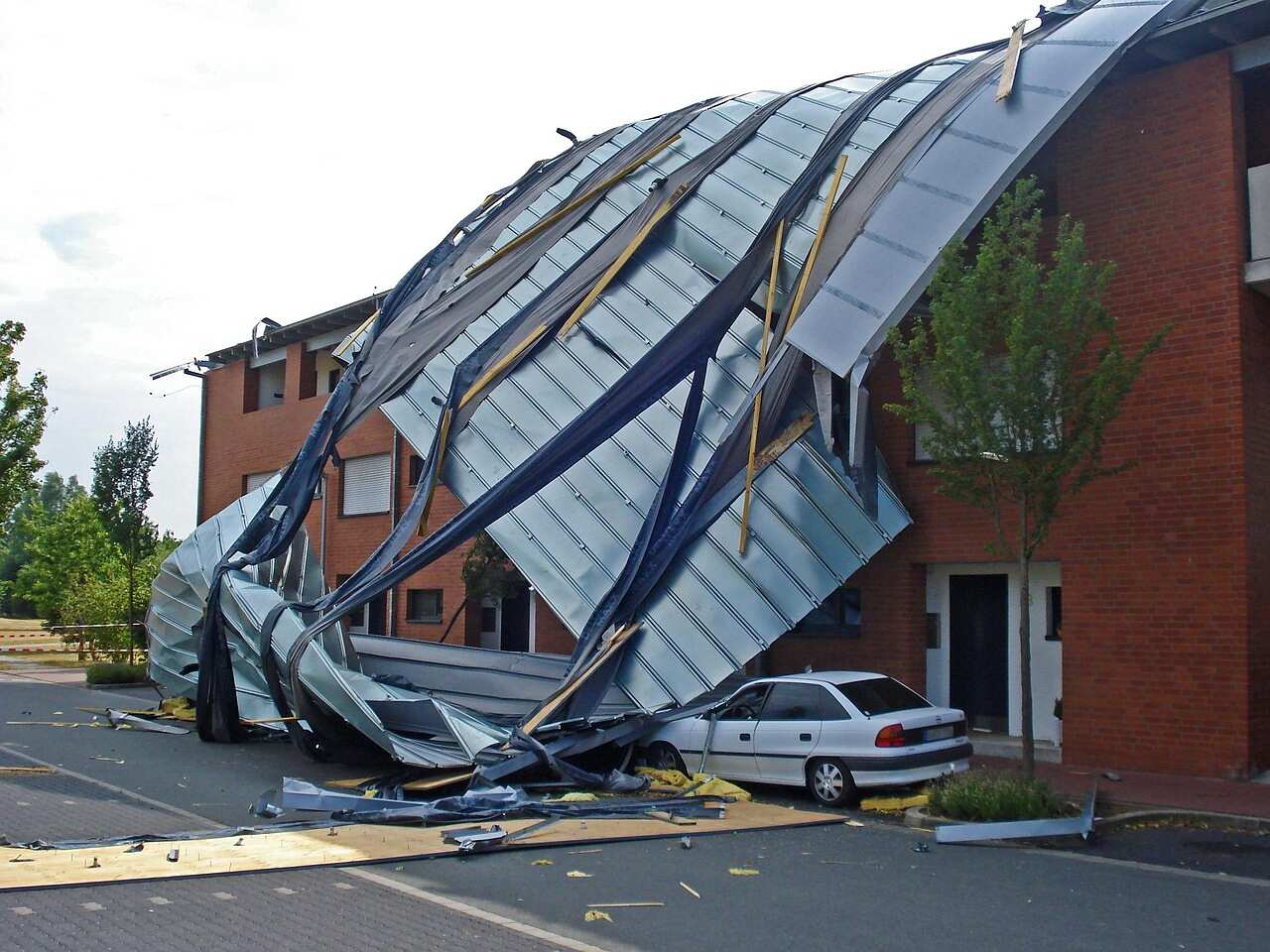
Two things happen at once: the animals lose their outdoor harborage and the buildings open up.
Flooding and surge drive ground-level rodents out of burrows, seawall voids, landscape beds and storm drains, and Norway rats in particular live in exactly the places that fill with water. The CDC ties increases in leptospirosis to hurricanes and flooding, names rodents among the reservoirs for it, and recommends rodent control as part of post-flood prevention, which is the clearest public health statement available on why this period matters. Roof rats, already arboreal and already in the canopy, move when the trees they were living in come down.
At the same time the shell of the building fails in the specific places rodents use. A quarter inch is the rodent-proofing standard UF/IFAS publishes, and a storm produces gaps far larger than that at fascia joints, soffit returns and broken tile edges. Florida operators describe call spikes in the weeks after a storm, and the reason is mechanical rather than mysterious.
There is a third factor that gets overlooked. Repairs take time. A tarp is weeks of waiting for a roofing crew in a busy season, and a tarped or partly opened roof is an invitation for as long as it is up.
How temporary closure works before the permanent repair
The rodent work is staged so nothing is done twice: find the openings, close them in a way the roofer can undo, trap whatever is inside, then close permanently once the repair is finished.
Temporary closure means steel mesh stapled or wired into a soffit return, a mesh panel over a missing tile section under the tarp, hardware cloth at a lifted fascia joint, and heavy-gauge mesh at ground-level penetrations. All of it is removable. None of it should involve expanding foam, which fails as a rodent barrier because the animals chew straight through it, and which can also block the ventilation path the attic needs.
Why the trapping still has to happen
Closing a roofline with animals inside leaves them in the building, and the ones in the attic will find a way to the living space or die in a wall. The order on a storm job is the same as on any other: seal the quiet openings, trap the active runs, close the last of them when the traps go quiet. UF/IFAS advises leaving traps in place at least a week because roof rats are wary of anything new, so the trapping runs over a week or more rather than a single visit.
Coordinating with the roofer
The contractor we route will put the rodent-related findings in writing with photographs so the roofing crew knows which eave sections need a bird stop fitted when the tile goes back. That single page is the cheapest part of the job and the part most often skipped, and it is the difference between a repaired roof that is closed and a repaired roof that is open at the eave.
What the inspection gives you for the insurance file
The inspection produces dated photographs of each opening with its location, a written description of the damage and what it exposes, and a note of any rodent activity already present, which is the evidence an adjuster asks for.
Be realistic about what a policy covers. Most homeowners policies exclude damage caused by rodents while covering wind damage to the structure, so the useful framing is that the storm caused the opening and the opening is being documented and closed. The contractor is not an adjuster and will not tell you what your policy pays. What the file does is keep the two questions separate and dated, which is the thing that goes wrong when the only record is a memory of which week the tiles came off.
Where a sale, a closing or a lender is in the picture, the same findings can be written up more formally as a rodent clearance letter once the openings are closed and the trapping is finished.
What post-storm rodent work costs in West Palm Beach
The inspection itself is free, and the work it leads to is read against the same published bands as any other rodent job.
| Stage | Typical band | Source |
|---|---|---|
| Inspection and documented findings | Free here; $0 to $175 nationally | HomeGuide 2026, national |
| Temporary closure plus permanent exclusion | $500 to $2,500 | HomeGuide 2026, national |
| Trapping what is already inside | $250 to $1,200 | HomeGuide 2026, national |
| Attic cleanup where insulation is soiled or soaked | $600 to $2,500 | HomeGuide 2026, national |
| Exclusion, Florida reference | $550 to $1,642 | Angi, Tampa figures |
Storm conditions push a job toward the upper half of a band for readable reasons: a tarped roof needs care to work on, two visits are often needed because the permanent closure waits for the roofer, and wet insulation adds a cleanup line that a dry attic does not have. Roof tile closure work costs more than shingle work in any season because the eave course is closed along its full length.
A storm market also produces knock-on-the-door pricing. Get the number in writing, ask what is temporary and what is permanent, and ask what the second visit costs before you agree to the first.
Storm season in Palm Beach County and what it does to a roofline
Hurricane season runs from June through November here, which overlaps the summer months when heat is already pushing rodents into cooled attics and garages.
The local building stock decides where the damage turns into an entry. The 1980s to 2000s tile stock that dominates the gated communities on the west side of the city and across the county is the most exposed, because a barrel tile field has a long eave course and broken tiles cascade. Older wood-framed houses in El Cid, Flamingo Park, Old Northwood and Grandview Heights lose fascia and wood soffit sections, which open directly into the attic. The 1950s to 1970s ranch stock in the south end and around Palm Beach Lakes has aluminum soffit panels that lift out of their channels in high wind and look undamaged from the street.
Downtown, the condo towers along Flagler Drive have a different exposure: the openings are in association property, so the unit owner reports and the association acts, which is handled under condo and HOA rodent control. In gated communities, even a temporary mesh closure can need architectural review sign-off, which is worth starting on the same day as the inspection.
No post-storm rodent statistic appears anywhere in this material. Those numbers circulate and every one of them is unsourced. What is sourced is the CDC guidance on leptospirosis and flooding, the Department of Energy on tiles breaking and cascading, and the quarter-inch standard from UF/IFAS.
What to check on a contractor in a storm season
Verify the license, get the scope in writing, and keep the temporary and permanent work on separate lines.
- Ask for the FDACS credential. Trapping rats or mice in, on or under a structure for hire in Florida requires at minimum an FDACS Limited Wildlife Management Certificate, and a business applying rodenticide needs an FDACS license with a certified operator. Every contractor we route carries what the job needs; confirm the number through the FDACS lookup.
- Ask for the findings as dated photographs with locations, whether or not you are making an insurance claim.
- Ask what is being closed temporarily and what waits for the roofer, and get both priced.
- Ask whether any foam is being used. The answer you want is steel mesh and hardware cloth.
- Ask whether the eave course will be fitted with a bird stop when the tile goes back, and make sure that note reaches the roofing crew.
- Ask how long traps stay in place; under a week is too short for roof rats.
This service usually runs with rodent exclusion for the permanent closure and roof rat removal for whatever is already inside. The about page explains who attends and the contact page has the hours.
Services that run alongside this one
A West Palm Beach rodent job is rarely one service on its own; these are the steps that usually sit before or after this one.
- Rodent Exclusion: Closing the tile eave with a metal bird stop, then every vent, soffit return and line-set sleeve, to the quarter-inch standard.
- Rodent Inspection: A free walk of the eave course, the attic and the yard trees that sets the order of the job and produces the written quote.
- Roof Rat Removal: Snap trapping along the runways of the palm rat that fills Palm Beach County attics, sequenced with sealing.
The about page explains how the line works and which credential to check, and the phone is answered at any hour.
How a post-storm inspection runs
Five steps built around the fact that the roofing repair and the rodent work happen on different schedules.
-
Free inspection of the shell
Roof edges, tile field, fascia, soffit, vents and penetrations are checked from a ladder and the attic is walked for daylight, staining and fresh droppings.
-
Photographed findings
Each opening is photographed with its location and dated, along with any harborage on the property and any activity already inside.
-
Temporary closure
Steel mesh and hardware cloth close the openings in a removable way, so the roofing crew can work without undoing anything permanent.
-
Trapping the animals inside
Traps go on the active runs and stay at least a week, since roof rats avoid new objects and a short trapping window misses animals.
-
Permanent closure after the repair
Once the roof is repaired, the eave course, vents and penetrations are closed properly, with a bird stop where the tile line needs one.
What to expect
A storm-season visit is arranged around the tarp, the roofer and the insurance timeline.
- A ladder check of the roof edge and the tile field, plus an attic walk
- Dated photographs of every opening, with its location written down
- Temporary steel mesh closure the same visit where it is safe to fit
- A written note for the roofing crew about the eave course and the bird stop
- A second visit scheduled for permanent closure after the repair
Why a storm job is booked through this line
The openings are recorded before they are hidden
A tarp, a repair crew and three weeks of weather erase the evidence of how a building was opened. The inspection dates and photographs each opening first, which serves the adjuster, the roofer and the person who has to decide what the rodent work needs to cover.
Department of Energy: storms break and displace roof tiles, and one broken tile can cascade into others
Temporary closure is built to be undone
Steel mesh and hardware cloth fitted so a roofing crew can remove them keeps the animals out during the wait without creating a second demolition job. Expanding foam does neither: rodents chew through it and it can block the attic ventilation path the roof assembly depends on.
UF/IFAS: a quarter inch opening is the rodent-proofing standard, which storm gaps exceed many times over
The public health part is stated accurately
The reason to deal with rodents after flooding is documented rather than invented. The CDC links increases in leptospirosis to hurricanes and floods, names rodents among the reservoirs, and recommends rodent control as post-flood prevention. No post-storm rodent percentage is quoted here because no sourced one exists.
CDC: rodent control recommended as part of post-flood disease prevention
What Reddit Says About Rodents After a Storm in West Palm Beach
The storm threads in the Florida corpus are about the week after: no power, a tarp on the roof, debris at the curb, and then scratching in the ceiling that was never there before. The advice that comes back is consistent, which is to get the roofline looked at and photographed before the repair crew arrives, because nobody remembers afterwards which gap was which.
The most common mistake people describe is foaming the gaps themselves while waiting for a roofer. It holds for a few weeks and then there are teeth marks in it. The regulars push steel mesh or hardware cloth for anything temporary, and they are firm that a tarped roof is an open roof for as long as it is up.
The second theme is the contractor rush. Posts describe door-knockers in the week after a storm quoting a flat figure for a full exclusion sight unseen, and quotes that bundle roof repair and rodent work into one number that nobody can check. The advice is to keep the roofer and the rodent contractor separate, and to insist that the eave closure goes back when the tile does.
They also warn about insurance expectations. The repeated point is that policies typically exclude rodent damage while covering wind damage, so the photographs matter and the claim conversation is a separate one. People who documented early had an easier time than people who called three months later.
The free inspection here is the documented version of that advice: the openings photographed and dated, the temporary closure fitted in steel, and the permanent work scheduled for after the repair.
A typical storm job on a tile-roofed house in the western suburbs
The situation: A late-1990s block and stucco house in a gated golf community west of the city, barrel tile roof, the kind of property where exterior work needs architectural review. A tropical system clipped the coast and the owner found four broken tiles along a hip and a section of aluminum soffit lifted out of its channel at the rear. A roofing crew is booked for six weeks out. Scratching above the master closet started eleven days after the storm.
What gets done: The ladder check finds the broken hip tiles open into the batten space, the lifted soffit panel open into the attic, and a second soffit return at the front loose enough to push a finger into. The attic walk finds fresh droppings and a run along the rear top plate, with daylight visible at the soffit. Photographs are taken and dated at each point. The soffit openings get hardware cloth pinned in a way the roofer can pull out, and a mesh panel goes under the tarp edge at the hip. Traps go on the rear top plate run and stay nine days. The architectural review form for the eventual bird stop is filled out the same week so the approval is in hand before the roofing crew arrives.
How it turns out: Three animals out over nine days, no further activity, and a one-page note for the roofer listing the hip and the eave course sections that need closure when the tile is reset. The permanent exclusion visit happens the week after the roof is finished, and the attic insulation turns out to be dry enough to leave.
Book the free inspection for this service
Describe what you hear and where, and a dispatcher lines up the nearest FDACS-licensed contractor. The phone is answered at every hour and the inspection carries no charge.
Storm season questions from Palm Beach County
What callers ask in the weeks after a system comes through.
Timing and repairs
Should I wait for the roofer before doing anything about the rats?
No. The inspection and the trapping should start now and the permanent sealing should wait for the repair. A tarped or partly opened roof stays open for as long as the repair takes, which in a busy season is weeks, and animals that get in during that window are in your insulation and on your top plates by the time the crew arrives. Temporary steel mesh closure plus trapping now, permanent closure after the tile goes back, is the sequence that costs the least overall.
How soon after a storm do rodents get in?
Within days where an opening is large and obvious, which is why callers so often date the first scratching to the second week. Flooding moves ground rodents out of burrows and drains, and roof rats that were living in a tree that came down have to go somewhere. The CDC recommends rodent control as part of post-flood prevention for related reasons. There is no credible published figure for how much rodent activity rises after a hurricane, so no figure is given for it.
Can I just foam the gaps myself until the roofer comes?
Foam will not hold. Rodents chew through expanding foam, and in a tile roof assembly filling the eave can also block the ventilation path the attic depends on. Steel mesh or galvanized hardware cloth, cut generously and pinned or wired so a roofing crew can remove it, is the temporary material that works. If you fit it yourself, wear gloves, stay off a wet tile roof, and photograph each spot before you cover it.
Damage and paperwork
Will my insurance cover this?
Policies commonly cover wind damage to the structure and exclude damage caused by rodents, so the two parts of the situation are handled separately and your policy or your agent is the authority on yours. What helps either way is dated photographs of each opening and a written description of what it exposes, taken before the repair hides it. A contractor on this line produces that record and leaves the coverage question to your adjuster.
The damage is on my condo building rather than my unit. Who handles it?
The association, in almost every case, because the roof, the exterior walls and the soffits are association property. The unit owner's job is to report it in writing with photographs and a location, and to ask the manager what the building is doing about the roofline. Unit-side sealing at pipe chases and under-sink penetrations can go ahead meanwhile. That split is covered in detail under condo and HOA rodent control.
Still have a question? Call (561) 589-3578 and ask.
Book a free post-storm inspection
The roofline gets checked and photographed while the repair is still being scheduled. Call at any hour to set a time.