Rodent Removal in Lantana, FL
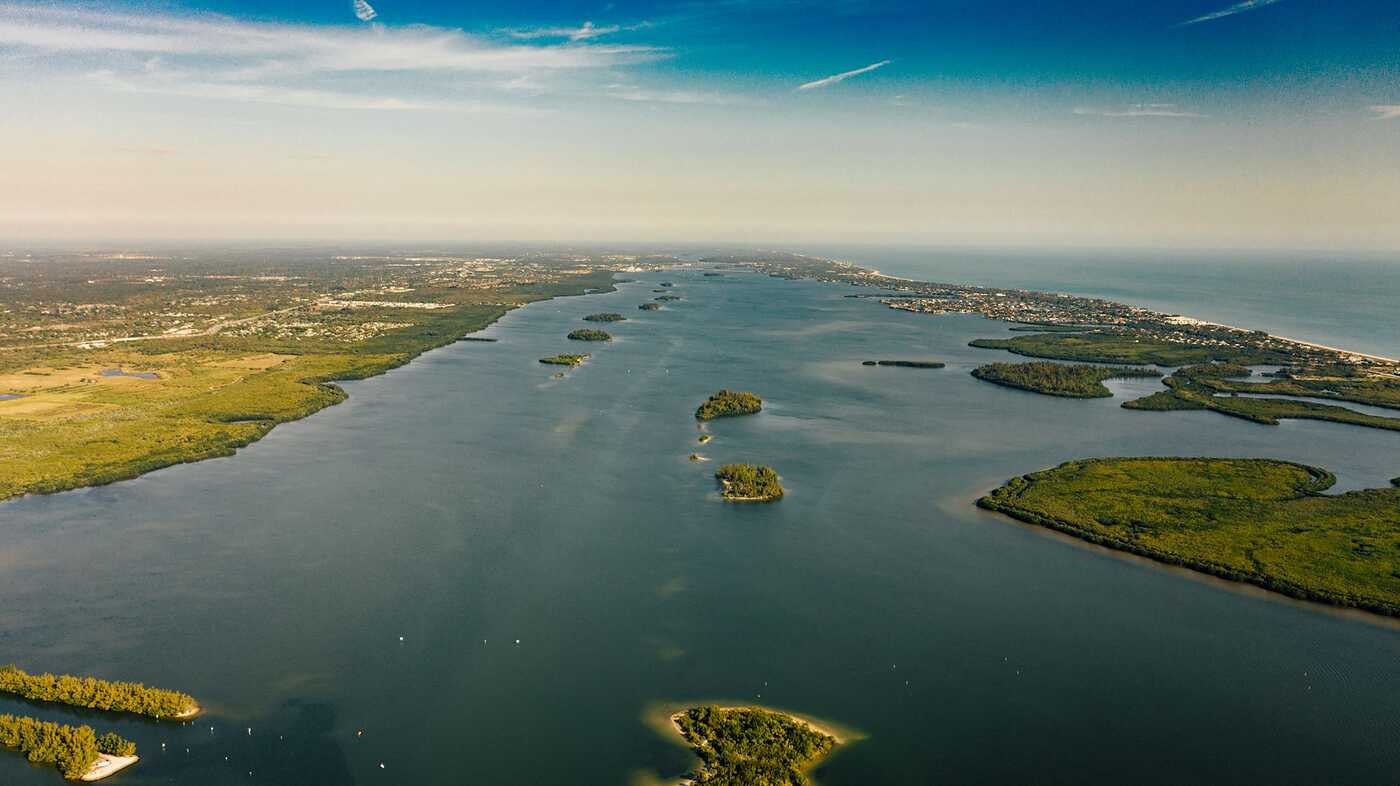
Lantana is a small town on the Lake Worth Lagoon with mid-century housing, marina frontage and a preserve on the island side. Water and compact lots decide where the work goes.
Free Inspection in Lantana
The inspection is free and covers the soffit and eave line, the attic, the slab line and grade penetrations, and any dock, seawall or dense planting at the water edge, with photographs and locations for every finding.
Lantana is about nine miles south of the Clematis Street office, a straightforward run down the coast road. Someone answers the phone at any hour, and a visit is usually available within a day or two. Book it on the contact page or by calling.
Compact lots and mid-century housing
Lantana's residential streets are mostly modest single-story houses on small lots, much of it built from the 1950s through the 1970s on slabs, with shallow roofs and aluminum or wood soffits.
On that stock the openings are few and predictable: soffit panels lifted out of their channels at a corner or a carport junction, gable vent screening corroded at its lower edge, a turbine or ridge vent loose on its flashing, penetrations at the edge of a low-slope porch or carport roof, and the junction where a replacement roof meets the original fascia. A quarter-inch opening is all a rodent needs, which is the standard UF/IFAS publishes, and every item on that list exceeds it when it fails.
Small lots matter as much as the houses. With buildings, fences and hedges close together, a roof rat working about 150 yards from its den covers several properties without coming to ground, and it will use whichever roof on the block is open. That is why the useful measure of a job here is whether your own building is closed rather than how many animals came out of it.
The lagoon, the marina and the island side
The town fronts the Lake Worth Lagoon, with marina and dock frontage and a preserve on the island across the bridge, and that water edge brings the burrowing species into play.
Norway rats work at ground level: burrows behind seawall caps, under dock structures and boardwalks, in riprap, around drainage outfalls, and beneath dense waterside planting. A marina adds stored gear, bait and food waste. A property near that edge can have a ground-level problem entirely separate from anything in its attic, and sealing an eave will do nothing for it.
The species question is therefore settled first. Roof rat droppings are a quarter to half an inch long and banana shaped with pointed ends, and activity runs along top plates and at the eave. Burrow entrances with worn runs, gnawing at grade and disturbance at a seawall point the other way. The sealing then follows: eave, vents and roof penetrations above, or slab line, garage, hose bib and utility entries below, and sometimes both with separate prices.
Storm exposure on a lagoon-front town
Hurricane season here runs June through November, and a low-lying town on a lagoon gets both halves of the problem: wind on the roofline and water in the harborage.
Wind lifts soffit panels from their channels, pulls fascia from rafter tails and breaks roof tiles. The Department of Energy documents that storms break and displace roof tiles and that one broken tile can cascade into others, which opens a tile field into the eave void. A lifted panel that drops back into place looks fine from the street and is open at one end, which is why a ladder check after a storm finds things a walk around the house does not.
Flooding moves the ground-level animals. Surge and heavy rain push rodents out of burrows, drains and waterside harborage, and the CDC links increases in leptospirosis to hurricanes and floods, names rodents among the reservoirs and recommends rodent control as part of post-flood prevention. Debris piles left at the curb for weeks after a storm are harborage in their own right. No credible figure exists for how far rodent activity rises after a storm, so none is given here.
What We Handle in Lantana
Most Lantana jobs are short and specific, with a second front at ground level on the water side.
- Rodent inspection: soffit line, vents, attic, slab line and the water edge, photographed with locations.
- Roof rat removal: traps along the attic runs, in place long enough for animals that avoid new objects.
- Rodent exclusion: panels reseated with mesh behind the returns, vents rescreened, grade penetrations closed in mortar and metal.
- Post-storm rodent inspection: the roofline documented and temporarily closed while the repair is scheduled.
- Attic cleanup: soiled bays and nests removed once the openings are shut.
- Commercial rodent control: for the town's marina businesses, restaurants and small retail, with documented visits.
A Typical Lantana Job
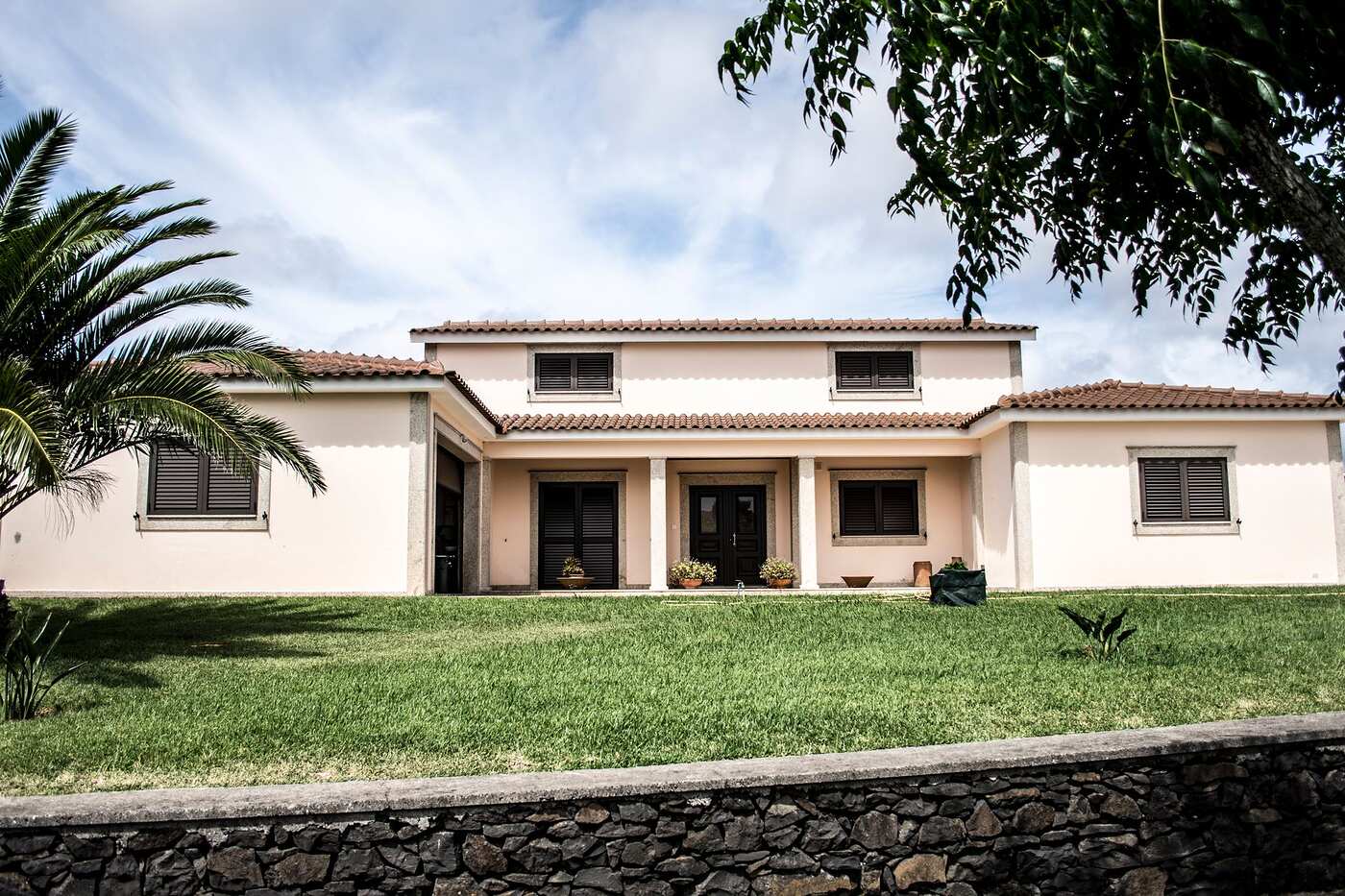
The situation: A 1957 single-story house three streets back from the lagoon, shingle roof replaced after a storm several years ago, aluminum soffits, a low attic with blown-in insulation, and a dense hibiscus hedge along the side wall. The owner hears something overhead before dawn and has also found droppings in the garage near a shelf of garden supplies.
What gets done: The inspection finds two soffit panels sitting proud at the rear return where the reroof crew left them, a gable vent screen gone at the bottom corner, and a gap under the garage side door. The attic shows a flattened run in the insulation along the rear top plate with roof rat droppings, and the garage droppings are from the same species working down through the attic access. The vent and the panels are closed on the first visit with mesh behind the returns, a door sweep is fitted to the garage side door, and traps go on the attic run and in the garage. The hedge is marked for cutting back a foot from the wall, and an open sack of fertilizer goes into a sealed bin.
How it turns out: Three animals across eight days. One joist bay of flattened insulation is bagged and topped up; the rest is dry and stays. The owner gets separate prices for the closures, the trapping and the insulation bay, which totals less than the single bundled figure a previous company had quoted.
What This Costs in Lantana
Published bands frame every quote, and the free inspection is what fixes the number for a particular house.
| Stage of work | Typical band and source |
|---|---|
| Inspection | Free here; national guides list $0 to $175 (HomeGuide 2026) |
| Trapping and removal | $250 to $1,200 (HomeGuide 2026, national) |
| Exclusion of the house | $500 to $2,500 (HomeGuide 2026); $550 to $1,642 (Angi, Tampa figures) |
| Attic cleanup and decontamination | $600 to $2,500 (HomeGuide 2026, national) |
| Insulation work | $2.50 to $5.50 per square foot (HomeGuide 2026, national) |
A small single-story house with four or five closures belongs in the lower half of the exclusion band, and per-square-foot insulation pricing is worth asking for rather than a flat attic figure. Where a ground-level problem runs alongside the roofline one, that work is its own line with its own price. Every band here is a typical-job range from a published guide, confirmed at the inspection before anything is agreed.
Book a free inspection in your town
Palm Beach County is covered end to end. Leave a name and number, or call, and the dispatcher books the nearest licensed contractor for a free roofline and attic walk.
Keeping rodents out once they are gone
Three approaches, and why sealing is the one that lasts.
Video: 3 Ways To Get Rid Of Mice or Rats, And Keep Them Out!, from Everything Homestead.
Common Questions in Lantana
What callers in this town ask before they book.
The water and the yard
Do the rats come from the lagoon?
Some do and they are not the ones in your attic. Seawalls, dock structures, riprap, outfalls and dense waterside planting are Norway rat habitat, a burrowing ground-level species, while the animals in a roofline here are roof rats that arrive along branches, fences and wires. A property near the water can have both with entry points at opposite ends of the building, so the inspection covers the slab line as well as the eave and the findings say which is where.
Will cutting my hedge back really make a difference?
It removes a covered route to the wall and the roof, which is a real part of the outcome rather than a token gesture. A dense hedge against a building gives an animal cover, shade and an approach nobody can see, and at ground level it hides burrowing. A foot of clearance between hedge face and wall, plus branches lifted off the roof, changes the traffic. It does not replace sealing the building, and sealing works better once it is done.
Storms and scope
Is a roofline check worth it after a storm when nothing looks damaged?
Usually yes, because the damage that lets rodents in rarely looks like damage from the ground. A soffit panel that lifted and dropped back is open at one end, and a broken tile at a hip shows nothing from the street; the Department of Energy notes that storms break and displace tiles and that one broken tile cascades into others. A post-storm check photographs and dates each opening, which also gives you a record before a repair covers it up.
Can I get just the trapping done and leave the sealing for later?
You can, and it is worth knowing what that buys. Trapping clears the animals that are inside now; with the openings still there, new ones arrive, which is the cycle behind most repeat service contracts. If budget forces a split, the better order is trapping plus the two or three closures the animals are using, then the remaining openings when you can. Ask for the closures listed individually so you can stage them in a sensible order.
Still have a question? Call (561) 589-3578 and ask.
Nearby Areas We Serve
The contractors dispatched to Lantana cover the neighboring towns as well, and the service area runs across the whole of Palm Beach County.
Book a Free Inspection in Lantana
The inspection is free and covers the water edge as well as the roof, so nothing gets priced that does not need doing.