Rodent Removal Services in West Palm Beach
Ten services in the order a job runs: animals out, building closed, attic repaired. Each one carried out by an FDACS-licensed contractor after a free inspection.
The order the work runs in, and why it matters here
Sealing is the spine of every job on this list, because trapping with nothing closed is the practice people who have been through it criticize most. The order is: record every opening, close the ones with no traffic, trap the animals still inside, close the last runs once the traps go quiet, then deal with what was left behind in the attic.
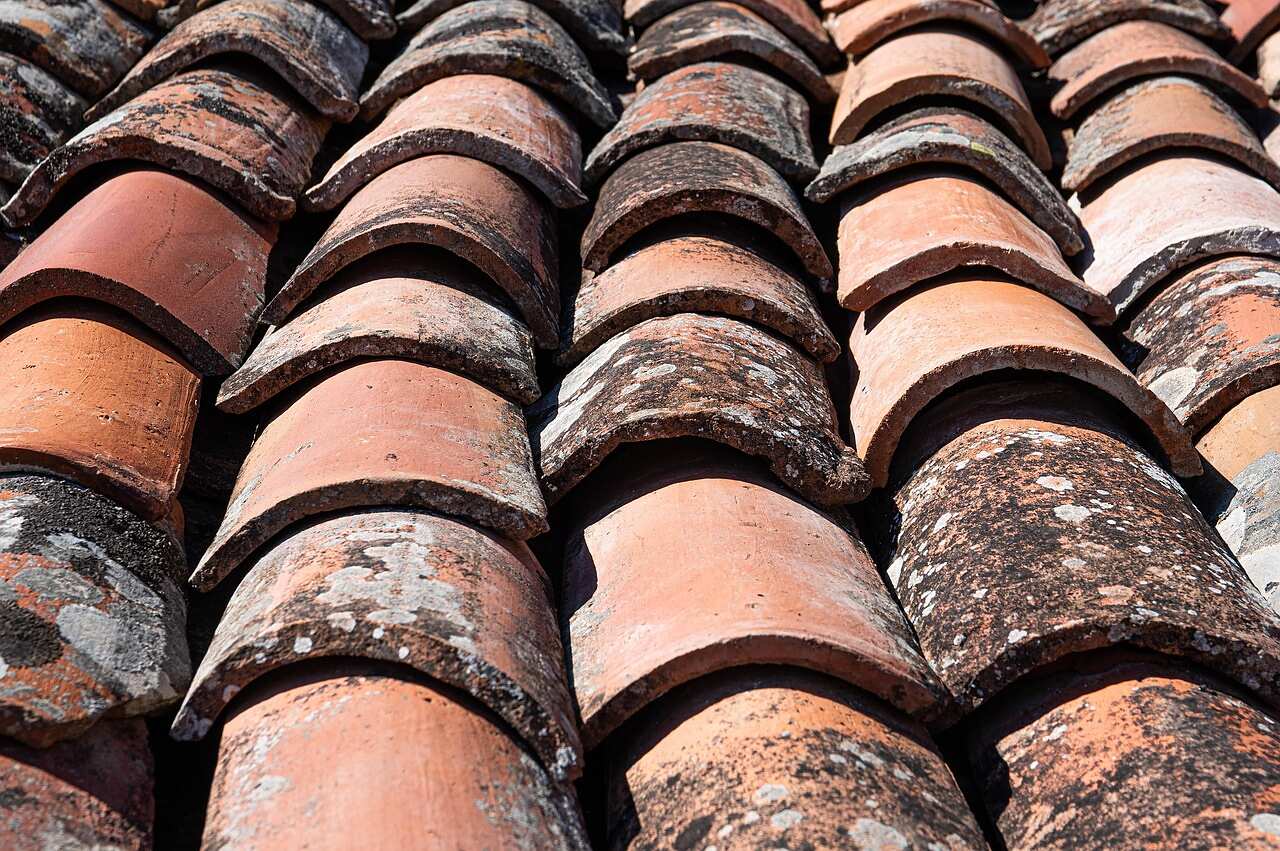
On a West Palm Beach house that means the tile eave first. The half-round gaps under the first course get a metal bird stop, the gable and off-ridge vents get steel mesh, the AC line-set sleeve through the block gets sealed, and in the older districts the wood soffit returns are checked where a mango limb meets the roof. The inspection photographs each of these, and the quote prices trapping, sealing and cleanup as separate lines so nothing has to be judged on faith.
Where an association owns the exterior, the paperwork is part of the scope. The about page covers who attends and which license to check; the contact page has the hours and the Clematis Street address.
The services, grouped by where they sit in the job
Removal comes first, sealing decides whether it holds, and the attic work depends on what is found once the animals are gone.
Roof Rat Removal
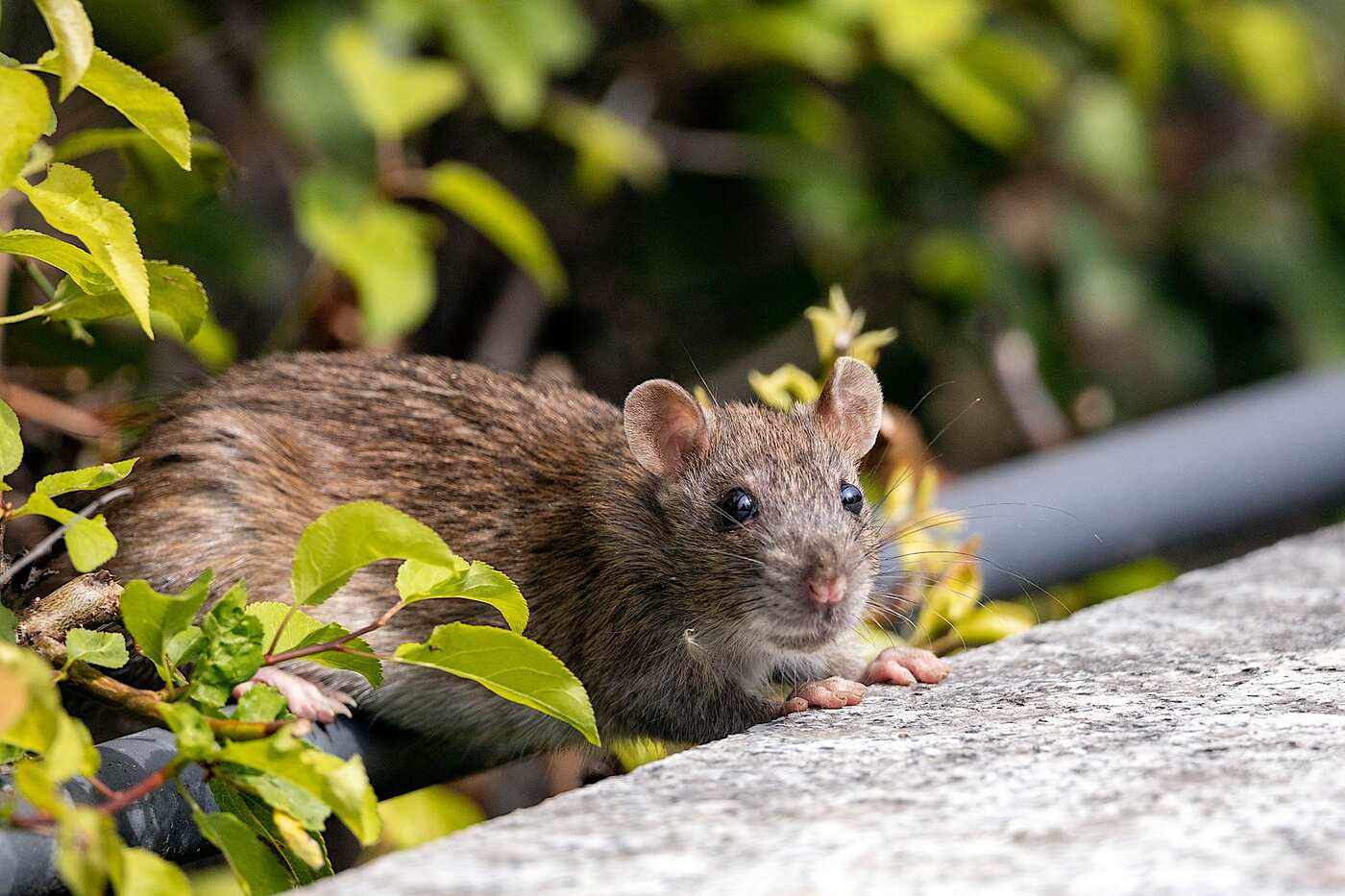
The palm rat is the animal behind nearly every West Palm Beach attic call. It reaches the roof along a mango limb or a palm trunk, enters at the tile eave or a soffit return, and breeds all year. Trapping it out and closing the way in are quoted as two lines of one plan.
About roof rat removalGetting them out
Trapping in the runs that are in use, the carcass search when something has already died, and the commercial version with documentation.
Closing the building
The eave course, the vents and the association paperwork, plus the inspections that find the openings and put the findings in writing.
Repairing the attic
What is left behind once the roofline is sealed and the traps have gone quiet.
Rat holes around a building
What a burrow looks like, and where it leads.
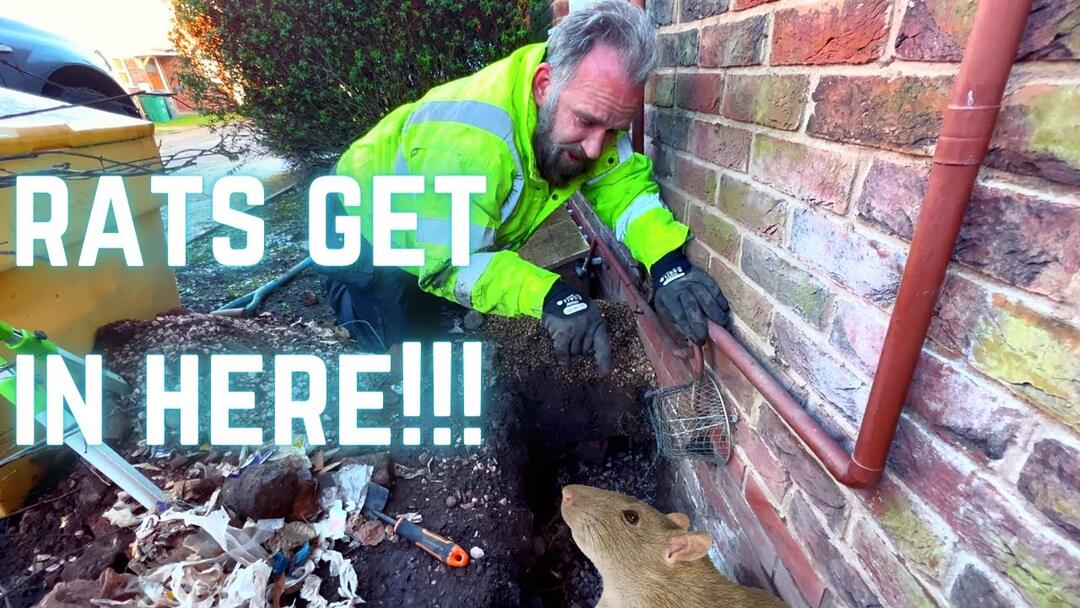
Video: RAT holes around your house? How to stop rats burrowing, from Pest Interceptors.
What every service on the list shares
The order of work and the paperwork are the same whichever page you open.
One free visit feeds every service on the list
The same walk of the eave course, the attic and the yard trees starts every job, whichever page brought you here. The written findings say which openings carry traffic, whether the animal is a roof rat or a Norway rat, and whether the insulation needs to come out, and the quote is built from that rather than from a phone description.
A standalone rodent inspection runs $0 to $175 nationally per HomeGuide 2026; here it is free
Trapping, sealing and cleanup are never one number
Homeowners comparing notes online say a bundled figure was the thing they could never judge, and a plan that folds a monitoring contract into the removal price is a recognized warning sign. Every quote produced through this line separates the three, and each service page prints the band the line should fall inside.
Trapping and removal $250 to $1,200 nationally, HomeGuide 2026
The credential matches the service
Trapping rats or mice in, on or under a structure for hire in Florida needs at minimum an FDACS Limited Wildlife Management Certificate. Any rodenticide work needs an FDACS-licensed pest control business with a certified operator. The contractor dispatched for a service holds what that service requires, and the license number is yours to check before the ladder goes up.
FDACS Chapter 482, Florida pest control licensing
Picking the right page
Where to start, by what you are dealing with.
Starting out
I hear noises at night but have seen nothing. Where do I start?
With the free inspection. It walks the eave course and the attic, reads the droppings and rub marks to identify the species, and records every opening with a photograph. Everything quoted for trapping and sealing comes off that report, and the visit is identical whichever service turns out to be needed.
The traps are catching rats. Do I still need sealing?
Yes, because they are catching replacements. UF/IFAS puts the rat-proofing standard at a quarter inch, and a roof rat can range about 150 yards from its den, so an open tile eave keeps the supply coming from well past your own yard. Exclusion is what gives the trapping an end.
Approvals and the attic
Does my HOA or condo board have to approve the work?
For anything on the exterior, usually yes. In the gated communities on the west side an architectural review board signs off on a bird stop or a vent screen; in a downtown tower the exterior is association property and the manager decides. The contractor writes the findings in the form the board needs, and the interior work in your own unit or attic goes ahead in the meantime.
Does the insulation have to come out?
Only where it is packed into runs or wet with urine. The Department of Energy states that compressed insulation does not deliver its rated R-value and wet insulation performs poorly, and a Palm Beach County attic in August runs hot enough that soiled blown-in material breaks down fast. The inspection looks for those conditions and the quote separates cleanup from replacement.
Still have a question? Call (561) 589-3578 and ask.

Unsure which one you need?
Call and describe what you are hearing. Which service fits is worked out by the dispatcher, who then books the free inspection.