
About Rodent Removal West Palm Beach
One phone number, answered at every hour, that puts a Palm Beach County property owner in front of a licensed rodent contractor with a free inspection and a written, itemized quote.
What the phone line does
The number on every page reaches a dispatcher 24 hours a day, and the point of that first call is to work out what has happened at the property and get the response moving. You say what you hear, which room, what hour, how long it has gone on, and whether you have found droppings or a hollowed mango under the tree. That narrows the species before anyone drives out and decides whether the first visit is a routine eave inspection or something that needs a quicker slot.
From there the nearest licensed contractor is booked for a free inspection. The inspection is the product: the eave course, the vents, the attic, the interior signs and the yard trees are walked and photographed, every opening is recorded, and a quote is written from it with trapping, sealing and cleanup on separate lines. Where a board or a manager has to approve exterior work, the findings are written in the form they need.
The office is at 312 Clematis St, in the Anthony Building downtown, a 1920s five-story building a block from the Brightline station. Written contact goes through the form on the contact page; no quote is given from a form alone.
What to expect on the job
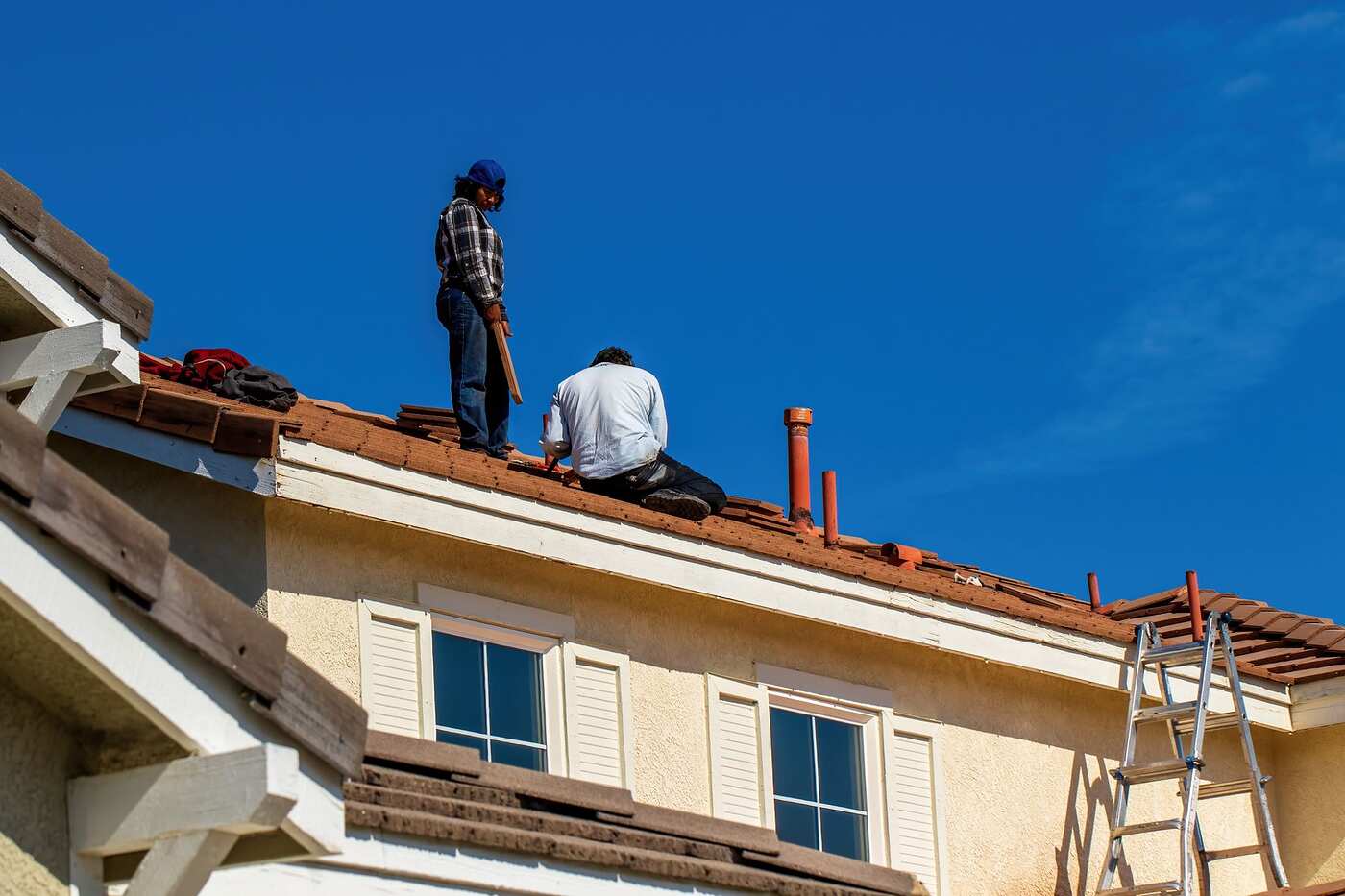
Expect a ladder at the eave before anyone opens the attic hatch, because on a Palm Beach County house the way in is at the roof. On tile, the first course is checked tile by tile for a missing or corroded bird stop; on the older houses the wood soffit returns and gable screens are checked where a limb meets the roof. Then the attic, for droppings, rub marks and insulation packed into runs.
Expect the sealing to be explained before it is priced. A ventilated metal bird stop along the tile eave, steel hardware cloth at the vents to the quarter-inch standard, and sealed line-set sleeves are what hold; a blob of expanding foam in the tile gap is what a cheap quote usually means, and it can block the roof ventilation. Expect the traps to stay put for at least a week, because UF/IFAS notes that roof rats are wary of new objects, and expect the last openings to be closed only after the activity stops.
Expect plain talk about the timeline. HomeGuide gives two to three days for a few animals and one to two months for a severe infestation, and the sealing is what gives that a finish line. Expect the respirator during any cleanup to be explained as ordinary contamination practice: the hantavirus reservoir in Florida is the cotton rat, an outdoor field species, and most US cases are western.
The credentials to check before work starts
Rodent work in Florida falls under Chapter 482 and the Florida Department of Agriculture and Consumer Services. Trapping rats or mice in, on or under a structure for hire requires at minimum an FDACS Limited Wildlife Management Certificate; a full pest control operator license in the general household pest and rodent category covers it too. Applying rodenticide for hire requires an FDACS-licensed pest control business with a certified operator. The Florida Fish and Wildlife Conservation Commission does not license rat and mouse trappers, and no FWC permit is needed for roof rats, Norway rats or house mice.
Every contractor we route holds the credential the job calls for. Ask whoever attends for the license number, confirm it through the FDACS license lookup, and ask for proof of insurance. A contractor who hesitates at that question has told you something useful.
Three more come up over and over in local threads. Which parts of the job the price actually covers, and which arrive as separate lines. The number of follow-up visits built into that price. And the written terms that apply if the animals find their way back in.
Where the contractors are dispatched
West Palm Beach and the rest of Palm Beach County, with nothing across the county line into Broward. The historic districts of El Cid, Flamingo Park, Old Northwood and Grandview Heights produce the most calls from under a canopy; the gated tile-roof communities on the west side and in Palm Beach Gardens, Wellington and Boynton Beach produce the eave-course jobs with a board form attached; the towers downtown and along the Intracoastal produce the whole-stack association jobs. Each has its own page under locations.
Restaurants on Clematis Street, warehouses near the Port of Palm Beach, marinas and multifamily buildings are covered under commercial rodent control.
What the call gets you
A dispatcher first, then a licensed contractor
The number reaches a person at any hour whose job is to work out what has happened at the property and line up the nearest contractor with the right FDACS credential. A name comes back to you, along with a window for the free inspection and, after it, a written quote with each line separated. Nothing is priced over the phone.
The phone is answered around the clock, every day of the year
Roof rats climb, so the job starts at the top
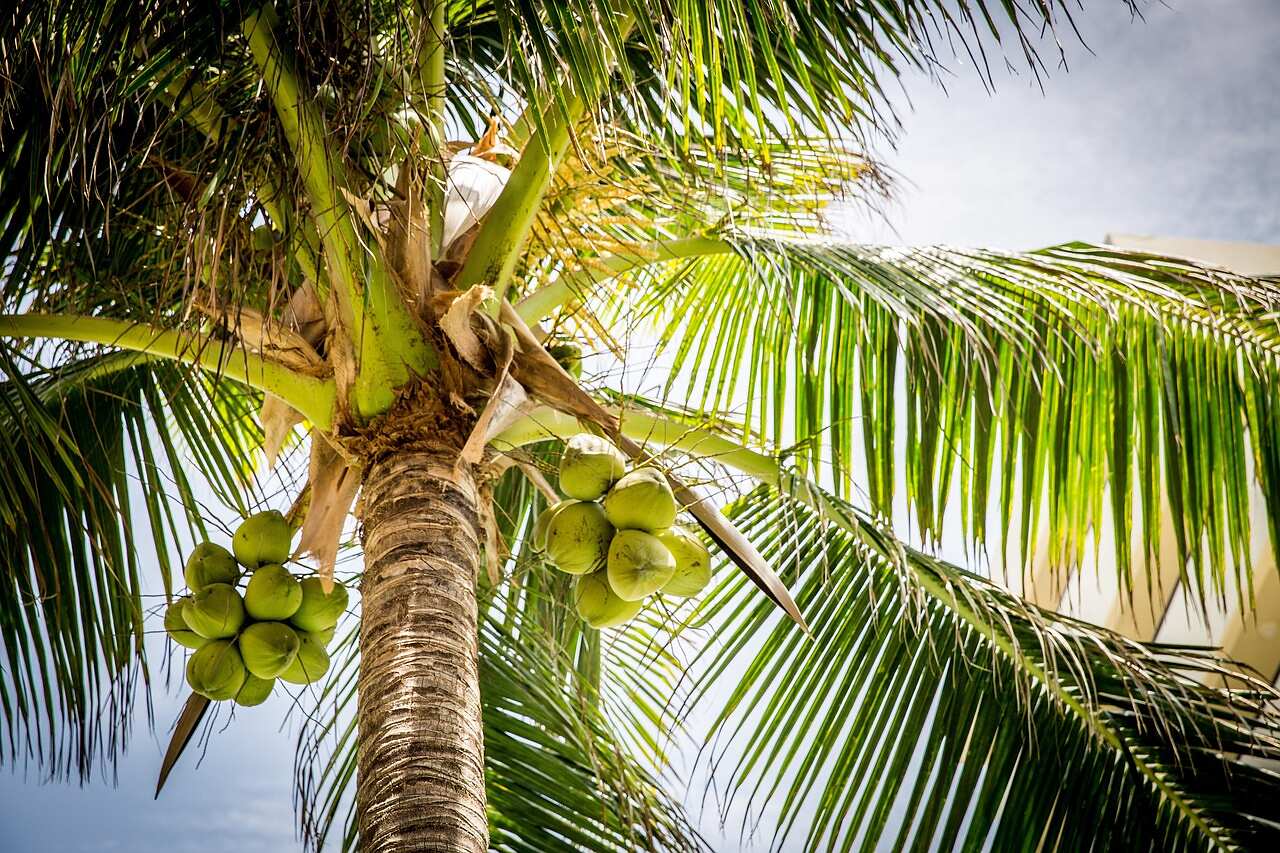
UF/IFAS describes the roof rat as arboreal: it travels along branches, wires and palm trunks and can range about 150 yards from its den. On a slab-on-grade Palm Beach County house that puts the openings at the eave, and the mango or citrus tree next door keeps the pressure on for as long as the eave is open.
Roof rats range about 150 yards from the den, UF/IFAS
Numbers you can read a quote against
The HomeGuide 2026 national bands and the Angi Tampa figures are printed on every service page as typical-job bands, confirmed at the free inspection. A homeowner who knows that a Florida removal visit typically lands between $441 and $1,716 can tell a fair quote from a padded one and ask why a figure sits outside the band.
Typical removal visit $441 to $1,716, Angi Tampa figures
What happens after you call
Five steps, identical on every job, with the sealing in the middle where it belongs.
-
Call and describe it
Where the noise is, what hour, how long it has gone on, what you have found. That narrows the species before anyone drives out.
-
Free inspection
Eave course, vents, attic and yard trees walked and photographed, with every opening recorded and a written quote built from it.
-
Close the quiet openings
Bird stop along the tile eave, steel mesh at vents and returns, sleeves sealed, leaving only the runs in use so nothing is shut inside.
-
Trap the animals inside
Snap traps go on the runs that show traffic and stay down a week or more, since a roof rat treats a new object with suspicion, with checks and resets on a set schedule.
-
Close the last runs, repair the attic
When the traps go quiet the final openings are sealed, and the attic is cleaned or re-insulated where the damage calls for it.
What to expect
The visit follows a fixed order so the sealing is never skipped when the household is frantic.
- A call back from the dispatcher to confirm the address and what you are hearing
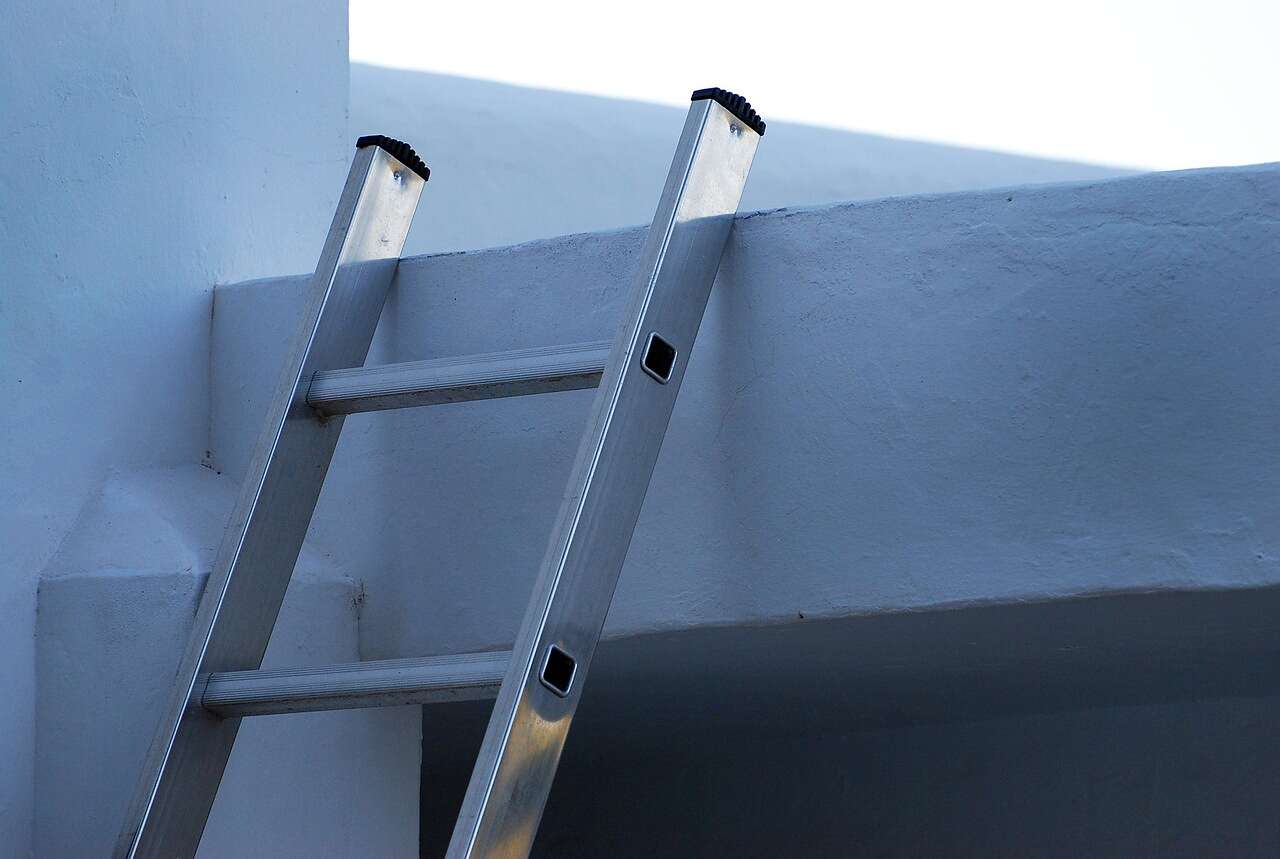
- A contractor at the eave with a ladder before anyone goes into the attic
- A written quote with each line separated, before any work is agreed
- Traps checked on a schedule and openings closed in sequence, with association paperwork where it applies
- A final walk of the roofline with you before the job is called finished
Ready to end the scratching?
Phone whenever suits, or send the form and a dispatcher rings back to set the free inspection.