Attic Cleanup and Decontamination in West Palm Beach, FL
Once the eave is closed and the traps have gone quiet, what the rats left in a hot Palm Beach County attic still has to come out. Contractors remove the droppings, nests and soiled insulation, then sanitize the space.
What attic cleanup in West Palm Beach includes
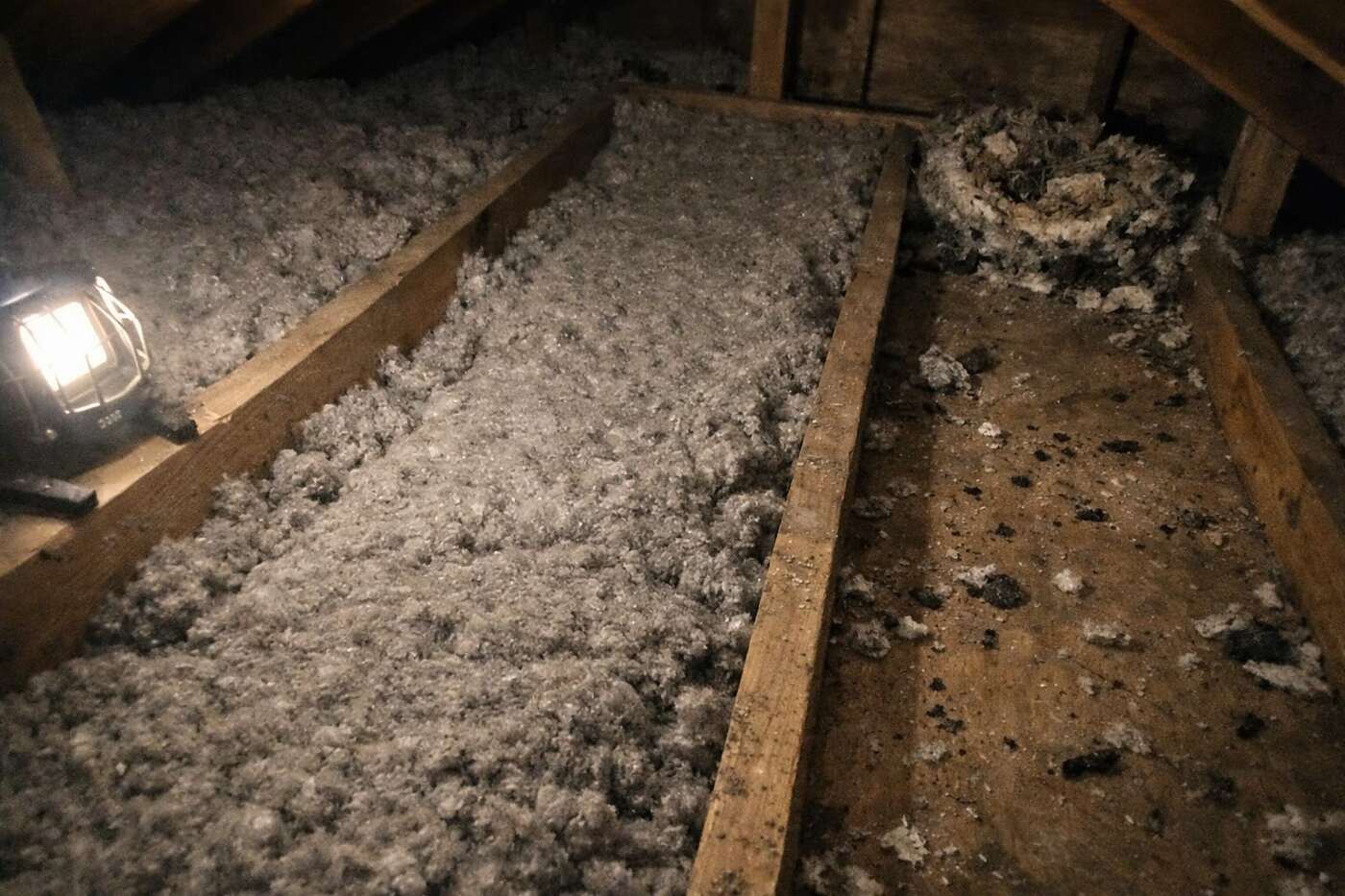
Attic cleanup means removing everything the rodents left behind and treating the surfaces they touched, in a fixed order: droppings and nesting material first, then any insulation that is packed into runs or wet with urine, then a sanitizing treatment of the decking, joists and top plates, and finally a check that the openings found at the inspection are closed.
On a West Palm Beach house the attic is a low, vented space over a slab-built block house, and in summer it runs hot enough that soiled blown-in insulation breaks down fast and the smell reaches the rooms below. The contractor works in a respirator and a disposable suit, bags material inside the attic, and takes it out through the hatch in sealed bags so nothing is tracked through the house. The cleanup is quoted as its own line, separate from the trapping that came before it and from any insulation replacement that follows.
Where only a corner of the attic was used, the cleanup is a corner. Where the animals ran the length of the house along the top plates, it is the whole floor. The free inspection settles which before a price is written.
Signs the attic needs more than trapping
The attic needs cleaning when the smell, the droppings or the insulation say so, and any one of the three is enough. A sour ammonia smell in the hallway on a hot afternoon is urine in the insulation being warmed by the roof deck. Droppings a quarter to half an inch long, banana shaped with pointed ends, are the roof rat signature described by UF/IFAS, and a scatter of them along a joist means a runway, while a heap means a nest or a feeding spot.
- Insulation packed flat into tunnels between the joists, or pushed into mounds where a nest was built.
- Grease marks along the top plates and rafters where fur has rubbed the same route for weeks.
- Chewed mango seeds, citrus rind or avocado pits carried up from the yard and stashed in a corner.
- Gnawed insulation on the AC line set or on wiring; UF/IFAS notes that rats chew through wires and can potentially start fires.
- Flies or beetles at the attic hatch, which point to a carcass and a dead rodent removal before the cleanup starts.
The feeling that the house has been fouled is a real part of this. People describe not wanting to open the hatch and being told by friends they are overreacting. The inspection puts a photograph and a measurement on it, which is usually the first thing that helps.
Why cleanup comes after sealing and trapping
Cleaning an attic that still has an open eave is money spent twice, because the animals return the week after the bags leave. The order the contractors we route follow is: inspection, sealing of the quiet openings with a bird stop and steel mesh, trapping on the active runs, closure of the last runs when the traps go quiet, and only then the cleanup. That order is the professional consensus among people who have been through it, and trapping or cleaning with nothing sealed is the practice they criticize most.
There are two exceptions. A carcass is removed as soon as it is found, whatever stage the job is at. And insulation that is soaked through and smelling into the living space can be bagged during trapping if the household cannot wait, with the fine cleanup and sanitizing left until the runs are closed.
What sanitizing does and does not do
The sanitizing step treats the surfaces that remain: decking, joists, top plates and any ductwork the animals ran across. It knocks down odor and bacteria on those surfaces. It does nothing for insulation that has absorbed urine, which is why that material comes out first; spraying a soaked joist bay and leaving it is the shortcut a cheap quote sometimes hides.
Is rat droppings cleanup dangerous, and do you need a respirator?
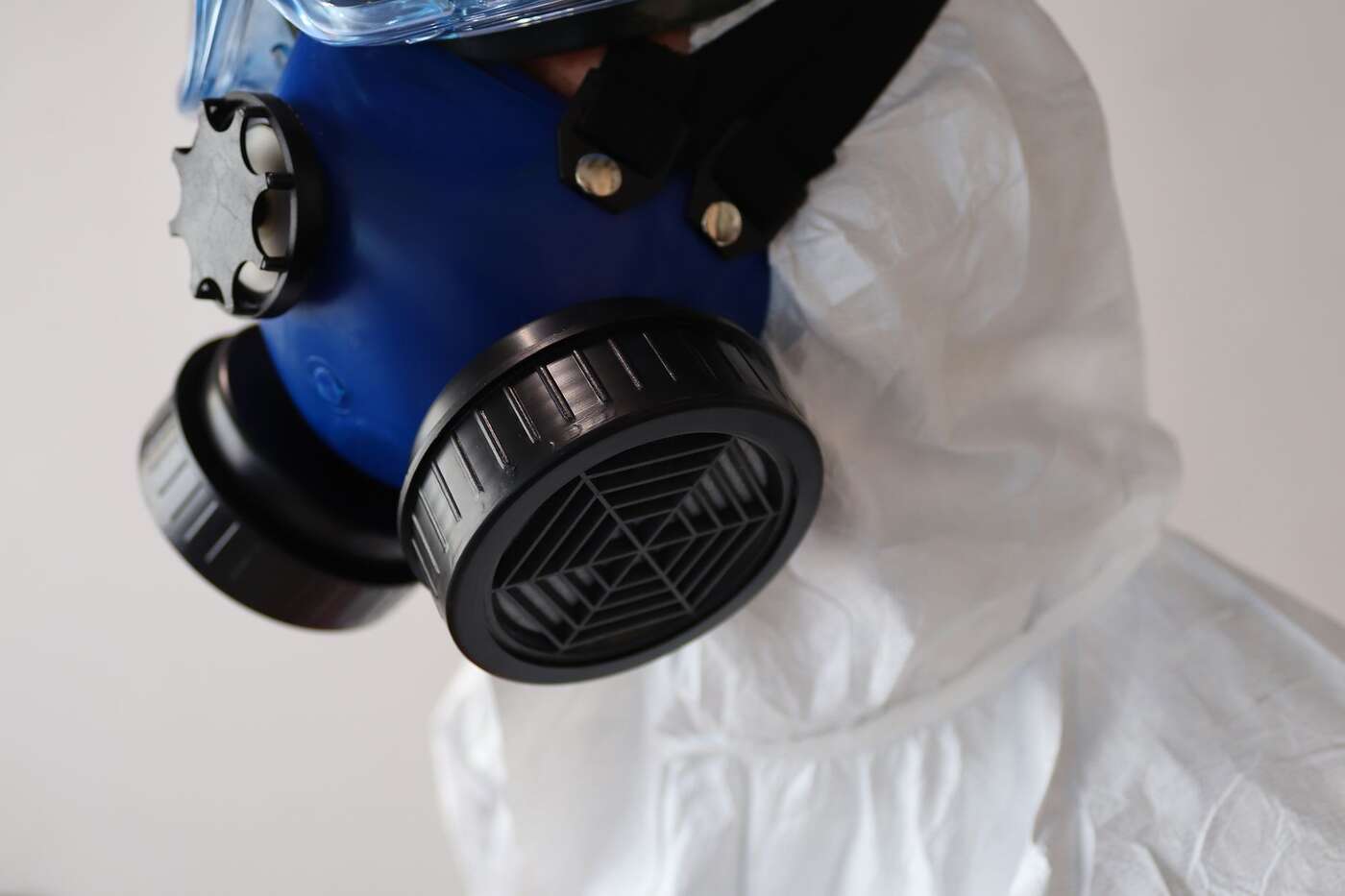
A respirator, gloves and a disposable suit are standard practice for any droppings cleanup, on ordinary contamination grounds. Many diseases are carried by rodents according to the CDC, passed on directly through urine, droppings, saliva or a bite, and passed on indirectly by fleas, ticks and mites that have fed on an infected animal. Dry droppings and insulation dust in a low attic are exactly the material a respirator exists for.
What the respirator is for deserves a plain statement, because the internet oversells it. Hantavirus in Florida has the native cotton rat as its identified reservoir, an outdoor field species, and most US cases are western. The roof rat in a West Palm Beach attic is a different animal. The protection is worn because droppings, urine and dust are a contamination problem, and it is worn on every job regardless.
For a homeowner the practical rule is to leave the hatch shut, keep the AC running so the attic air is under negative pressure relative to the rooms below as little as possible, and let the contractor open it with the right kit on.
How long does attic cleanup take?
A day for most houses, and the trapping before it is what takes the weeks. A corner cleanup on a single-story ranch is a morning. A full floor on a two-story house with blown-in insulation across the whole attic is a full day, sometimes two when the insulation is coming out as well. The timeline for the animals themselves is the longer piece: HomeGuide gives two to three days for trapping a few rodents and one to two months for a severe infestation, and the cleanup is booked once the traps have been quiet for a week.
Heat sets the working hours in summer. A Palm Beach County attic in July is far too hot to work through the afternoon, so the contractor starts early and stops early, and a big job is split across two mornings rather than pushed through one day.
What attic cleanup costs in West Palm Beach
HomeGuide 2026 puts attic cleanup and decontamination at $600 to $2,500 nationally, and the free inspection places a specific attic inside that band before any work is agreed.
| Line | Typical band | Source |
|---|---|---|
| Cleanup and decontamination | $600 to $2,500 | HomeGuide 2026, national |
| Insulation removal, if needed | $600 to $1,200 | Angi, Tampa figures |
| Insulation replacement, if needed | adds $1,000 to $3,000 | Angi, Tampa figures |
| Dead rodent removal, if a carcass is found | $150 to $500 | HomeGuide 2026, national |
Three things move a job within the band: the area contaminated, whether insulation comes out, and access. A hatch in a closet ceiling with a low pitch above it is slower than a pull-down stair. The national guides also price crawl spaces and basements that a slab-built South Florida house does not have, so the Palm Beach County version of this job is usually simpler than the guide describes.
Ask for the cleanup as a separate line from the trapping and from any insulation, and ask what is included in the sanitizing step. A single bundled figure is the thing homeowners comparing notes online say they could never judge.
Cleaning a West Palm Beach attic: heat, tile and who owns the ceiling
Three local facts shape the job. The first is heat: the attic under a barrel tile or shingle roof here runs very hot through the summer, so soiled blown-in insulation degrades quickly and the smell reaches the rooms below sooner than it would in a cooler climate. The second is the roof: on the 1980s to 2000s tile stock the animals came in at the eave course, and the cleanup follows the runs from the eave line inward along the top plates. The third is ownership. In the downtown towers and the condo buildings along Flagler Drive there is often no attic at all, only a ceiling void or a chase, and the cleanup of a shared void is an association matter handled under condo and HOA rodent control.
In the pre-1940 houses of El Cid, Flamingo Park and Old Northwood the attic is often a tight space under a wood-framed hip roof with old batt or no insulation at all, so the cleanup is mostly droppings and nests on bare decking, quicker to do and easier to verify.
What to check on the cleanup contractor
Check the license, the sequence and the paperwork. Attic cleanup on its own is not the regulated part of the job, but the trapping that precedes it is: trapping rats or mice in, on or under a structure for hire in Florida requires at minimum an FDACS Limited Wildlife Management Certificate, and every contractor we route holds the credential the job calls for. Ask for the number and confirm it on the FDACS lookup.
- Ask whether the openings are closed before the cleanup is booked, and ask to see the photographs.
- Ask for the cleanup, the insulation removal and any replacement as three separate lines.
- Ask what product is used for sanitizing and whether the decking and top plates are included, or only the floor.
- Ask how the material leaves the house: sealed bags through the hatch, or a vacuum hose run out through a window.
- Ask for a written summary afterwards; it is the document an insurance file or a clearance letter is built on.
The about page explains how the line works, and the contact page has the hours.
Services that run alongside this one
A West Palm Beach rodent job is rarely one service on its own; these are the steps that usually sit before or after this one.
- Attic Insulation Replacement: Compressed and soiled blown-in insulation vacuumed out and replaced at the right depth.
- Dead Rodent Removal: Locating the carcass behind the smell in a wall or ceiling, removing it, and closing the route it used.
- Rodent Exclusion: Closing the tile eave with a metal bird stop, then every vent, soffit return and line-set sleeve, to the quarter-inch standard.
The about page explains how the line works and which credential to check, and the phone is answered at any hour.
The right way to clean up droppings
Guidance from a national pest control brand.
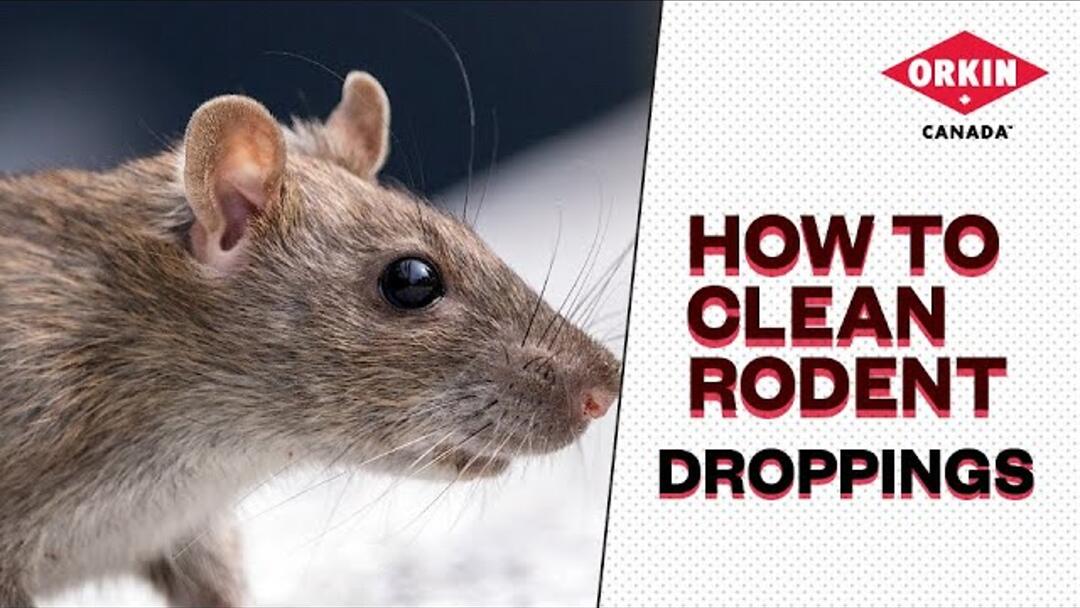
Video: How To Properly Clean Rat and Other Rodent Droppings, from Orkin Canada.
How an attic cleanup runs
Five steps, with the cleanup deliberately last, because the eave has to be closed before the bags come out.
-
Inspection and photographs
The extent of the contamination is mapped and photographed at the free inspection, alongside the openings that let the animals in.
-
Sealing and trapping first
Bird stop, mesh and traps run their course; the cleanup is booked once the traps have been quiet for about a week.
-
Removal in a suit and respirator
Droppings, nests and soiled insulation are bagged in the attic and carried out sealed, or vacuumed out through a hose.
-
Sanitizing the structure
Decking, joists, top plates and any ductwork the animals crossed are treated to knock down odor and bacteria.
-
Walk-through and summary
You see the attic before the hatch is closed, and a short written summary records what was removed and what was treated.
What to expect
The visit runs to a fixed order so the sealing is never skipped when the household wants the smell gone today.
- A check that the openings from the inspection are closed before any bag is opened
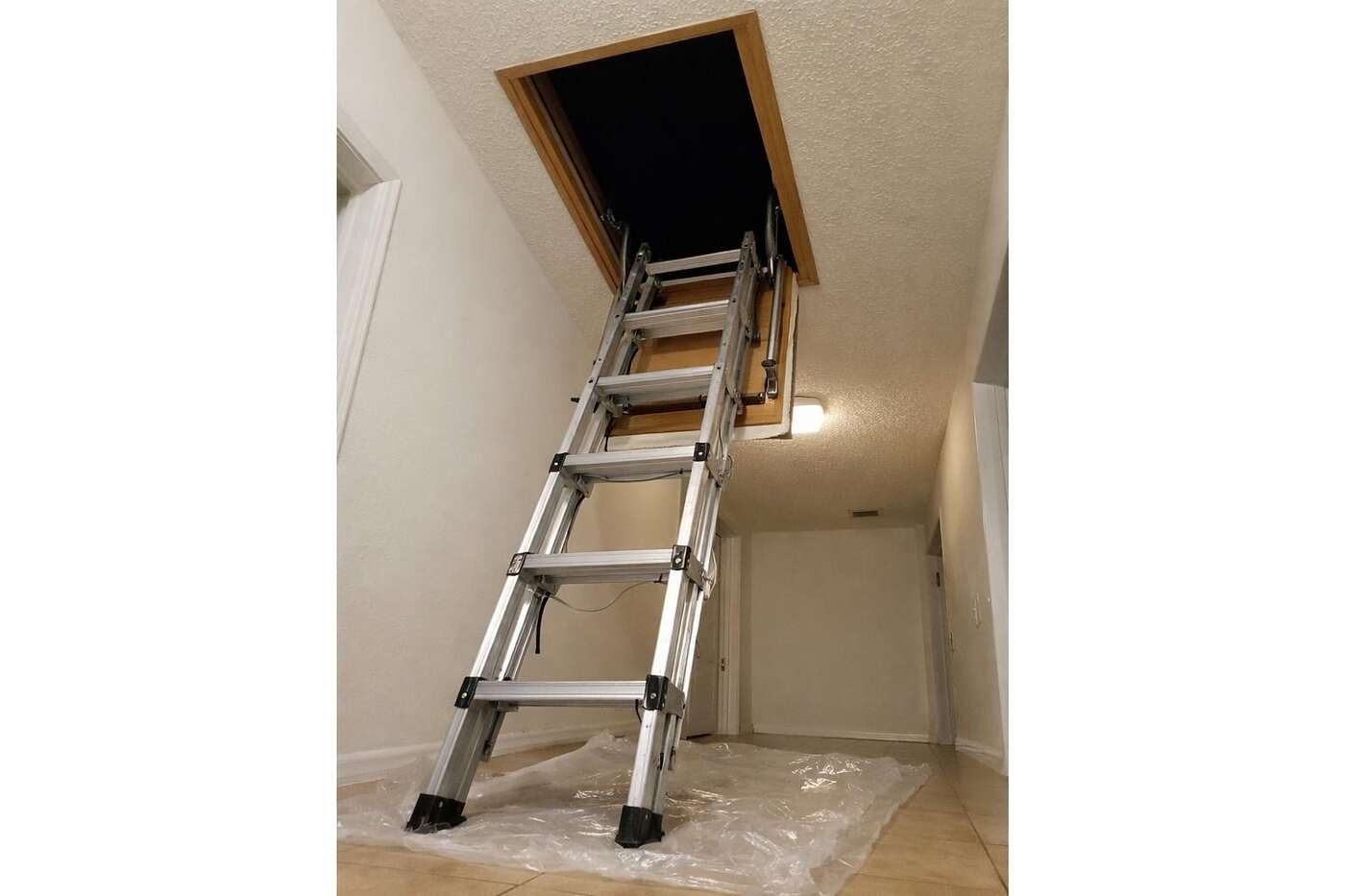
- Plastic down from the hatch to the door, and the AC vents near the hatch covered
- The contractor in a respirator, gloves and a disposable suit for the whole time in the attic
- Sealed bags out through the hatch or a hose out through a window, nothing loose through the house
- A written summary of what was removed and which surfaces were treated
Why the cleanup is booked through this line
The sequence protects the money
The cleanup is booked only once the eave course carries a bird stop, the vents carry steel mesh and the traps have gone quiet. Sealing a house that still has rats inside and cleaning a house with an open eave both fail, and the second one fails expensively. The contractors we route hold the order on every job, so the bags come out once.
HomeGuide: trapping a few animals takes two to three days, a severe infestation one to two months, and the cleanup follows
The respirator is explained, and so is what it is for
Protective kit is worn on every cleanup on ordinary contamination grounds, and the reason is stated plainly rather than sold as fear. The CDC lists direct contact with urine and droppings and indirect spread through fleas, ticks and mites; Florida's identified hantavirus reservoir is the cotton rat, an outdoor field species, and most US cases are western.
CDC: rodents carry many diseases spread directly and indirectly; no figure is published
Three lines, three prices
Cleanup, insulation removal and insulation replacement appear as separate lines on the quote, each read against a published band. A homeowner who knows that national cleanup and decontamination runs $600 to $2,500 can see at once whether a figure is padded, and can decline the insulation line if the inspection found the material dry.
Attic cleanup and decontamination $600 to $2,500 nationally, HomeGuide 2026
What Reddit Says About Attic Cleanup in West Palm Beach
The threads on attic cleanup are mostly people asking whether it is needed at all, and the answer they give each other is to separate the cleanup from the trapping and ask for a price on each. A bundled number that folds removal, sealing and cleanup into one figure is the thing nobody could judge, and the recurring question under those posts is whether they are being taken advantage of.
The red flags they name: a company that quotes a full attic restoration before the animals are gone; a cleanup that consists of spraying a deodorizer over soaked insulation and leaving it; and a plan that skips the sealing so the same company can come back to clean again next year. A quote that arrives with a long monitoring contract attached is treated with suspicion.
The questions they tell each other to ask are practical. Will you clean up and decontaminate, or only trap? Is the insulation coming out, and is that a separate line? How is the material leaving the house? What is in the sanitizing step? And what is the written record afterwards, for insurance or a sale?
Two aftermath themes come up that nobody markets to. One is the smell of a carcass in a wall after a poison-only plan, which drives its own searches. The other is rodent mites after the animals are gone, which a proper cleanup of the nests addresses and a spray-and-leave does not.
The free inspection here produces the photographs and the separate lines those threads say to insist on.
A typical attic cleanup on a Palm Beach Lakes ranch
The situation: A single-story 1970s block ranch near Palm Beach Lakes Boulevard with a replaced shingle roof, blown-in insulation across the attic, and a sour smell in the hallway every afternoon since the heat set in. The trapping finished three weeks earlier through this line; four roof rats came out of the attic over two weeks and the soffit returns were closed with steel mesh once the traps went quiet.
What gets done: The contractor confirms the mesh is undisturbed, lays plastic from the hatch to the front door and covers the two nearest AC returns. Two joist bays along the rear top plate are packed flat into a runway and wet through; that insulation is bagged in the attic along with a nest of shredded batt and mango seeds in the corner nearest the tree. The decking, top plates and the flexible duct runs are treated, and the rest of the insulation, which is dry and lofted, stays.
How it turns out: One early morning, a quote with the cleanup as one line and a short insulation top-up for the two bays as another, and a written summary with before-and-after photographs. The smell is gone by the next hot afternoon.
Book the free inspection for this service
Describe what you hear and where, and a dispatcher lines up the nearest FDACS-licensed contractor. The phone is answered at every hour and the inspection carries no charge.
Attic cleanup questions from West Palm Beach
The questions that come up once the trapping is done and the hatch is still shut.
Whether and when
Do I need the attic cleaned, or can I leave it once the rats are gone?
Leave it if the inspection found droppings on bare decking and dry insulation; a sanitizing pass and a sweep is enough. Clean it if the insulation is packed into runs or wet, if there is a smell in the rooms below, or if there was a nest. Urine-soaked blown-in insulation in a hot Palm Beach County attic keeps smelling and keeps breaking down, and the Department of Energy notes that wet insulation performs poorly.
Can the cleanup happen on the same visit as the trapping?
The gross removal can, when a household cannot live with the smell: soaked material is bagged while the traps are still working. The fine cleanup and the sanitizing wait until the last openings are closed, because the animals still inside will foul a clean attic within days. Most jobs book the cleanup a week after the traps go quiet.
Will the smell go away on its own?
Urine smell in insulation fades very slowly and comes back every hot afternoon, because the roof deck warms the material. Removing the soaked bays and treating the surfaces ends it. A carcass smell peaks over a week or two and then fades, and is a separate job: the EPA puts death on anticoagulant bait at four days to two weeks after feeding begins, which is why a poison-only plan so often ends with a carcass in a wall.
Cost and paperwork
Is attic cleanup covered by homeowners insurance?
Usually the policy language excludes damage from rodents, and the honest answer is to read the policy or ask the agent. What the contractor can do is produce the written summary and photographs that an adjuster asks for, so the question can at least be put properly. The summary is the same document a clearance letter is built on.
What should the cleanup quote list?
Three lines at most: cleanup and decontamination, insulation removal if any is coming out, and insulation replacement if any is going back in. Each should be readable against a published band; HomeGuide 2026 puts the cleanup line at $600 to $2,500 nationally, and Angi's Tampa figures put insulation removal at $600 to $1,200. A quote that bundles the three, or that adds a monitoring plan, is one to question.
Still have a question? Call (561) 589-3578 and ask.

Book the free inspection before the attic is cleaned
The inspection maps the contamination and confirms the eave is closed, so the cleanup is done once. Call at any hour or send the form.