
Rodent Removal in Delray Beach, FL
Delray Beach pairs historic bungalow districts and a dense restaurant downtown with gated communities out west. Three very different buildings, three different ways rodents get in.
Free Inspection in Delray Beach
The free inspection covers the roofline and eave detail, the attic or ceiling void, the vents and penetrations, and the canopy and planting that reach the building, with each opening photographed and located before any price is discussed.
Delray Beach is roughly nineteen miles south of the Clematis Street office, straight down the coast within Palm Beach County. The phone is answered at any hour, and commercial visits can be set outside trading hours. Arrange it through the contact page or by calling.
The historic districts and their bungalow stock
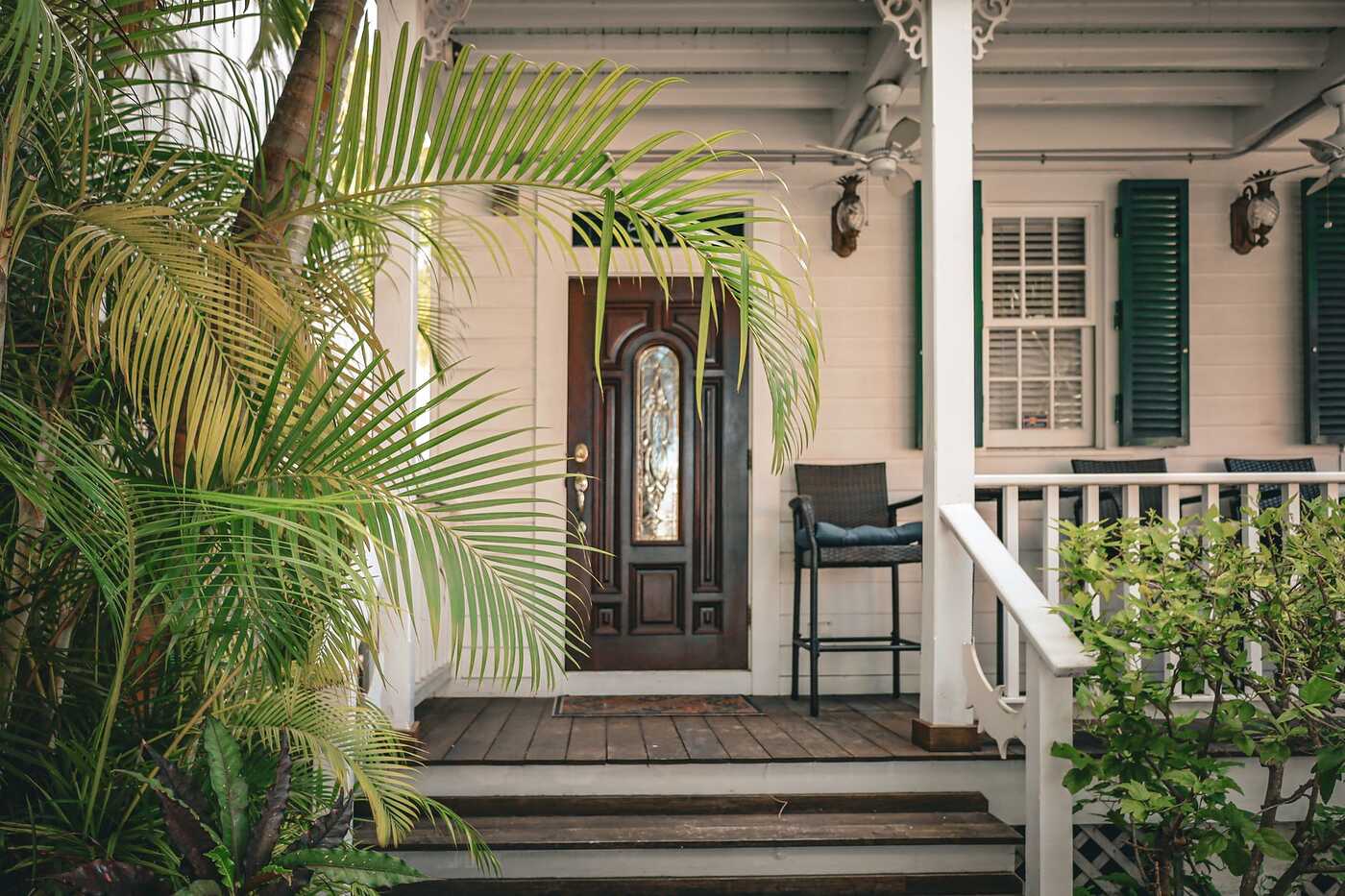
Delray Beach has several historic districts of early twentieth century houses, mostly frame and masonry bungalows and cottages on small lots under heavy canopy.
On that stock the openings are small and numerous: wood soffit and fascia joints that have opened, blocking missing between exposed rafter tails, original gable and dormer vents with failed screening, porch roofs and additions meeting the original structure untidily, and reroof junctions where a new covering stops short of the old fascia. Each of those exceeds the quarter inch UF/IFAS gives as the rodent-proofing standard, and a house can have seven or eight of them.
The canopy is the other half. Banyans, live oaks, mature ficus hedging and palms run over these streets and connect rooflines that look separate from the sidewalk, and a roof rat traveling along branches, wires and palm trunks works about 150 yards from its den. Closures here are specified to stay invisible: mesh behind a vent louver rather than across it, let-in metal at a fascia joint, blocking fitted between rafter tails and painted to match. Foam along a historic eave is visible, chewable and regretted.
Downtown restaurants, bars and the Atlantic Avenue corridor
The downtown restaurant and retail density along Atlantic Avenue and its side streets creates commercial rodent pressure that spills into the surrounding residential blocks.
In older downtown buildings the findings repeat: a rear door sweep worn at one corner, a disused conduit sleeve above a dish area, a grease interceptor lid that no longer seats, shelving stood flush against a wall so droppings go unseen, a false ceiling that runs through into the neighboring tenancy, and vegetation grown onto a parapet. Norway rats work the dock and drain line at ground level while roof rats come in over the parapet and through the canopy.
Commercial work carries documentation that a house does not, because a health inspection asks what is being done as well as what is present. The deliverable is a device map, a dated visit log, photographs of every closure, and a list of the items that belong to the landlord rather than the tenant. Visits are scheduled before opening or after close so nothing is in a guest's sightline. That service is set out under commercial rodent control.
The gated communities west of the interstate
West of I-95 the city follows the county pattern: gated golf and country club neighborhoods and villa blocks built from the 1980s onward, block and stucco under barrel or flat concrete tile.
On those houses the eave course under the first row of tile is the main opening, and on a great many of them no bird stop or mortar closure was ever fitted, which leaves a gap along the whole edge of the roof. Closing it is the highest-value item on most quotes out there, and bird stopping is in the Department of Energy guidance as a measure to fit on a tile roof. The supporting closures are soffit returns, vent screening, a loose ridge vent and the air conditioning line set penetration.
Because it is exterior work, the closure usually needs architectural review approval, and a well-specified application, naming the part, gauge, finish and elevations, keeps that to weeks. Where the roof runs across attached units, the building line is the effective scope and the association decides, so the findings come back as two written lists and the unit-side work starts immediately.
What We Handle in Delray Beach
Three building types here, with the same sequence applied differently to each.
- Rodent inspection: the eave line, rafter tails or tile course, vents, attic or void, and the canopy reaching the roof.
- Roof rat removal: trapping on the live runs, left in place long enough that wary animals use the traps.
- Rodent exclusion: bird stop on tile, blocking and mesh on historic eaves, door sweeps and sleeves on commercial shells.
- Commercial rodent control: documented visits, a device map and a landlord list for a restaurant or retail tenant.
- Condo and HOA rodent control: building-line scope and review paperwork in the western communities.
- Attic cleanup: nests, droppings and soaked material removed once the openings are closed.
A Typical Delray Beach Job
The situation: A 1920s frame bungalow two streets off Atlantic Avenue, restored about a decade ago, wood soffits, exposed rafter tails, a banyan on the swale whose limbs reach the front roof, and a restaurant service alley a block away. The owner hears activity in the ceiling after dark and has found droppings behind a kitchen toe kick.
What gets done: The inspection finds blocking missing between three rafter tails on the shaded side, a dormer vent with screening gone at its lower edge, and a kitchen plumbing chase open from the cabinet run into the attic, which is how the animal reached the toe kick. Outside, the banyan limbs lie on the front roof and a ficus hedge touches the side wall. The vent and the chase are closed on the first visit, traps go along the attic top plate above the kitchen, and the rafter tail blocking is fitted and painted once the catch stops. The owner's landscaper lifts the banyan limbs and trims the hedge back from the wall.
How it turns out: Three animals across ten days. The attic decking is bare, so a sweep and a treatment handle the cleanup. Nothing about the closures is visible from the street, which mattered to the owner as much as the result.
What This Costs in Delray Beach
Three building types mean three shapes of quote, all read against the same published bands and all confirmed at the free inspection.
| Type of work | Band | Published by |
|---|---|---|
| Standalone inspection | Free here; $0 to $175 nationally | HomeGuide 2026 |
| Trapping and removal | $250 to $1,200 | HomeGuide 2026, national |
| Exclusion of a house or a shell | $500 to $2,500 | HomeGuide 2026, national |
| Exclusion, Florida reference | $550 to $1,642 | Angi, Tampa figures |
| Attic cleanup and decontamination | $600 to $2,500 | HomeGuide 2026, national |
A small historic bungalow with seven modest closures sits in the lower half of the exclusion band and should show its closure count. A western tile house sits in the upper half because the eave is closed along its full length. A restaurant is quoted per property, with sealing and monitoring as separate lines and a clear answer on what the monitoring costs in month four. Carpentry on soft fascia or rotten rafter ends is a separate trade and should be named rather than sealed over.
Book a free inspection in your town
Palm Beach County is covered end to end. Leave a name and number, or call, and the dispatcher books the nearest licensed contractor for a free roofline and attic walk.
The order an attic job runs in
Five stages, from inspection through to cleanup.
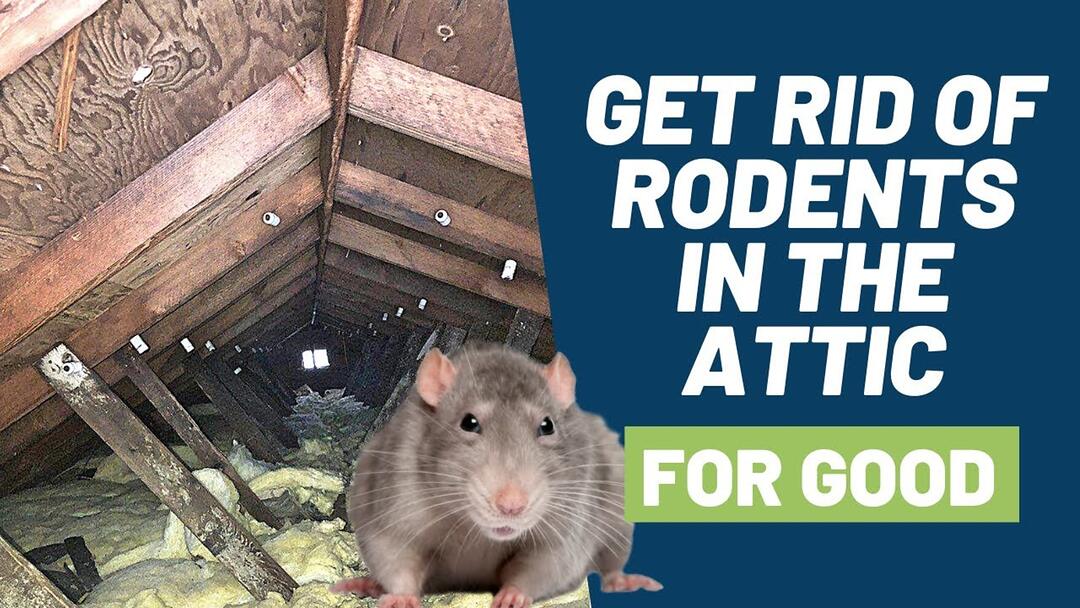
Video: 5 Step Solution to Get Rid of Rodents in Your Attic, from Atticare Construction.
Common Questions in Delray Beach
What callers from the historic streets, the avenue and the western communities ask.
Historic houses
Will sealing spoil the look of my bungalow?
It should be invisible. Screening goes behind an original vent louver rather than across its face, blocking between rafter tails is let in and painted to match the eave, and fascia joints are closed with metal let in behind the board. Nothing changes a profile. The material that does show, and that owners in historic districts regret, is expanding foam, which is also the one rodents chew straight through, so it fails on both counts.
Is it the restaurants downtown causing this?
Commercial waste handling nearby raises the background pressure, and your own building decides whether that pressure becomes an infestation. A roof rat ranging about 150 yards from its den crosses from a service alley to a residential block easily, and Norway rats work drains and dumpster surrounds at ground level. What changes the outcome on your property is closing the openings to the quarter-inch standard, keeping the canopy off the roof and managing fruit and feed.
Businesses and western homes
We run a restaurant on the avenue. Will this show up in an inspection?
What shows up is what you can document. The deliverable on a commercial job is a device map, a dated log of every visit and finding, photographs of each closure and a separate list of the items that belong to the landlord. Devices are placed out of guest sightlines and away from food-contact surfaces, and visits are scheduled before opening or after close. An inspector reading a dated file with photographs of sealed penetrations has a very different conversation with you.
My house out west has a tile roof. What is the main job?
Almost always closing the eave course under the first row of tile, which on houses built from the 1980s to the 2000s is frequently open along every elevation and has been since construction. The part is a galvanized or aluminum bird stop, sometimes ventilated, in a finish that can match the fascia, and Department of Energy guidance names bird stopping as a step worth taking on a tile roof. Expect architectural review approval to be needed, and expect the trapping to start before it arrives.
Still have a question? Call (561) 589-3578 and ask.
Nearby Areas We Serve
The contractors dispatched to Delray Beach cover the neighboring towns as well, and the service area runs across the whole of Palm Beach County.

Book a Free Inspection in Delray Beach
The inspection is free whether the building is a bungalow, a restaurant or a tile-roofed house out west, and the quote comes back itemized.