Rodent Removal in Jupiter, FL
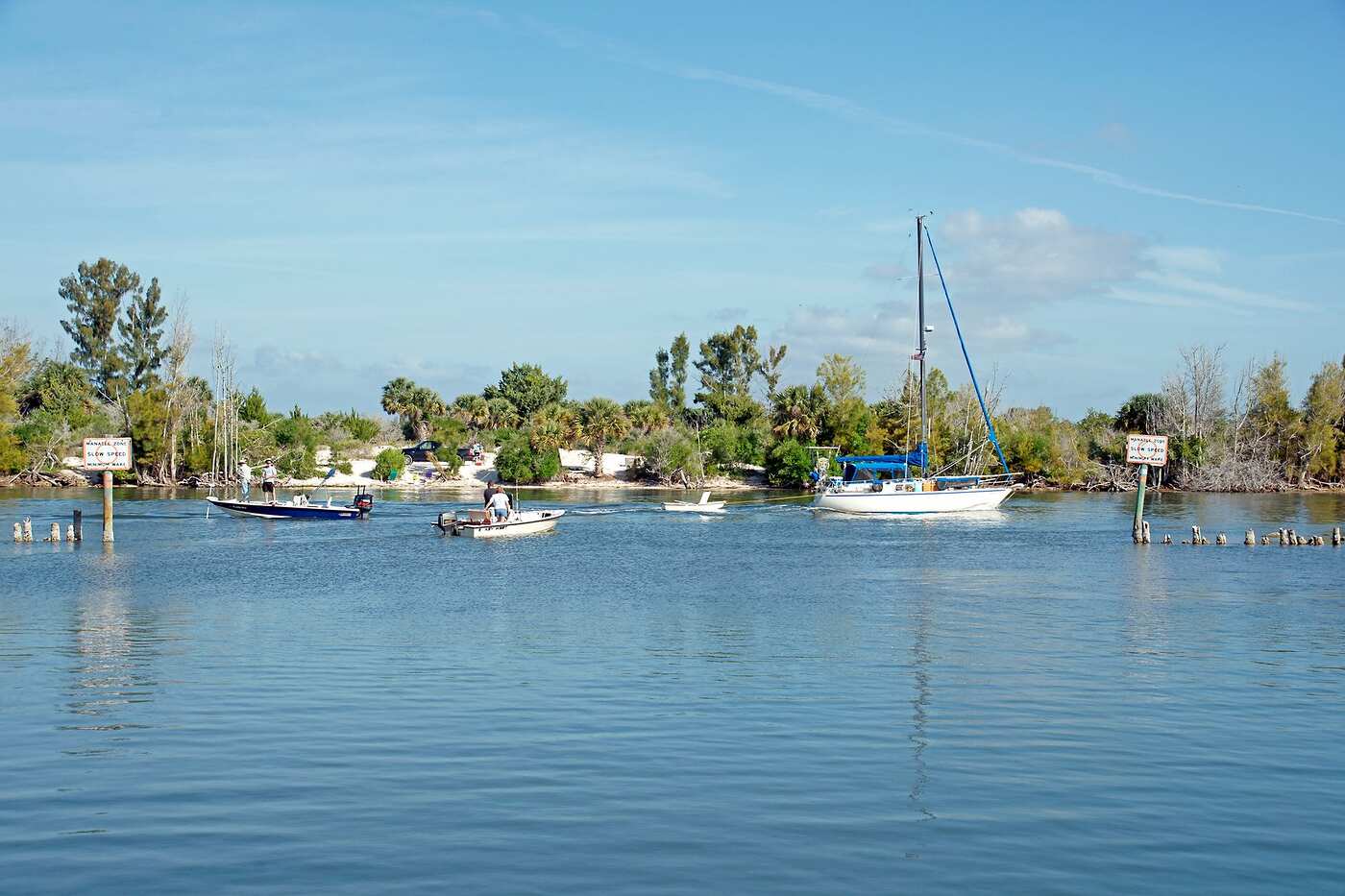
Jupiter runs from the inlet and the Loxahatchee River through canal neighborhoods to newer planned districts inland. Water on three sides of a house changes where the rodents come from.
Free Inspection in Jupiter
The free inspection in Jupiter covers the roofline and its eave detail, the attic, the seawall or dock edge where there is one, and the planting and canopy around the house, with every opening photographed and located.
Jupiter is at the northern end of Palm Beach County, roughly eighteen miles up the coast from the downtown West Palm Beach office, and it sits comfortably inside the service area. Calls are taken whatever the hour, and a visit is scheduled for a time that suits the household. Use the contact page or call.
The river, the inlet and the canal neighborhoods
Jupiter is organized around water: the Loxahatchee River, the inlet beside the lighthouse, and neighborhoods of canal-front homes with seawalls and docks.
That geography adds the ground-dwelling species to the picture. Norway rats burrow and work at ground level, and seawall voids, dock structures, riprap, drainage outfalls and dense waterside planting are the habitat they favor, which is why a canal-front street can have activity that has nothing to do with an attic. Roof rats remain the dominant species overall in this county and arrive from the canopy, so a waterfront house can have both, with entry points at opposite ends of the building.
Which one you have is settled before anything is quoted. Roof rat droppings are a quarter to half an inch long and banana shaped with pointed ends, as UF/IFAS describes them, and activity shows along top plates and at the eave. Burrow entrances at a seawall, a dock post or a hedge base, with runs worn into the grass, say the opposite. Sealing an eave on a seawall problem is a common and expensive mistake.
Older waterfront stock and the newer planned districts
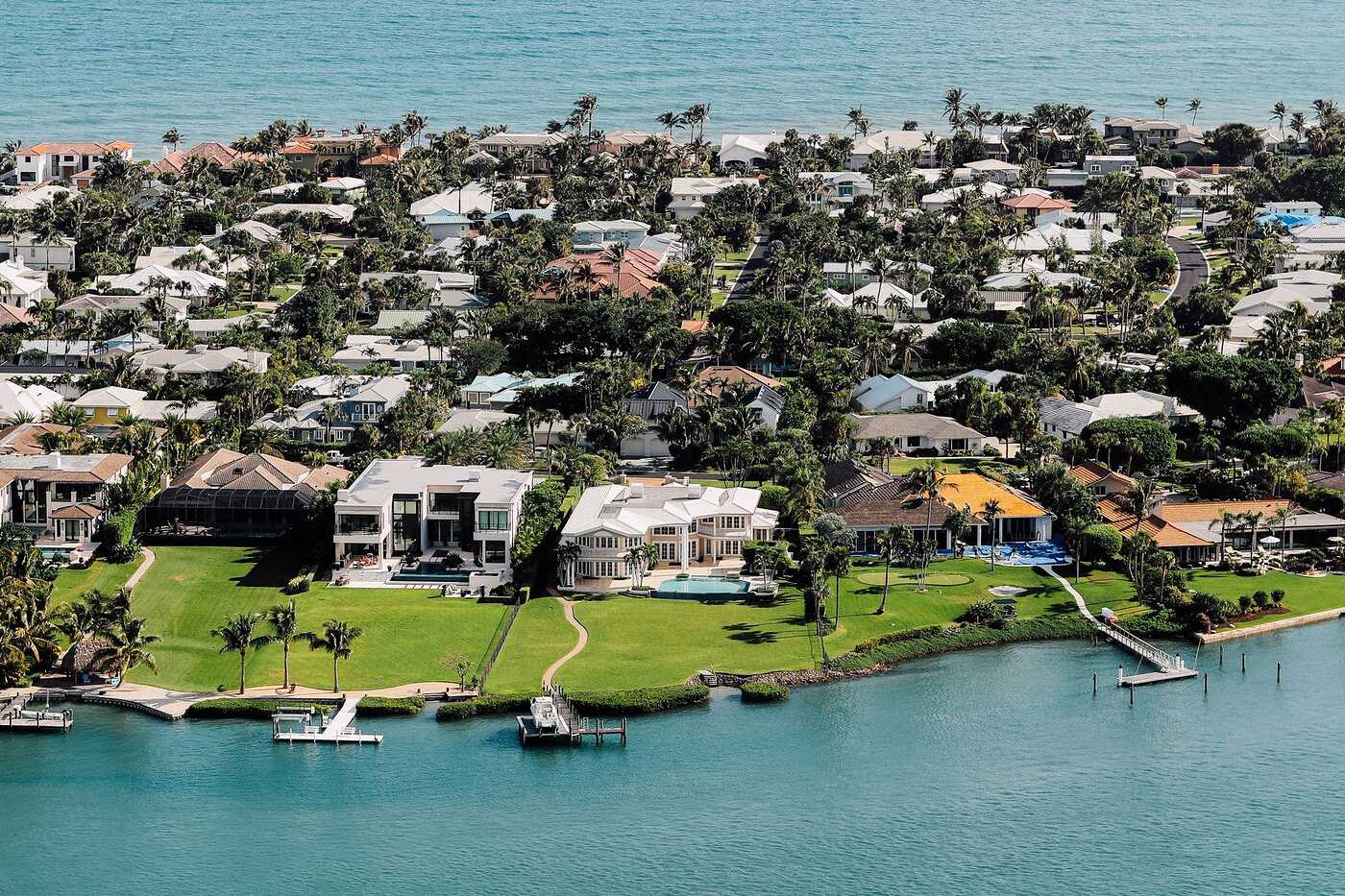
The housing splits into two groups that need different work, and both are inside the town limits.
The older stock near the river and the inlet includes mid-century single-story homes, canal houses that have been renovated repeatedly, and cottages with metal or shingle roofs. The findings there are soffit returns lifted from their channels, fascia pulled at a corner, penetrations left oversized by a renovation, and garage and carport junctions. Salt air adds corrosion: vent screening near the water degrades faster than it does inland, and a screen that has rusted through at its lower edge is a standing invitation.
Inland, newer planned neighborhoods including Abacoa are block and stucco with barrel or flat concrete tile, built from the late 1990s onward, often with an HOA that approves exterior changes. On those houses the eave course under the first row of tile is the main opening, and closing it with a metal bird stop is the job. Bird stopping is named by the Department of Energy as a recommended step on a tile roof.
Preserve land, river canopy and storm exposure
Jupiter keeps a great deal of natural land along the river and in its parks and preserves, and houses back onto it in many neighborhoods.
Mature canopy, cabbage palms, sea grape and dense understory run right up to properties in those areas, and an arboreal rodent that ranges about 150 yards from its den treats a preserve edge as a permanent reservoir. Fruit trees in the yards do the rest, with mango through the summer and citrus through the cooler months. Nothing about this is fixable by treatment; what it means is that the building has to be sound, because the pressure is never going to fall.
Storm exposure is the other local factor. Hurricane season runs June through November, and a coastal town with an inlet takes wind and surge directly. The Department of Energy documents that storms break and displace roof tiles and that one broken tile can cascade into others, which opens a tile field into the eave void. Flooding also drives ground rodents out of burrows and drains; the CDC ties increases in leptospirosis to hurricanes and floods, names rodents among the reservoirs, and recommends rodent control as part of post-flood prevention.
What We Handle in Jupiter
A Jupiter job usually starts by deciding which species is present, then follows the standard sequence.
- Rodent inspection: roofline, attic, seawall and dock edge, planting and preserve boundary, all photographed.
- Roof rat removal: trapping on the attic runs, with the traps left long enough that wary animals use them.
- Rodent exclusion: bird stop on tile, soffit panels reseated on older stock, corroded vent screening replaced in stainless or galvanized mesh.
- Post-storm rodent inspection: tile, fascia and soffit checked after a coastal storm, with temporary closures fitted before the roofer arrives.
- Attic cleanup: nests and soiled insulation out once the roofline is closed.
- Commercial rodent control: for the town's restaurants, marinas and retail, with the documentation an inspection asks for.
A Typical Jupiter Job
The situation: A single-story 1970s house on a canal off the Loxahatchee, shingle roof replaced about eight years ago, aluminum soffits, a seawall with a dock, and sea grape and cabbage palm along the rear boundary. The owner has seen a large rodent on the seawall at dusk twice and separately hears something overhead in the back bedroom at night, and assumes they are the same animal.
What gets done: The inspection finds two soffit panels out of their channels where the new roof was fitted, a gable vent screen corroded through at the bottom edge, and a run along the rear attic top plate with roof rat droppings. At the water, a burrow entrance sits behind the seawall cap with a worn run to a hose bib penetration at the slab. That is two species and two plans. The soffit panels are reseated with mesh behind the returns, the vent is rescreened in stainless, traps go on the attic run and in protected positions at the seawall, and the slab penetration is closed with mortar and metal.
How it turns out: Three roof rats out of the attic over nine days and one Norway rat at ground level. The attic needs a sweep rather than a cleanup. The owner gets separate lines for the roofline closures, the ground-level work and the seawall follow-up, and learns that the animal on the seawall was never the one in the ceiling.
What This Costs in Jupiter
Published bands are the reference and the free inspection sets the figure, and in Jupiter the spread is wide because the housing types are so different.
| Line | Band |
|---|---|
| Inspection, free here (national guides: $0 to $175) | No charge |
| Trapping and removal, HomeGuide 2026 national | $250 to $1,200 |
| Removal visit, Angi Tampa figures as a Florida reference | average $1,078, typical $441 to $1,716 |
| Full-home exclusion, HomeGuide 2026 national | $500 to $2,500 |
| Exclusion, Angi Tampa figures | $550 to $1,642 |
| Attic cleanup, HomeGuide 2026 national | $600 to $2,500 |
An inland tile-roof house in a newer neighborhood is priced on the length of eave to be closed. An older waterfront house is priced on a list of small closures plus, where there is a ground-level problem, separate work at the slab line and the seawall. Coastal corrosion adds vent and screen replacement that an inland house does not need. Ask for the two halves separately if both species are present, and confirm every band at the inspection.
Book a free inspection in your town
Palm Beach County is covered end to end. Leave a name and number, or call, and the dispatcher books the nearest licensed contractor for a free roofline and attic walk.
Mice, squirrels, or something else
How the signs differ between the two.
Video: Signs of Mice vs. Squirrels In Your Attic, from Skedaddle Humane Wildlife Control.
Common Questions in Jupiter
What Jupiter callers ask on the first conversation.
Water and species
Is the rat on my seawall the same one in my attic?
Almost certainly not. Seawalls, dock structures, riprap and drainage outfalls are Norway rat habitat, a ground-dwelling burrowing species, while the animals in an attic here are roof rats that arrive through the canopy and along wires and fences. They can both be on one property with separate entry points, and the work for each is different: slab line, garage and grade penetrations for one, eave and vents for the other. The droppings and the burrow evidence settle it before anything is quoted.
We back onto preserve land. Is this going to keep happening?
The pressure will keep coming and the house does not have to keep letting it in. A roof rat ranging about 150 yards from its den treats a preserve edge as a permanent reservoir, and there is no winter die-off in this climate, so nothing thins the population seasonally. What changes is whether your building has an opening. Sealing to the quarter-inch standard, keeping branches and sea grape off the roofline, and picking up fallen fruit is the durable combination.
Roofs and storms
My vent screens have rusted out. Is that really how they got in?
Frequently, yes, and near the water it happens faster. Salt air corrodes screening from the lower edge, which leaves an opening at exactly the point an animal reaches from a soffit or a branch. The repair is stainless or heavy galvanized mesh fitted behind the louver rather than a patch across the face of it, which lasts and leaves the vent looking original. It is one of the cheapest closures on any house and one of the most commonly skipped.
Should I get the roofline checked after a storm even with no visible damage?
It is worth a ladder check, because the damage that lets rodents in is rarely the damage you see from the street. A lifted soffit panel drops back into place and looks fine, and a broken tile at a hip shows nothing from the ground; the Department of Energy notes that storms break and displace tiles and that one broken tile cascades into others. A post-storm inspection photographs and dates each opening, which also gives you a record before any repair hides it.
Still have a question? Call (561) 589-3578 and ask.
Nearby Areas We Serve
The contractors dispatched to Jupiter cover the neighboring towns as well, and the service area runs across the whole of Palm Beach County.

Book a Free Inspection in Jupiter
The inspection is free and covers the water side as well as the roofline, so the money goes where the animals are.